 Save to Pinterest
 One rainy Tuesday, I was standing in my kitchen staring at a half-empty pantry and a craving I couldn't shake. A container of peanut butter caught my eye, and within minutes I'd thrown together a sauce that somehow tasted like every good meal I'd ever had in a tiny Bangkok street stall. The noodles were perfect within twenty minutes, and suddenly my kitchen smelled like ginger, sesame, and possibility. My roommate came home to chaos and walked away with a full bowl, asking for the recipe before she'd even finished eating.
I made this for a potluck once where everyone brought something safe and expected, and I remember the quiet moment when someone took their first bite and just went still. They came back for thirds and asked if I'd teach them, which I never quite did, but I've made these noodles for them a dozen times since. It became the thing I'd make when someone needed feeding in the way that matters—not fancy, just genuine.
Ingredients
- Dried rice noodles or spaghetti (12 oz): Rice noodles have a softer, more delicate chew that soaks up sauce beautifully, but spaghetti works in a pinch and gives you a sturdier bite.
- Creamy peanut butter (1/2 cup): This is your foundation—use the good stuff without added sugar if you can, since the sauce brings its own sweetness through honey.
- Soy sauce (1/4 cup): The umami anchor that makes people say they don't know what's in it but can't stop eating it.
- Rice vinegar (2 tbsp): A touch of brightness that keeps the richness from feeling heavy; regular vinegar works but tastes sharper.
- Toasted sesame oil (1 tbsp): This isn't regular sesame oil—the toasted version brings a nutty depth that transforms everything.
- Honey or maple syrup (2 tbsp): Either works beautifully; I reach for honey when I want classic sweetness, maple when I want earthiness.
- Sriracha or chili garlic sauce (2–3 tbsp): Start conservative with the heat and adjust upward—everyone's tolerance is different and there's no shame in cooling things down.
- Garlic and ginger (2 cloves and 1 tbsp fresh): These two aren't optional—they're what make the sauce sing instead of just taste like peanuts.
- Warm water (1/4 cup plus more): Your secret tool for achieving the right consistency; cold water doesn't mix as smoothly with the peanut butter.
- Shredded carrots, sliced bell pepper, scallions (3 cups total): The vegetables stay crisp when you don't cook them, giving you contrast against the warm sauce.
- Roasted peanuts and fresh cilantro (1/2 cup combined): These finish the dish with texture and brightness—they're not decoration, they're essential.
- Lime wedges: Squeeze them over right before eating; the acid cuts through richness in a way that makes your next bite taste fresh.
Tired of Takeout? 🥡
Get 10 meals you can make faster than delivery arrives. Seriously.
One email. No spam. Unsubscribe anytime.
Instructions
- Get your noodles ready:
- Bring a large pot of water to a rolling boil and cook the noodles according to the package—usually about eight minutes for dried noodles. When they're just tender, drain them in a colander and run cold water over them, stirring gently, until they cool completely and stop sticking together. This matters more than you'd think; cold noodles won't absorb the sauce the way you want.
- Build your sauce:
- In a medium bowl, add the peanut butter first, then whisk in the soy sauce, rice vinegar, and sesame oil until it starts to come together. The peanut butter will be stubborn at first, but keep whisking and it'll smooth out. Add the honey, sriracha, minced garlic, and grated ginger, then pour in the warm water slowly while whisking until you have something that's thick but pourable—it should coat a spoon but still flow.
- Bring it all together:
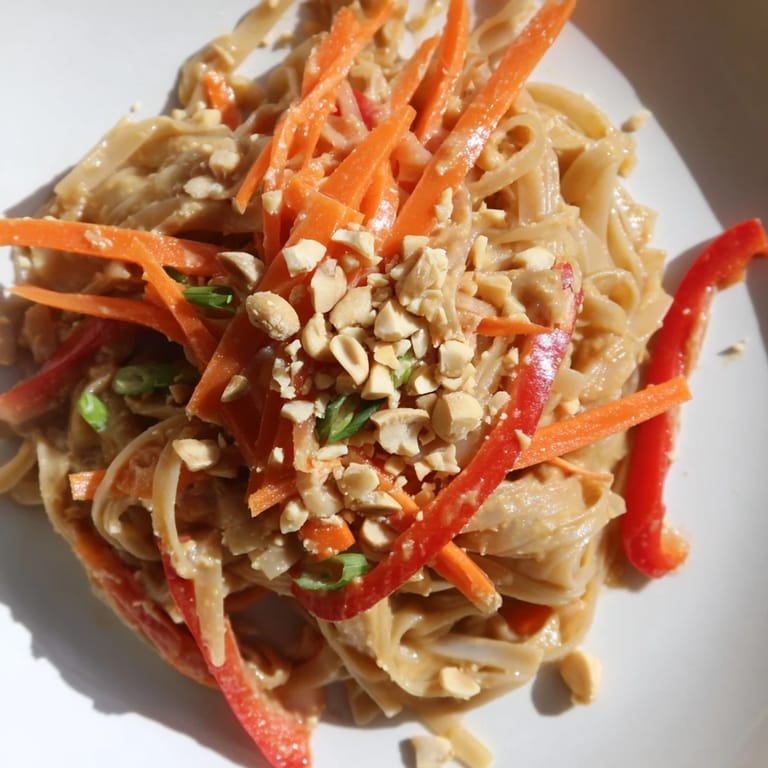
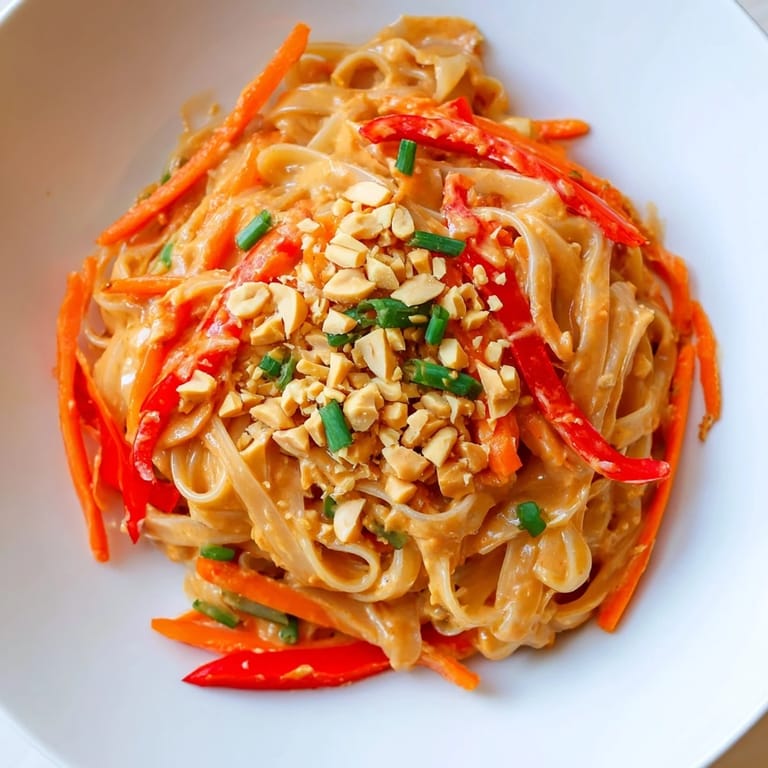
- In a large mixing bowl, add your drained noodles along with the shredded carrots and sliced bell pepper. Pour the peanut sauce over everything and toss with tongs or two forks until every noodle is coated and the sauce clings to the vegetables. This takes longer than you'd expect, maybe a full two minutes of tossing, but it's the difference between good and unforgettable.
- Finish and serve:
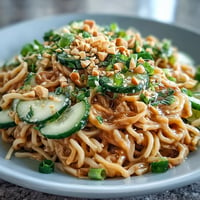
- Divide the noodles among bowls and top each one with sliced scallions, roasted peanuts, fresh cilantro, and a generous squeeze of lime. Serve immediately while the noodles still have warmth and the vegetables stay crisp.
 Save to Pinterest
 I think about how I made this once for someone who said they didn't like peanuts, and they ate the whole bowl anyway, picking out extra peanuts from the bottom. We both pretended it hadn't happened, but sometimes that's how things change—not through big conversations, but through a plate in front of you that tastes too good to question.
Why the Sauce Matters
The magic of this dish lives entirely in the sauce, which is why it's worth taking two extra minutes to get it right. Most people rush through the whisking stage, assuming it'll all come together when the noodles go in, but the sauce deserves its moment alone in a bowl. When you taste it first, you'll understand what the recipe is actually doing—the soy sauce providing saltiness and depth, the vinegar and honey creating brightness and balance, the garlic and ginger adding sharpness and warmth. Only then do you adjust for your own heat preference and move forward. This sauce is so good you could technically eat it with a spoon, though I'm not saying I've done that.
Customizing Without Losing the Soul
The recipe as written is vegetarian, which is wonderful, but it's also an open invitation to add protein in whatever form calls to you. I've made this with pan-seared tofu that gets crispy on the edges, with shredded rotisserie chicken stirred in right before serving, with cold shrimp that stays tender because you're not cooking them further. The sauce stays exactly the same and welcomes everything equally. There's also something to be said for the substitutions—almond butter gives you a slightly different flavor profile that's equally lovely, and if you're cooking for someone with a gluten sensitivity, swapping in tamari is painless.
Storage and Making It Ahead
You can actually make this recipe work for your schedule in multiple ways, and that's part of why it became such a regular dinner in my house.
- Prepare all your vegetables the night before and store them in containers, then the cooking becomes just boiling noodles and mixing sauce.
- Make the sauce completely ahead and refrigerate it; reheat gently with a splash of water to loosen it back up before tossing.
- Store leftover noodles in a sealed container and eat them cold straight from the fridge, though they taste best within a day.
 Save to Pinterest
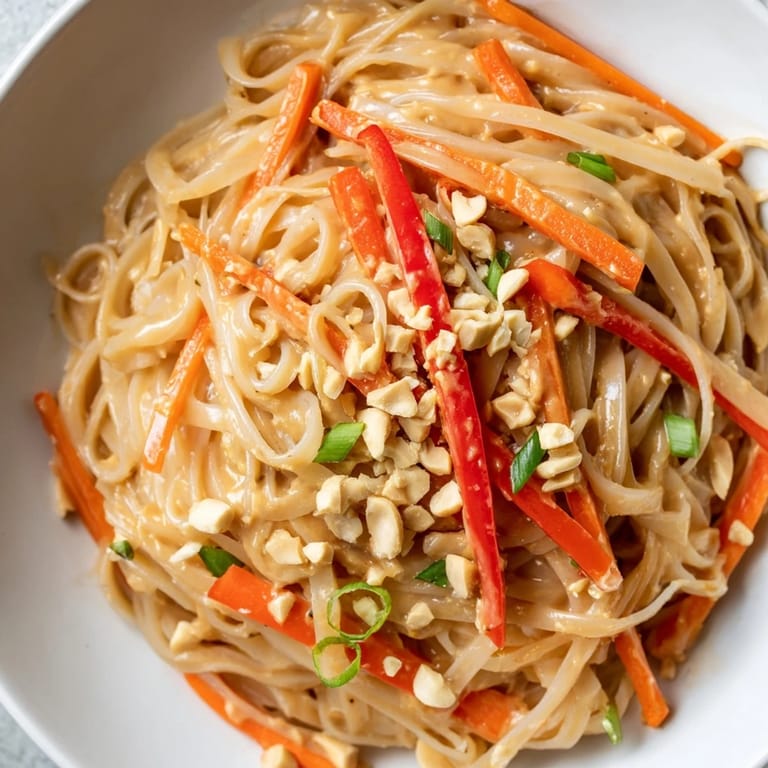
 These noodles are one of those dishes that proves you don't need fancy ingredients or complicated technique to make people genuinely happy. It's become my go-to when I want to cook something that tastes intentional but doesn't require hours or stress.
Common Questions
- → What type of noodles work best?
Dried rice noodles or spaghetti both work well, providing a tender, slightly chewy base.
- → How can I adjust the spice level?
Modify the amount of sriracha or chili garlic sauce according to your preference for mild or fiery heat.
- → Can I substitute peanut butter?
Almond or cashew butter can be used as alternatives, altering the taste slightly but still creamy and rich.
- → Is this suitable for gluten-free diets?
Use tamari instead of soy sauce and ensure gluten-free noodles to make the dish gluten-free.
- → What proteins complement this dish?
Add sautéed tofu, cooked chicken, or shrimp for additional protein and heartiness.
- → How should the noodles be prepared?
Cook noodles as indicated on the package, then drain and rinse under cold water to stop cooking and prevent clumping.