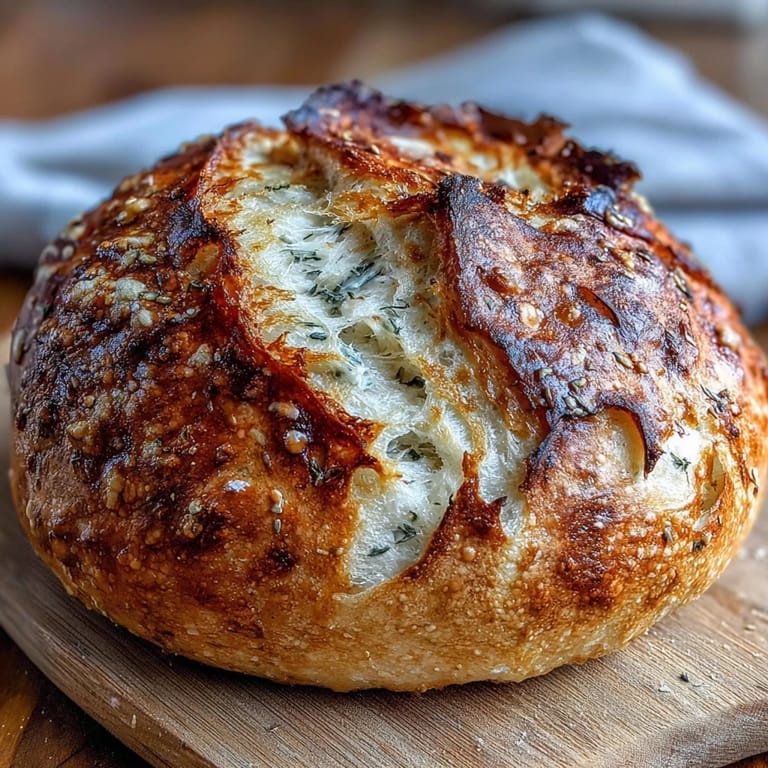
 Save to Pinterest
 Experience the art of authentic Italian pizza making in your own kitchen with this Sourdough Pizza Dough recipe. By using a natural sourdough starter, you can achieve a flavorful, chewy, and crisp crust that perfectly mimics the quality of artisan-style pizzas. This recipe is designed for those who appreciate the slow-fermented depth of flavor and the satisfying crunch of a well-baked dough.
Save to Pinterest While this process takes approximately 8.5 to 12.5 hours from start to finish, the majority of that time is spent allowing the dough to rise and develop its character. The patience required is well-rewarded once the dough hits a high-temperature oven, transforming into a beautiful, golden base for your favorite toppings.
Ingredients
Tired of Takeout? 🥡
Get 10 meals you can make faster than delivery arrives. Seriously.
One email. No spam. Unsubscribe anytime.
- 500 g bread flour (3 ⅓ cups)
- 325 g water, at room temperature (1 ⅓ cups plus 1 tablespoon)
- 100 g active sourdough starter (about ½ cup)
- 12 g fine sea salt (2 teaspoons)
- 15 g olive oil (1 tablespoon, optional for a softer dough)
Instructions
- Step 1
- In a large mixing bowl, combine the bread flour and water. Stir until just combined. Cover and let rest for 30 minutes (autolyse).
- Step 2
- Add the sourdough starter and salt (plus olive oil, if using). Mix by hand or with a stand mixer until a sticky dough forms.
- Step 3
- Knead the dough for 5–7 minutes until smooth and elastic, or use the stretch-and-fold technique every 30 minutes for 2 hours (4 folds total).
- Step 4
- Cover the bowl and let the dough rise at room temperature for 6–8 hours, or until doubled in size and bubbly.
- Step 5
- Turn the dough onto a lightly floured surface. Divide in half for two large pizzas. Shape each piece into a tight ball.
- Step 6
- Place the dough balls on a tray, cover, and let rest for 1–2 hours at room temperature, or cold ferment in the refrigerator for up to 24 hours for deeper flavor.
- Step 7
- When ready to bake, preheat your oven to the highest temperature (ideally 475–500°F / 250–260°C) with a pizza stone or steel inside.
- Step 8
- Stretch each dough ball into a 12-inch (30 cm) round. Add your favorite toppings.
- Step 9
- Transfer to the hot stone or steel and bake for 10–15 minutes, or until the crust is puffed and golden with crisp edges.
Zusatztipps für die Zubereitung
To achieve the best results, use a kitchen scale for precise measurements and a dough scraper to handle the sticky dough. Ensure you use a pizza stone or steel to maximize heat transfer. Please note that this recipe contains wheat (gluten) and may contain traces of other allergens; always check labels if you have sensitivities.
Varianten und Anpassungen
If bread flour is not available, all-purpose flour can be used, though the crust will be slightly softer. You may also include the optional 15 g of olive oil if you prefer a more tender, less chewy dough structure. For an even deeper flavor, extend the cold fermentation in the refrigerator for up to 48 hours.
Serviervorschläge
Once your pizza is baked to perfection, consider pairing it with a light Italian red wine or a crisp lager to complement the sourdough tang. This recipe serves 4–6 people and works as a versatile base for any seasonal toppings.
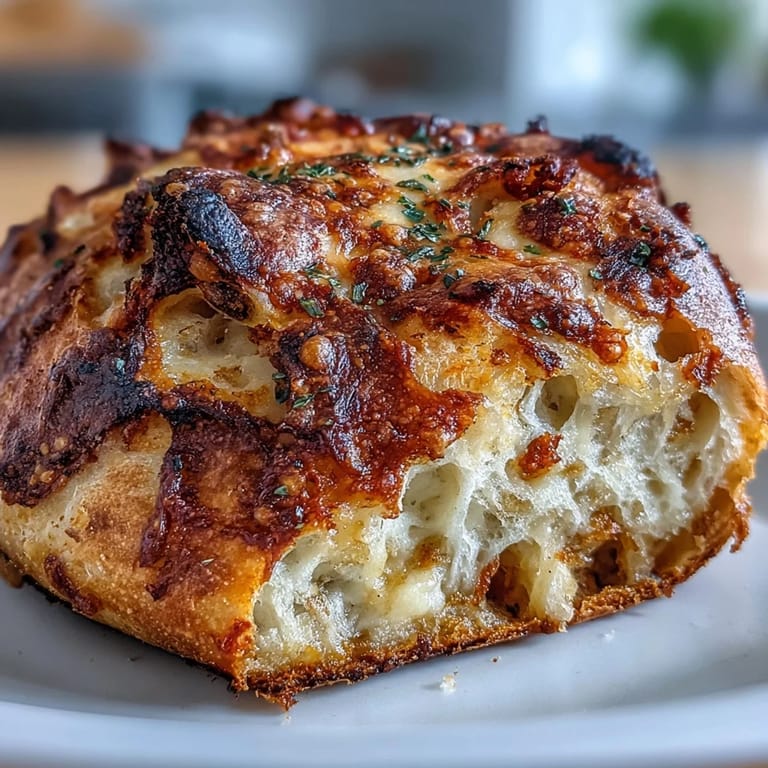 Save to Pinterest
 By following these steps, you will create a pizza that is both nutritious and delicious. Each serving (based on 6 servings, dough only) provides 260 calories, 2 g of total fat, 53 g of carbohydrates, and 8 g of protein. Enjoy your homemade sourdough creation!
Common Questions
- → What is the purpose of autolyse in the dough process?
Autolyse allows the flour to hydrate fully before adding salt and starter, improving dough extensibility and gluten development.
- → How does cold fermentation affect the dough's flavor?
Cold fermenting the dough up to 48 hours enhances complex flavors and improves the crust's texture by slowing fermentation.
- → Can all-purpose flour be used instead of bread flour?
Yes, all-purpose flour can substitute bread flour but may produce a slightly softer, less chewy crust.
- → What baking setup is recommended for best results?
Preheating a pizza stone or steel in a very hot oven (475–500°F) helps achieve a crisp, golden crust.
- → How should dough elasticity be developed?
Kneading for 5–7 minutes or performing stretch-and-folds every 30 minutes during bulk fermentation ensures a smooth, elastic dough.