 Save to Pinterest
 There's something about the smell of garlic and onions hitting hot oil on a cold afternoon that makes everything feel manageable. I discovered this soup on a particularly gray November day when my fridge was stuffed with vegetables that needed rescuing, and I had a box of quinoa I kept meaning to use. What started as an improvisation became something I now make whenever the weather turns and I want something that feels both nourishing and effortless.
I made this for my neighbor once when she mentioned feeling under the weather, and watching her face soften as she tasted it reminded me why I love cooking at all. It wasn't complicated or showy, just honest and warm. She's asked for it three times since.
Ingredients
- Olive oil: Just enough to coat the bottom of your pot and help the onions release their sweetness without burning.
- Onion and garlic: These are your flavor foundation, and getting them soft and fragrant takes only a few minutes of gentle heat.
- Carrots, celery, and parsnip: The holy trio that gives the broth its natural sweetness and earthy depth.
- Sweet potato: This one sneaks in creaminess as it breaks down, thickening the soup naturally.
- Kale or Swiss chard: Leafy greens wilt down to almost nothing but deliver real nutrition and a slight mineral note.
- Cabbage: It mellows completely during cooking and adds a subtle sweetness that ties everything together.
- Diced tomatoes: Whether canned or fresh, these bring brightness and acidity that keeps the soup from tasting flat.
- Quinoa: Rinse it well to remove any bitterness, then let it absorb the broth and soften alongside everything else.
- Vegetable broth: Use low-sodium so you can taste the vegetables themselves, and you won't end up with a soup that's just salty.
- Thyme and oregano: Dried herbs work beautifully here, lending a gentle herbal warmth without overwhelming the vegetables.
- Bay leaf: Adds a subtle depth that's hard to identify but definitely missed if you leave it out.
- Salt, pepper, and fresh parsley: Parsley at the end brightens everything, while lemon juice optional but makes the whole thing sing.
Tired of Takeout? 🥡
Get 10 meals you can make faster than delivery arrives. Seriously.
One email. No spam. Unsubscribe anytime.
Instructions
- Start with heat and aromatics:
- Warm your oil over medium heat, then add the diced onion and minced garlic. Watch them soften for a couple of minutes until they smell incredibly fragrant and look translucent at the edges. This foundation is worth the patience.
- Build with root vegetables:
- Add your carrots, celery, parsnip, and sweet potato. Stir them around in the hot oil for 5 to 6 minutes so they start to caramelize at the edges and begin releasing their natural sugars. You'll notice the whole pot smells warmer.
- Add your greens and tomatoes:
- Stir in the kale, cabbage, and tomatoes. Let them cook together for a minute or two so they release their moisture and start to meld with everything else.
- Bring it all together:
- Add your rinsed quinoa, broth, thyme, oregano, and bay leaf. Stir everything so nothing gets stuck to the bottom. Bring it to a gentle boil, then turn the heat down low.
- Let it simmer:
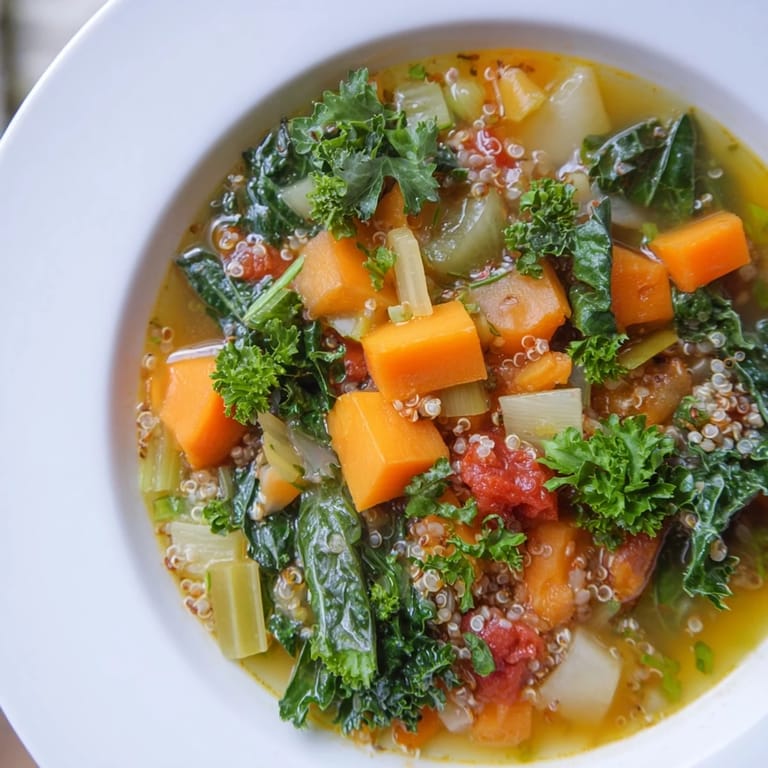
- Cover and let it bubble softly for 25 to 30 minutes until the vegetables are completely tender and the quinoa grains have turned translucent and split open slightly. The soup will smell incredible by now.
- Finish with brightness:
- Fish out the bay leaf, then stir in fresh parsley and a squeeze of lemon juice if you have it. Taste and add more salt and pepper if it needs it. Every pot is a little different, so trust your palate.
 Save to Pinterest
 There's a moment near the end of cooking when the kitchen fills with this warm, enveloping smell and you realize you've made something that's greater than the sum of its parts. That's when I know this soup has done its job.
Why This Soup Works on Cold Days
Winter vegetables are at their sweetest when it's cold, so this soup tastes better in November than it would in July. The long, slow simmer coaxes out flavors that wouldn't emerge if you rushed through cooking. You end up with a broth that tastes like it's been simmering for hours even though it really hasn't, and that's the kind of magic that makes people come back for seconds.
Making It Your Own
The beauty of this soup is that it's forgiving and adaptable. If you have fennel instead of parsnip, use it. If your vegetable drawer has something unexpected, add it and let the broth decide what it becomes. I've made this with chickpeas stirred in at the end for extra protein, and once with a pinch of red pepper flakes that transformed the whole thing into something spicy and alive.
Small Touches That Matter
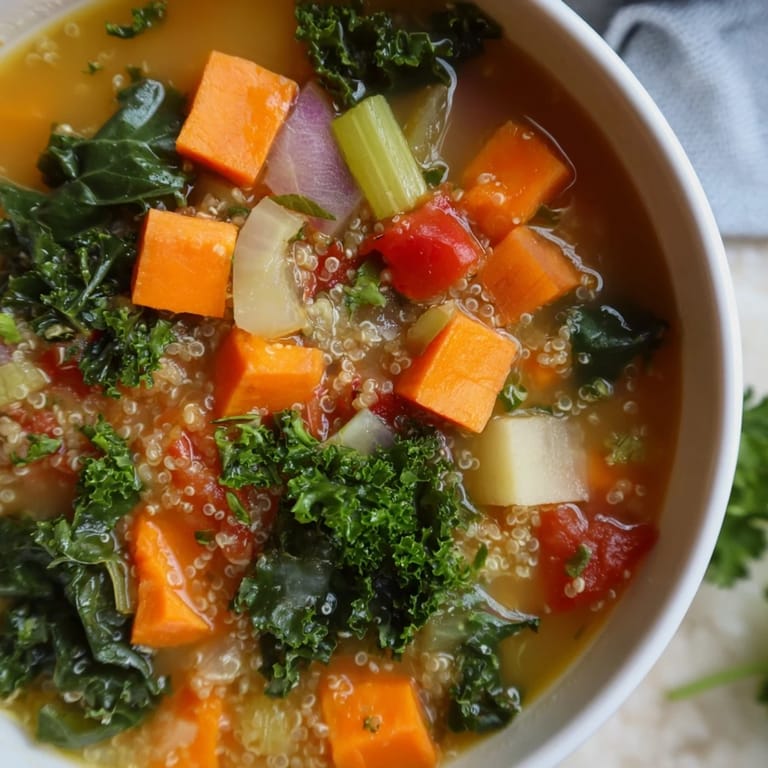
Finishing with fresh parsley isn't just decoration. It breaks up the heaviness of the cooked vegetables and reminds your mouth that green things are happening in this bowl. If you have lemon, squeeze it in without hesitation. The soup won't taste lemony, but it will taste more like itself. Serve it with bread if you want to turn it into something more substantial, or eat it alone and let the quinoa do the work of making you feel full and grounded.
- Add a can of drained chickpeas or white beans if you want more protein than the quinoa alone provides.
- Crusty whole-grain bread is perfect alongside, but even plain crackers work if that's what you have.
- Leftovers taste better the next day after the flavors have had time to become friends with each other.
 Save to Pinterest
 This soup is the kind of thing that fills you up without weighing you down, which is exactly what you need when everything outside feels cold and heavy. Make it once and it becomes something you return to.
Common Questions
- → Can I use other grains instead of quinoa?
Yes, grains like barley or brown rice can be substituted, but cooking times may vary.
- → How do I make the broth more flavorful?
Using a homemade vegetable broth or adding extra herbs and garlic enhances depth and aroma.
- → What are good protein additions for this dish?
Drained chickpeas, white beans, or lentils can boost protein content without altering texture much.
- → Can I prepare this in advance?
This soup holds well refrigerated for several days and flavors often improve after resting.
- → Is there a way to add some heat?
Adding red pepper flakes during the initial sauté step provides a gentle spiciness.