 Save to Pinterest
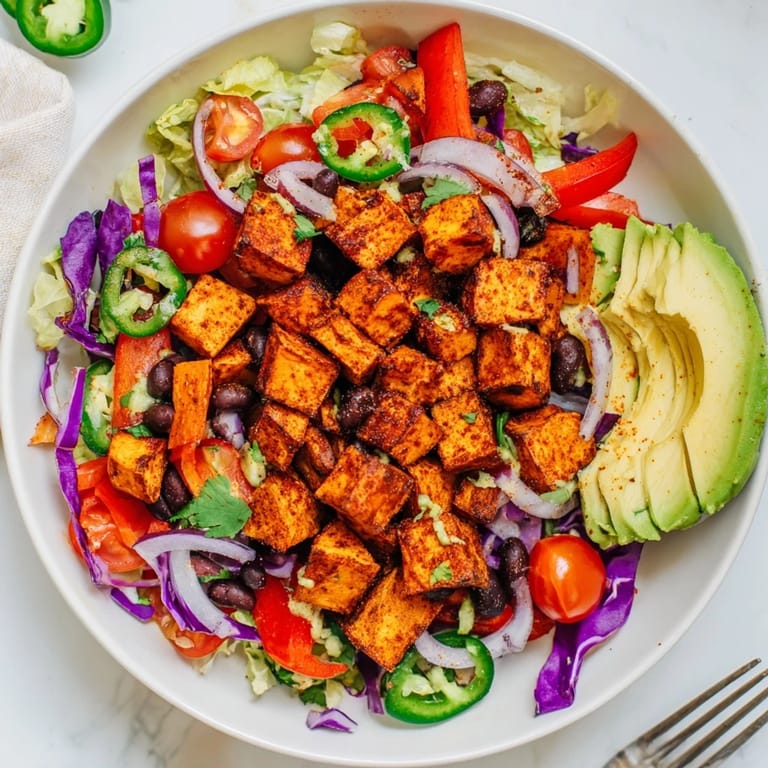
 I discovered these bowls on a Tuesday afternoon when my farmer's market haul was staring me down—three pounds of sweet potatoes, a bell pepper so bright red it seemed to glow, and half a head of red cabbage. I had exactly one hour before friends arrived for lunch, so I threw caution to the wind and started roasting everything I could fit on a sheet pan. What emerged from the oven was this gorgeous, steaming tangle of caramelized vegetables that somehow felt both effortless and impressive. One friend asked for the recipe immediately, and I've been making these bowls ever since—they're the kind of dish that makes people linger at the table.
I remember the first time I made this for my sister, who was deep into a plant-based experiment and convinced I'd never understand what she actually wanted to eat. I served these bowls and watched her take that first bite, her fork loaded with roasted sweet potato and that bright cilantro-lime dressing, and suddenly we were both just talking and eating without anyone mentioning what was or wasn't in it. That's when I knew this recipe had legs.
Ingredients
- Sweet potatoes (2 large, cubed): These are the star—choose ones that feel dense and heavy, with unblemished skin, because they'll caramelize beautifully at high heat and develop that subtle sweetness that makes the whole bowl work.
- Red bell pepper and red onion: The bell pepper adds a tender sweetness while the onion becomes almost honey-like when roasted; together they balance the earthiness of the sweet potatoes.
- Black beans (1 can, drained): Drain and rinse them well to remove excess sodium and starch, which keeps the bowl from tasting heavy.
- Brown rice or quinoa (2 cups cooked): The base that catches all those gorgeous juices—use whichever you have on hand, though quinoa adds a nice nutty texture.
- Cherry tomatoes, avocado, and red cabbage: These stay raw and bring brightness, crunch, and that essential cool contrast to the warm roasted vegetables.
- Cumin, smoked paprika, and chili powder: This trio transforms simple sweet potato into something with real depth; don't skimp or substitute—the smoked paprika especially makes the difference.
- Lime juice and cilantro (for dressing): Fresh lime is non-negotiable here; bottled will make the whole bowl taste flat and tired.
- Jalapeño (optional): Add this if you want a whisper of heat that builds as you eat; it's worth the small effort.
Tired of Takeout? 🥡
Get 10 meals you can make faster than delivery arrives. Seriously.
One email. No spam. Unsubscribe anytime.
Instructions
- Heat your oven and prepare:
- Set the oven to 425°F and line your baking sheet with parchment paper—this is the only tool that will prevent sticking and make cleanup almost pleasant. Trust the temperature; it's hot enough to caramelize without burning.
- Season and roast the sweet potatoes:
- Toss your cubed sweet potatoes with 1 tablespoon of olive oil and all the spices—cumin, smoked paprika, chili powder, garlic powder, salt, and pepper. Spread them in a single layer and roast for 20 minutes; you'll smell when they're starting to caramelize at the edges.
- Add the peppers and onions:
- After 20 minutes, add the diced bell pepper and sliced red onion, drizzle with the remaining olive oil, and roast for another 10 minutes until everything is tender and slightly charred. This staggered timing keeps the sweet potatoes from drying out while allowing the peppers to soften.
- Make the dressing while things roast:
- Whisk together fresh lime juice, olive oil, maple syrup, minced garlic, chopped cilantro, and salt in a small bowl. The maple syrup rounds out the acidity of the lime and adds a subtle sweetness that ties the whole bowl together.
- Warm the beans gently:
- Heat your black beans over low heat in a small saucepan just until warm through; high heat can break them apart and make them mealy. This takes maybe 5 minutes and happens quietly in the background.
- Assemble with intention:
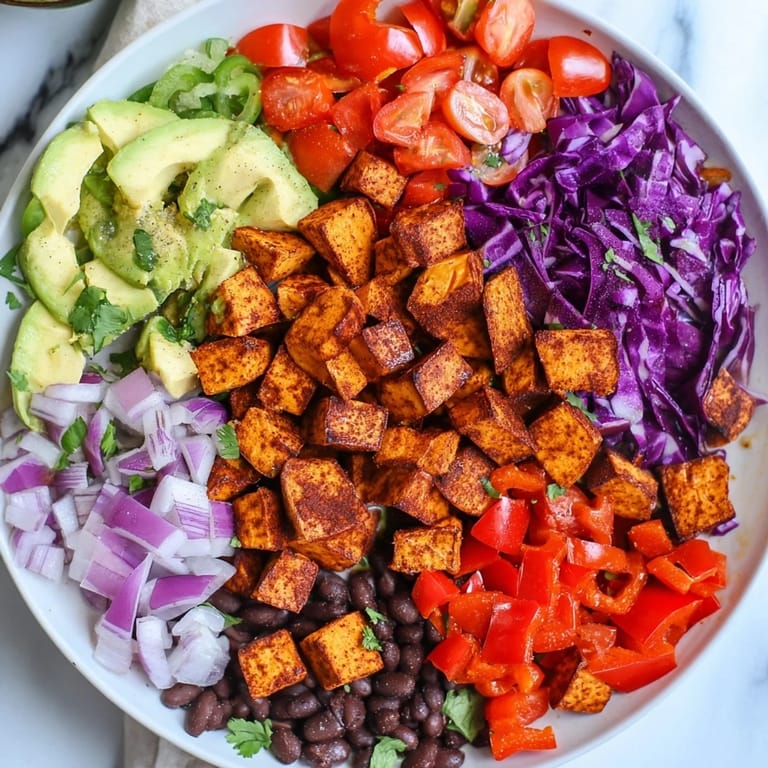
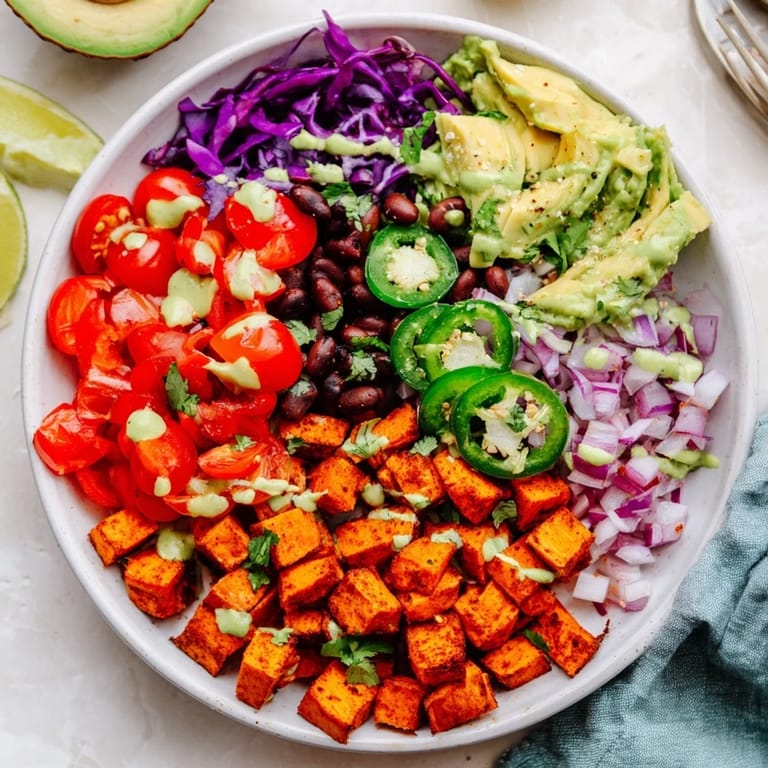
- Start with your base of rice or quinoa, then arrange the roasted vegetables on top like you're building something worth looking at. Add the raw elements—tomatoes, cabbage, avocado—so they stay crisp and fresh, then drizzle everything with that lime dressing.
 Save to Pinterest
 There's a moment I always watch for when I serve these bowls: the instant someone takes that first real bite, when the warm sweet potato hits the cool avocado and cilantro, when they taste how the spiced vegetables play against the bright lime dressing. That's when I know I've made something that matters, something people will want to make at home.
The Secret Behind the Spice Balance
The magic in these bowls isn't one bold flavor—it's how four spices work together in whispers rather than shouts. Smoked paprika brings depth and a whisper of campfire smoke, cumin adds warmth and earthiness, chili powder contributes a subtle, lingering heat, and garlic powder ties it all together. I learned this by making them too aggressive once, dumping in too much of everything, and realizing that restraint and layering are what separate good from great. Start with these amounts and taste as you go; you can always add more spice, but you can't take it out.
Why Raw Elements Matter
I used to roast everything, thinking that warmth equals flavor and completion. Then I learned that the crunch of raw cabbage, the creamy richness of avocado, and the brightness of fresh cherry tomatoes aren't just toppings—they're the counterpoint that makes the whole bowl sing. The temperature contrast and textural variety prevent the dish from feeling one-note or heavy, and they're what make you want to keep eating even when you're full. This is also where you can adjust the bowl to your mood or what you have on hand without changing the soul of the dish.
Build Your Own Variations
Once you understand how these bowls work, they become a framework for what's in your kitchen rather than a rigid formula. I've made them with roasted cauliflower, swapped in pinto beans when that's what I had, and even used leftover roasted broccoli when I was desperate. The dressing and spice blend stay constant because that's what makes them recognizable, but everything else is negotiable.
- For crunch, toast some pepitas or add tortilla strips right before serving so they don't get soggy.
- Swap beans freely—pinto, kidney, or chickpeas all work beautifully and bring their own subtle flavor notes.
- If you want grain-free, cauliflower rice is your answer, though it needs a bit less dressing since it doesn't absorb liquid the way grains do.
 Save to Pinterest
 These bowls have become my go-to when I want to feed people something that feels nourishing without feeling like a sacrifice. They're the kind of meal that works for weeknight dinner, meal prep, or when you want to impress someone without spending hours in the kitchen.
Common Questions
- → What is the best way to roast sweet potatoes for this dish?
Peel and cube the sweet potatoes, toss with olive oil and spices, then roast at 425°F for 20 minutes before adding other vegetables to the sheet.
- → Can I use a different grain instead of brown rice or quinoa?
Yes, cauliflower rice works well for a grain-free option without compromising flavor or texture.
- → How do I prepare the lime dressing?
Whisk together fresh lime juice, olive oil, maple syrup, minced garlic, chopped cilantro, and salt until well combined.
- → Are there any recommended toppings to add crunch?
Toasted pepitas or tortilla strips provide a satisfying crunch and enhance the overall texture of the bowl.
- → Is this dish suitable for gluten-free and vegan diets?
Yes, all ingredients are naturally gluten-free and vegan, making it accessible for various dietary needs.