 Save to Pinterest
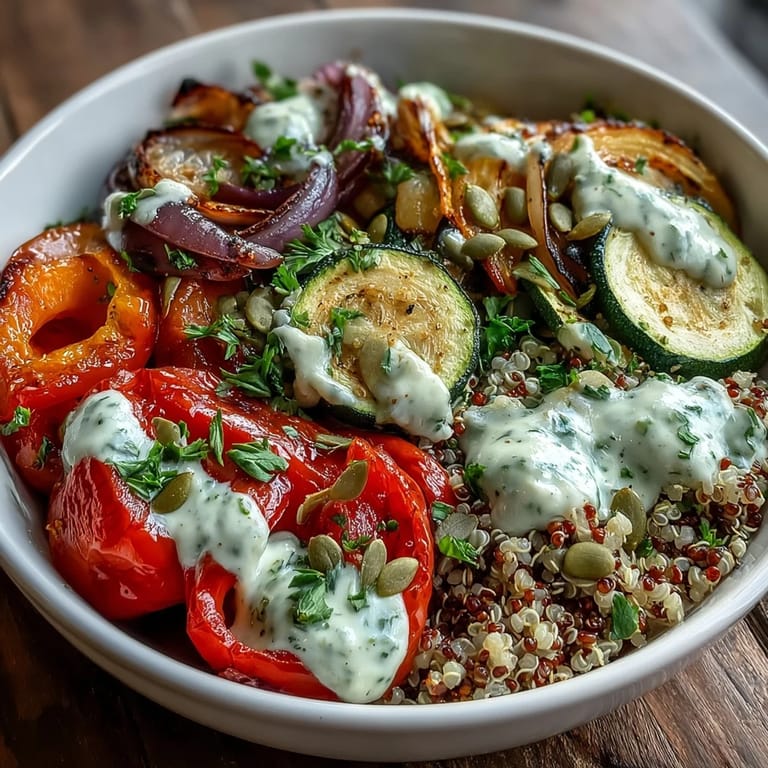
 I discovered this bowl on a Tuesday afternoon when my farmer's market haul was sitting on the counter looking almost too beautiful to cook. The colors alone—that deep red pepper, the vibrant green zucchini, the orange carrot—felt like they were begging to be roasted together. Something about the way they caramelize in the oven, turning slightly golden at the edges while releasing their sweetness, made me realize I'd found my go-to weeknight dinner that doesn't feel like settling.
I brought this to a potluck once thinking it would fade into the background next to all the heavier dishes, but instead I watched my friend Sarah go back for thirds while telling everyone it was the reason she finally understood why people get excited about vegetables. That moment stuck with me because it wasn't about impressing anyone—it was just honest, vibrant food that made people feel good.
Ingredients
- Red bell pepper (1 medium, diced): The natural sweetness intensifies when roasted; buy one that feels heavy for its size, which means it's juicy inside.
- Zucchini (1 medium, sliced): Slice it on the thicker side so it doesn't turn to mush—about a quarter-inch thick is the sweet spot.
- Red onion (1 small, cut into wedges): The slight bitterness mellows beautifully with heat and pairs perfectly with the other vegetables.
- Cherry tomatoes (1 cup, halved): These burst in the oven and create little pockets of concentrated flavor throughout the bowl.
- Carrot (1 medium, sliced): Slice on a diagonal for faster cooking and because it looks more intentional on the plate.
- Olive oil (2 tablespoons): Don't skimp here—it's what creates those caramelized edges that make everything taste restaurant-quality.
- Dried oregano (1 teaspoon): The Mediterranean backbone; if you have fresh oregano, use triple the amount and add it in the last 5 minutes of roasting.
- Smoked paprika (1 teaspoon): This is the ingredient that made me stop thinking of this as basic vegetable roasting and start thinking of it as special.
- Salt and black pepper: Taste as you build the bowl; the tahini sauce adds its own seasoning so go lighter than you think at first.
- Quinoa (1 cup, rinsed): Rinsing removes the bitter coating and makes a real difference in how it tastes.
- Water (2 cups for quinoa): Use a 2-to-1 ratio; too much water makes it mushy, too little leaves it crunchy.
- Tahini (¼ cup): The best tahini is smooth and pourable, not the kind where the oil has completely separated—give it a good stir before measuring.
- Lemon juice (2 tablespoons): Fresh lemon only; bottled tastes sharp and one-dimensional in comparison.
- Maple syrup or honey (1 tablespoon): This tiny amount of sweetness balances the earthiness of the tahini in a way that feels almost invisible until it's missing.
- Garlic clove (1, minced): Raw garlic stays bright and punchy; mince it fine so it distributes evenly through the sauce.
- Water for sauce (3–4 tablespoons): Add gradually until the sauce reaches a drizzle-able consistency; it should coat the back of a spoon.
- Fresh parsley (2 tablespoons, chopped): Adds a final freshness that feels important when everything else is warm and cooked.
- Toasted pumpkin seeds (2 tablespoons): They provide a textural contrast and a nutty richness that makes the whole bowl feel complete.
Tired of Takeout? 🥡
Get 10 meals you can make faster than delivery arrives. Seriously.
One email. No spam. Unsubscribe anytime.
Instructions
- Heat the oven and prep your workspace:
- Set the oven to 425°F and line a baking sheet with parchment paper so cleanup becomes effortless. Getting this done first means you can move quickly once the vegetables hit the pan.
- Arrange and season the vegetables:
- Toss all your cut vegetables together with olive oil, oregano, smoked paprika, salt, and pepper until every piece glistens with seasoning. Spread them in a single layer so they roast rather than steam—crowding the pan is the quickest way to end up with soggy results.
- Roast until golden:
- After about 15 minutes, give the pan a stir so the vegetables brown evenly on all sides. You'll know it's ready when the edges turn caramel-brown and the vegetables are fork-tender, usually around 25–30 minutes total.
- Cook the quinoa alongside everything:
- While vegetables roast, bring quinoa, water, and salt to a boil in a saucepan, then lower the heat, cover, and let it simmer gently for 15 minutes. The quiet bubbling sound means it's doing exactly what it should; don't peek too often.
- Let the quinoa rest:
- Turn off the heat and leave it covered for 5 minutes—this final steaming perfects the texture and makes it fluffier than if you fluff it immediately. When you do fluff with a fork, each grain should be separate and light.
- Blend the tahini sauce:
- Whisk tahini, lemon juice, maple syrup, garlic, and salt together, then add water one tablespoon at a time until you reach a pourable consistency. The sauce should flow slowly off a spoon—thicker than vinaigrette but thinner than yogurt.
- Build your bowls:
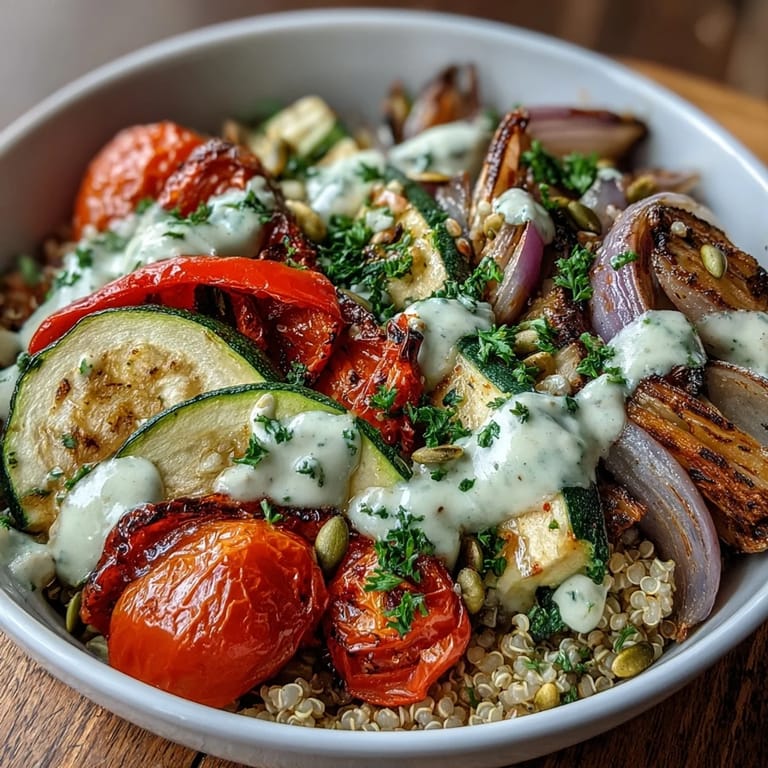
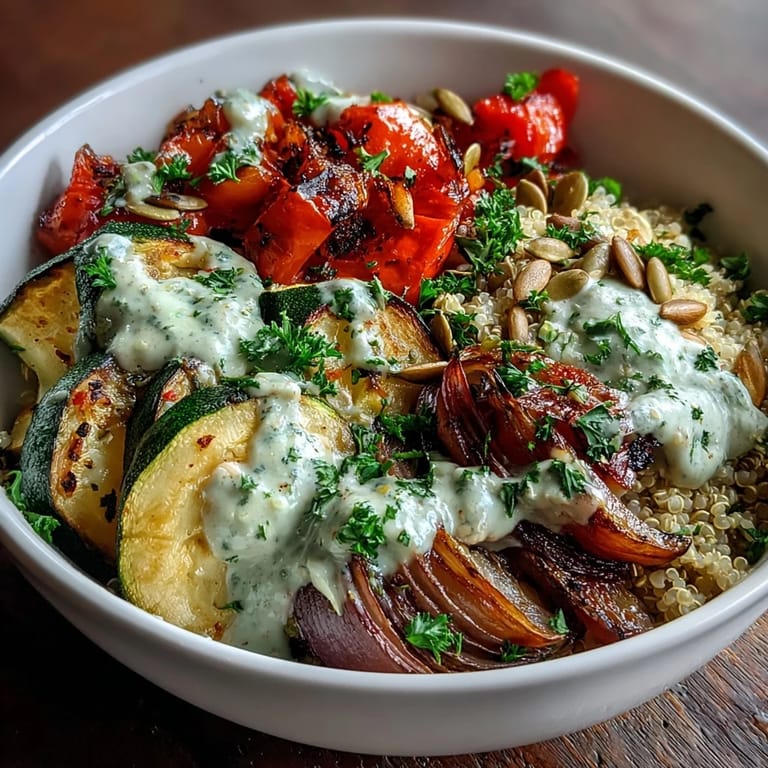
- Divide the fluffy quinoa among four bowls, arrange the roasted vegetables on top, then drizzle generously with tahini sauce. The warmth of everything melts the sauce slightly, making it coat everything beautifully.
- Finish with flourish:
- Scatter fresh parsley and toasted pumpkin seeds across the top just before serving; they add brightness and crunch that make the final bite just as good as the first.
 Save to Pinterest
 There's something quietly powerful about sitting down to a bowl this colorful and feeling like you made something that nourishes rather than just fills you up. My sister called it my "I have my life together" meal, which made me laugh, but also made me make it more often.
Seasonal Variations That Keep Things Interesting
Summer calls for grilled corn, roasted baby zucchini, and heirloom tomatoes if you can find them, which transforms this into something that tastes like farmers market abundance. In autumn, I swap in cubed butternut squash and roasted Brussels sprouts with a drizzle of balsamic before the oil, which adds a deeper sweetness. Winter is when I add cubed beets and roasted purple cabbage, which sounds odd until you taste how the earthiness plays against the brightness of the tahini sauce.
How to Make This a Complete Protein Meal
The bowl is naturally vegan and gluten-free, but if you want it to feel more substantial, fold in a can of chickpeas that you've tossed with a pinch of smoked paprika and roasted alongside the vegetables, or use grilled tofu that's been marinated in lemon, garlic, and olive oil. Either addition turns this from a side-dish-feeling meal into something that keeps you full through the afternoon. I've also crumbled feta over the top for non-vegan versions, though the tahini sauce honestly doesn't need it.
Storage, Reheating, and Why This Gets Better Overnight
This bowl is one of those rare dishes that improves after a day in the fridge because the flavors have time to mingle and deepen. Store the components separately—quinoa and roasted vegetables in one container, tahini sauce in another—and assemble when you're ready to eat. The sauce keeps for three days and actually becomes smoother and more cohesive as it sits, so making extra ahead is genuinely smart planning.
- To reheat, warm the vegetables and quinoa gently in a low oven for about 10 minutes so they don't dry out.
- If the tahini sauce thickens in the fridge, whisk in a tablespoon of water to restore its drizzle-able consistency.
- The pumpkin seeds and parsley are best added fresh right before eating so they stay crispy and bright.
 Save to Pinterest
 This bowl has become my answer to the question "What's for dinner?" on nights when I want something that tastes thoughtful but doesn't require overthinking. It's proof that simple ingredients roasted together with intention can feel like the most generous thing you can make for yourself.
Common Questions
- → Can I use different vegetables?
Absolutely. Swap in seasonal favorites like sweet potato, broccoli, eggplant, or Brussels sprouts. Just adjust roasting times accordingly—denser vegetables may need a few extra minutes.
- → How long does this keep in the refrigerator?
Store components separately in airtight containers for up to 5 days. Keep the tahini sauce in its own jar and give it a good stir before serving, as it may thicken in the fridge.
- → What can I substitute for tahini?
If you have a sesame allergy, try creamy almond butter or cashew butter instead. The flavor profile will shift slightly but you'll still get that rich, creamy element.
- → Is this suitable for meal prep?
Perfect for meal prep. Roast a large batch of vegetables, cook quinoa in bulk, and whip up the sauce. Portion into containers for easy grab-and-go lunches throughout the week.
- → Can I make this oil-free?
You can reduce or eliminate the olive oil by roasting vegetables with a splash of water or vegetable broth. For the tahini sauce, add extra water and lemon juice to reach your desired consistency without additional oil.