 Save to Pinterest
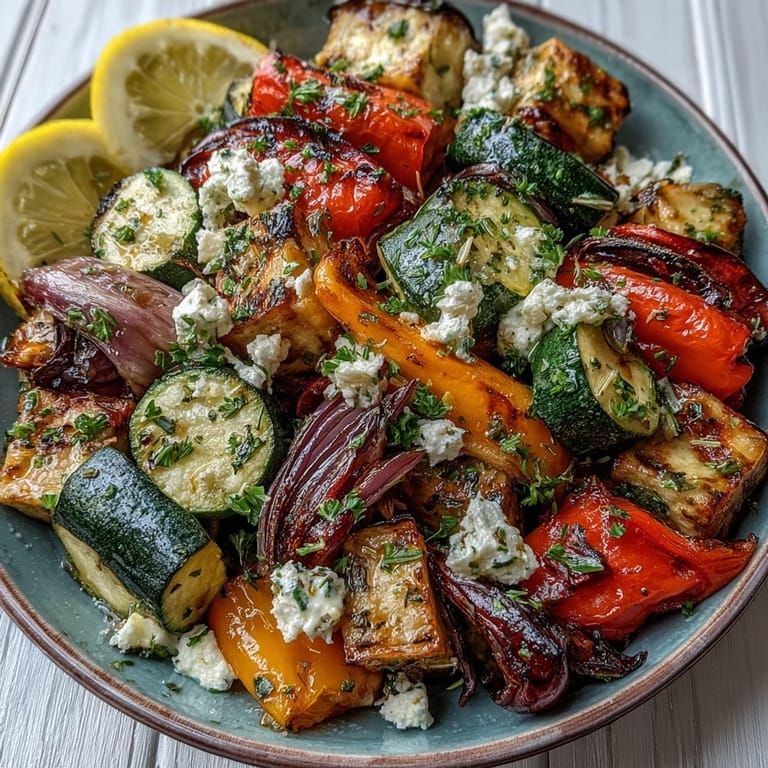
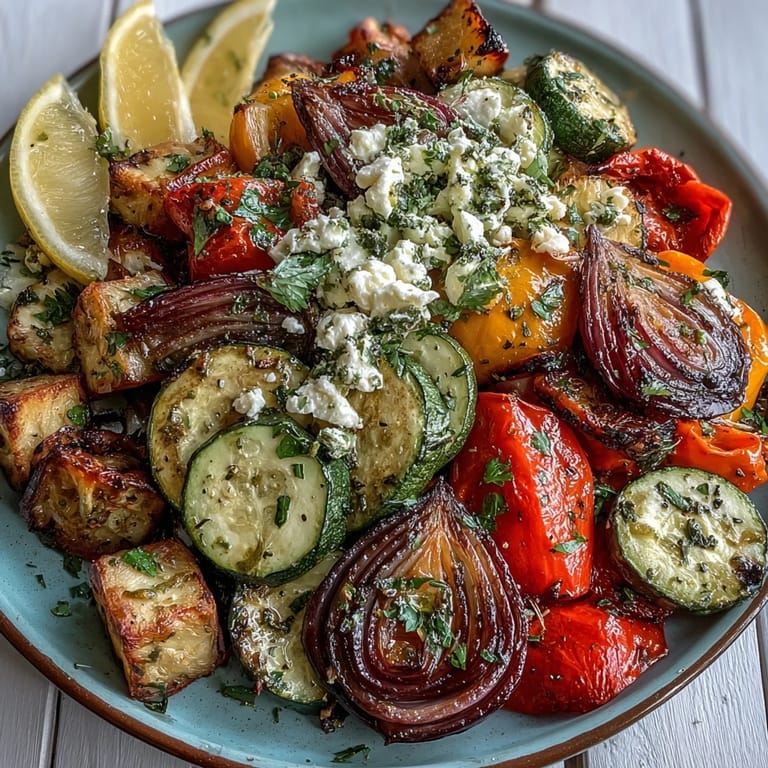
 The smell hit me before I even opened the oven: that warm, sweet char of peppers mingling with oregano and garlic. I was testing this recipe on a Tuesday night, alone in my kitchen, convinced I'd just eat half and save the rest. I ate everything, standing at the counter, straight from the pan. The eggplant had gone soft and golden, the tomatoes had burst into jammy little pockets, and the lemon juice I'd squeezed over the top pulled it all together in a way that felt almost unfair. That's when I knew this wasn't just a side dish.
I made this for a small dinner party once, and my friend who claims she hates eggplant went back for seconds. She didn't realize what she was eating until I told her, and by then she'd already decided it was delicious. We laughed about it, but honestly, that's the magic of roasting: it transforms texture and bitterness into something sweet and tender. I've served this dish to skeptics more than once, and it wins them over every time.
Ingredients
- Eggplant: Cut it into even cubes so it roasts uniformly, and don't worry about salting it beforehand unless it's very large and bitter.
- Zucchini: Slice them into half inch rounds to prevent them from turning mushy, and try to keep the sizes consistent across both.
- Red and yellow bell peppers: The sweetness intensifies as they roast, and using both colors makes the dish look vibrant and alive on the plate.
- Red onion: Cut into wedges with the root end intact so they hold together during roasting and develop crispy, caramelized edges.
- Cherry tomatoes: Add them later in the process so they burst and release their juices without turning to mush.
- Garlic: Mince it finely and add it halfway through roasting to avoid burning, which would make it bitter and harsh.
- Extra virgin olive oil: Use a good quality oil here since it's both a cooking fat and a flavor carrier, coating every vegetable with richness.
- Dried oregano, thyme, and rosemary: Crush the rosemary between your fingers to release its oils, and don't skip the oregano, it's what makes this taste unmistakably Greek.
- Salt and black pepper: Season generously before roasting, the vegetables need it to bring out their natural sweetness.
- Lemon juice: Squeeze it over the hot vegetables right when they come out of the oven for a bright, acidic finish that cuts through the richness.
- Kalamata olives: Optional but highly recommended, they add a briny punch that balances the sweetness of the roasted vegetables.
- Feta cheese: Crumble it over the top just before serving so it softens slightly from the heat without melting completely.
- Fresh parsley: Chop it roughly and scatter it at the end for a pop of color and a fresh, herbal note.
Tired of Takeout? 🥡
Get 10 meals you can make faster than delivery arrives. Seriously.
One email. No spam. Unsubscribe anytime.
Instructions
- Preheat and Prep:
- Set your oven to 200 degrees Celsius and position the rack in the middle so the heat circulates evenly. This ensures the vegetables roast rather than steam.
- Toss the Vegetables:
- In a large bowl, combine the eggplant, zucchini, bell peppers, and onion with the olive oil, oregano, thyme, rosemary, salt, and pepper. Use your hands to toss everything together, making sure each piece is lightly coated.
- Arrange on the Baking Sheet:
- Spread the vegetables in a single layer on a large rimmed baking sheet, leaving a bit of space between pieces. Crowding them will trap moisture and prevent that golden, caramelized edge.
- First Roast:
- Roast for 20 minutes, then pull the pan out and gently stir or flip the vegetables with a spatula. This helps them brown evenly on all sides.
- Add Tomatoes and Garlic:
- Toss in the cherry tomatoes and minced garlic, mixing them with the other vegetables. Return the pan to the oven and roast for another 10 to 12 minutes until everything is tender and lightly caramelized.
- Finish with Lemon and Olives:
- Remove the pan from the oven and immediately drizzle the lemon juice over the hot vegetables. If using, add the Kalamata olives and toss gently to combine.
- Garnish and Serve:
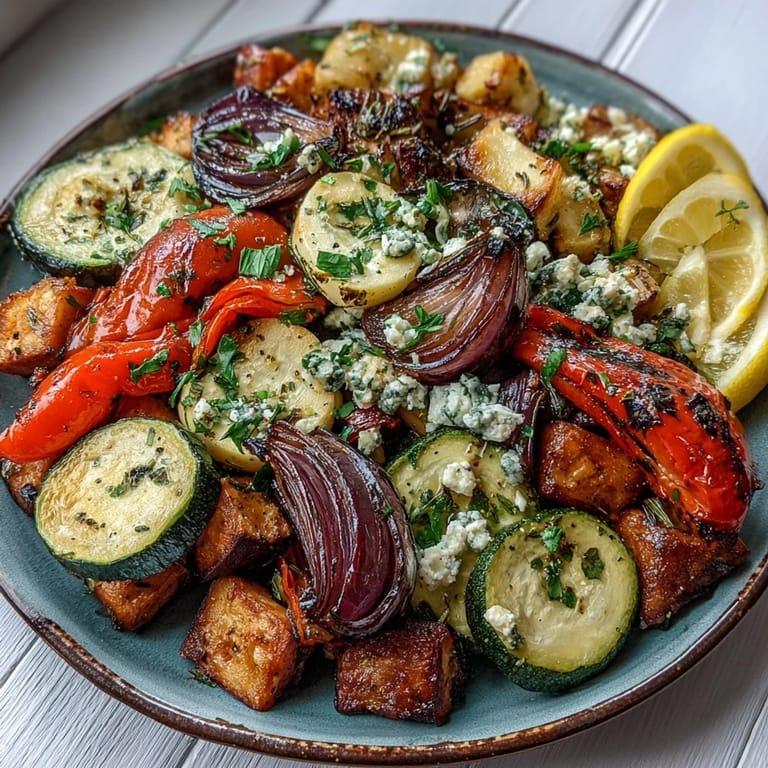
- Transfer to a serving platter and sprinkle with crumbled feta and chopped parsley. Serve warm or at room temperature, both ways are equally delicious.
 Save to Pinterest
 I once brought this to a potluck, and it sat next to a tray of fancy appetizers that no one touched. By the end of the night, my pan was scraped clean, and three people asked for the recipe. It reminded me that simple food, done well, doesn't need to be complicated to be memorable. Sometimes roasted vegetables with good olive oil and a handful of herbs are all you need to make people happy.
Storing and Reheating
Leftovers keep beautifully in an airtight container in the fridge for up to four days, and honestly, they taste even better the next day once the flavors have had time to settle. I usually eat them cold, straight from the container, or gently reheat them in a skillet over medium heat with a splash of olive oil. You can also warm them in the oven at 180 degrees Celsius for about 10 minutes, though I find they lose a bit of their texture that way. If you're planning to serve them later, undercook them slightly so they don't turn mushy when reheated.
Serving Suggestions
I love serving these vegetables over a bowl of couscous or quinoa, letting the roasted juices soak into the grains. They're also incredible tucked into warm pita bread with a smear of hummus, or piled onto a plate next to grilled chicken or fish. Sometimes I'll toss them with pasta and a bit of the pasta water to create a light, summery sauce. If you're serving them as a side, they pair beautifully with lamb, roasted salmon, or even a simple Greek salad.
Making It Your Own
This recipe is forgiving and adaptable, so don't be afraid to swap in whatever vegetables you have on hand. I've used sweet potatoes, fennel, and even cauliflower with great results, just adjust the roasting time based on the density of the vegetable. For a smoky twist, char the eggplant and peppers on a grill before roasting, it adds an extra layer of flavor that's hard to resist. If you want to make it vegan, skip the feta and add toasted pine nuts or a sprinkle of nutritional yeast for a savory, umami kick.
- Try adding a pinch of red pepper flakes for a subtle heat that complements the sweetness of the roasted vegetables.
- If you have fresh herbs like basil or mint, tear them over the top just before serving for a bright, aromatic finish.
- Don't skip the lemon juice, it's what brings all the flavors together and keeps the dish from feeling too heavy.
 Save to Pinterest
 This dish has become one of my go to recipes when I want something colorful, nourishing, and easy to pull together. I hope it finds a place in your kitchen the way it has in mine.
Common Questions
- → Can I prepare the vegetables ahead of time?
Yes, you can chop all the vegetables and mix them with the seasonings the night before. Store in an airtight container in the refrigerator, then spread on the baking sheet when ready to roast.
- → How do I make this dish vegan?
Simply omit the feta cheese and add toasted pine nuts or cashews for extra protein and texture. The dish remains flavorful and satisfying without dairy.
- → What can I serve with roasted Mediterranean vegetables?
These vegetables pair beautifully with grilled chicken, lamb, fish, or warm pita bread. They also work well over couscous, quinoa, or alongside hummus and tzatziki.
- → Can I add other vegetables to this dish?
Absolutely! Mushrooms, cauliflower, artichoke hearts, or fennel would all complement the Mediterranean flavors. Just ensure vegetables are cut to similar sizes for even roasting.
- → How should I store leftovers?
Store cooled vegetables in an airtight container in the refrigerator for up to 4 days. The flavors actually improve as they marinate. Enjoy cold, at room temperature, or gently reheated.
- → Why do the tomatoes go in later?
Cherry tomatoes release moisture and cook faster than heartier vegetables like eggplant and peppers. Adding them midway through prevents them from becoming too soft or watery.