 Save to Pinterest
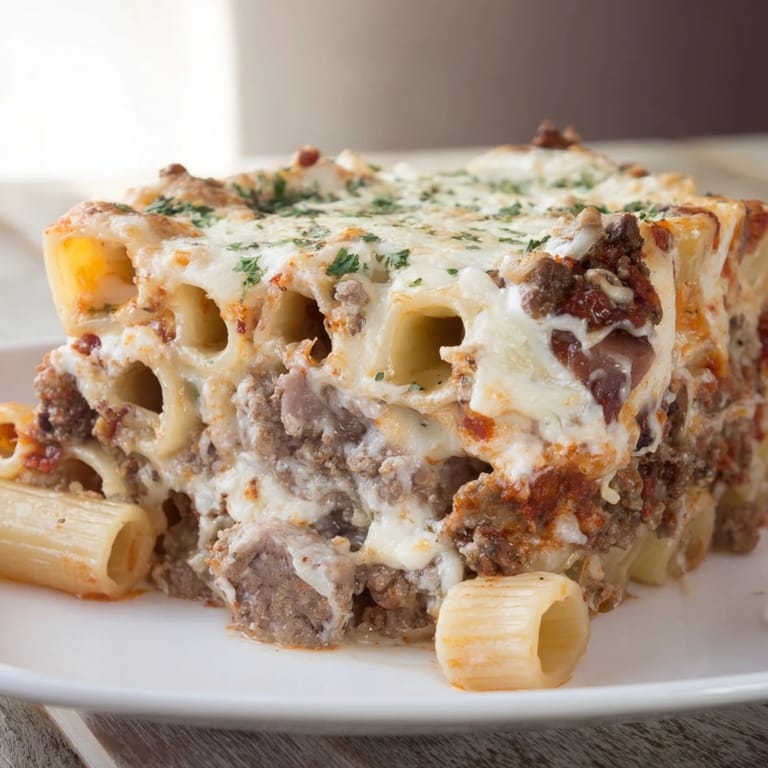
 There's something about layered casseroles that makes me feel like I'm cooking with purpose. My neighbor mentioned in passing that she'd been making this Moist Maker Pasta Casserole with holiday turkey, and I was intrigued by the idea of intentionally placing gravy in the middle—not just mixing it in haphazardly like I usually do. I decided to try it one weeknight when I had leftover turkey sitting in the fridge, and the moment I pulled it from the oven, golden and bubbling, I understood why she'd raved about it. That savory steam rising up? It meant the gravy had actually done its job, soaking through like it was supposed to. This became my new go-to for turning scraps into something that tastes like you've been cooking all day.
I made this for my sister's family on a random Sunday in February, and her kids actually asked for seconds without being prompted. My nephew, who usually picks at casseroles, ate almost a full plate. That's when I realized this wasn't just comfort food—it was the kind of dish that brings people together without any fussing. The fact that it looks elegant when you plate it but tastes like home-cooked ease seemed to hit exactly right.
Ingredients
- Penne or rigatoni (400 g / 14 oz): These short, sturdy shapes hold the sauce beautifully and don't get lost in the layers—stay just shy of al dente so they don't turn mushy during baking.
- Turkey or chicken gravy (300 ml / 1¼ cups): This is your moisture insurance, whether homemade or store-bought; it creates that signature tender center.
- Unsalted butter (2 tbsp): Melted into the milk sauce for richness that keeps everything creamy.
- Cooked turkey breast (400 g / 14 oz): Shredded or chopped, this is your main protein—leftover holiday turkey is ideal, but roasted chicken works just as well.
- Mozzarella cheese, shredded (200 g / 7 oz): The melty base that holds the casserole together.
- Sharp cheddar cheese, shredded (100 g / 3.5 oz): Adds a little bite and depth that keeps the dish from tasting one-note.
- Parmesan cheese, grated (30 g / ¼ cup): Scattered on top for a nutty, slightly crispy finish.
- Medium onion, finely chopped: Softens into sweetness and builds the flavor foundation.
- Garlic, minced (2 cloves): Just enough to make your kitchen smell incredible without overpowering.
- Olive oil (1 tbsp): For sautéing the aromatics until they're golden.
- Frozen peas (120 g / 1 cup): Optional, but they add a little color and slight sweetness if you want them.
- Dried thyme (1 tsp): Ties the whole thing to turkey territory.
- Black pepper and salt (½ tsp each): Adjust by taste—remember the gravy and cheese are already seasoned.
- Whole milk (250 ml / 1 cup): Creates a silky sauce when whisked with flour.
- All-purpose flour (2 tbsp): Your thickening agent for the sauce.
Tired of Takeout? 🥡
Get 10 meals you can make faster than delivery arrives. Seriously.
One email. No spam. Unsubscribe anytime.
Instructions
- Get your oven ready:
- Preheat to 190°C (375°F) and grease a 9x13-inch baking dish—I use a light hand with butter so cleanup isn't a nightmare later.
- Cook the pasta:
- Drop it into salted boiling water and pull it out when it still has a tiny bit of resistance; it'll soften more as it bakes. Drain and set aside.
- Build the flavor base:
- Heat olive oil in a skillet over medium heat, add your chopped onion, and let it turn soft and translucent, about 5 minutes. Stir in the garlic, thyme, salt, and pepper for just 1 minute—enough time for the garlic to wake up without browning.
- Make the sauce:
- Sprinkle flour over the onions and stir constantly for about 1 minute to cook out the raw taste. Gradually pour in the milk while whisking to avoid lumps, then keep stirring until it thickens to something like gravy, about 2–3 minutes. Stir in butter until it melts and disappears.
- Mix everything together:
- In a large bowl, combine your cooked pasta, the onion sauce you just made, shredded turkey, peas if you're using them, and half of each cheese—mozzarella, cheddar, and Parmesan. Fold gently so nothing breaks apart.
- Layer it smartly:
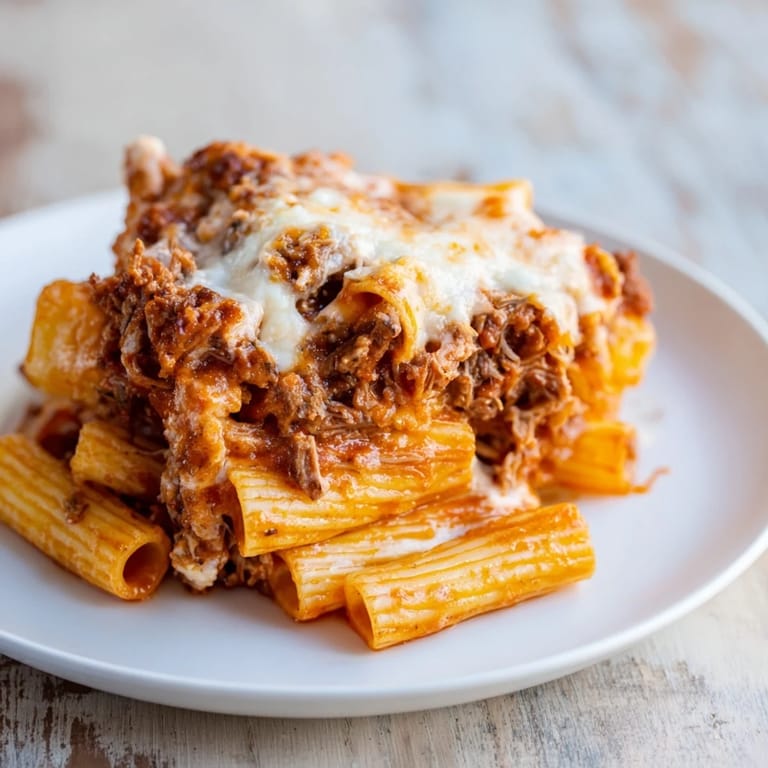
- Spread half of the pasta mixture into your prepared dish, then pour or spoon the gravy evenly over that middle layer so it can soak in properly—this is the whole point of the Moist Maker effect.
- Add the top layer:
- Pile the remaining pasta mixture on top and sprinkle the reserved cheese blend across the whole surface for a golden crust.
- Bake:
- Put it in uncovered for 30–35 minutes until the top is golden and the edges are bubbling. If the top browns too fast, you can tent it loosely with foil.
- Rest before serving:
- Let it sit for 10 minutes so it sets just enough to slice cleanly without falling apart on the plate.
 Save to Pinterest
 I'll never forget my friend Sarah's face when she took that first bite and the fork actually sank through to the gravy layer below. She looked at me and said, 'How is this so moist?' and I realized in that moment that sometimes the smallest techniques—like thinking about where the sauce goes instead of just stirring everything together—change everything. That's when food stops being an instruction and becomes something you actually care about making again.
Why This Works as Holiday Leftovers
After Thanksgiving or Christmas dinner, you're sitting there with leftover turkey, and casseroles are the natural answer, but too often they come out dry because people just mix everything together and hope. This method respects your leftovers by intentionally building moisture into the structure. The gravy isn't just added—it's placed, soaked, allowed to hydrate the pasta from the inside. It's the difference between using scraps and creating something that people remember.
Cheese Strategy and Substitutions
I've experimented with skipping the Parmesan on top and using more mozzarella, but the sharpness of Parm really finishes it. The three-cheese blend is specific but not complicated—mozzarella stretches, cheddar adds flavor, and Parmesan browns. If you're out of cheddar, use more mozzarella; if you skip the Parmesan, you'll miss that nutty top layer. The milk sauce with butter is what carries everything, though, so don't try to skip that part thinking you'll compensate.
The Gravy Layer Secret and Timing
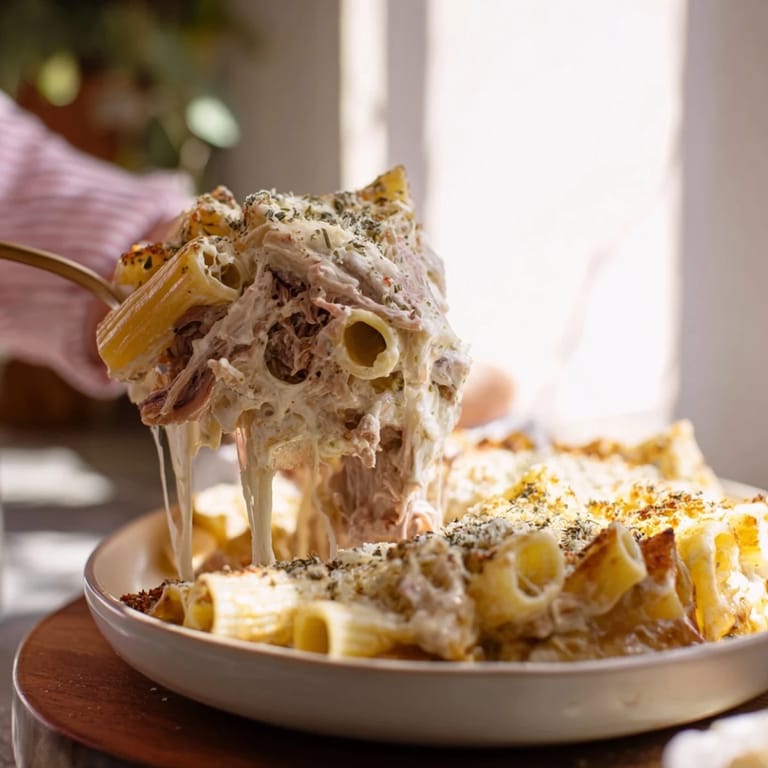
This is genuinely the heart of the entire dish and worth understanding. When you spread that gravy over the middle pasta layer, you're creating an intentional pocket of moisture that will slowly distribute upward and downward as everything heats. Some people pour it, some spoon it—I find spooning gives you more control so it doesn't all pool in one corner. The 10-minute rest at the end is crucial; it lets that gravy set into the pasta so each bite has that soak-through quality that makes you ask for seconds.
- Spoon the gravy gently so it distributes evenly across that middle layer without displacing the pasta underneath.
- If your gravy is too thick to spread, thin it slightly with a splash of broth or milk beforehand.
- Room temperature gravy mixes more smoothly into the layers than cold gravy straight from the fridge.
 Save to Pinterest
 This casserole is the kind of dish that sits somewhere between leftovers and comfort food, and that's exactly where it should be. Make it once and you'll find yourself planning ways to have turkey on hand just so you can make it again.
Common Questions
- → What pasta works best for this dish?
Penne or rigatoni hold up well under baking and provide great texture with layers.
- → Can I substitute the turkey with another protein?
Yes, roast chicken works well as an alternative to turkey.
- → Is it possible to add vegetables?
Sautéed mushrooms or spinach can be added for extra flavor and nutrients.
- → How does the gravy layer affect the casserole?
The gravy soaks into the pasta, creating a moist, rich center that enhances overall flavor.
- → Can substitutions be made for dietary needs?
Gluten-free pasta and flour can be used to adapt the dish for gluten intolerance.
- → How do you prevent the casserole from drying out?
Leaving the gravy-soaked middle layer and covering the pasta mixture before baking helps retain moisture.