 Save to Pinterest
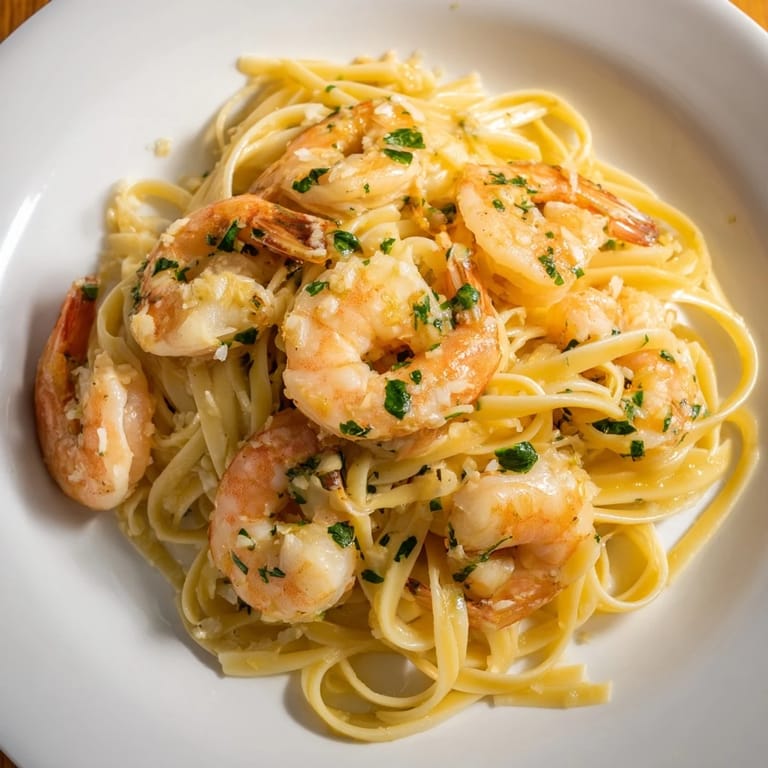
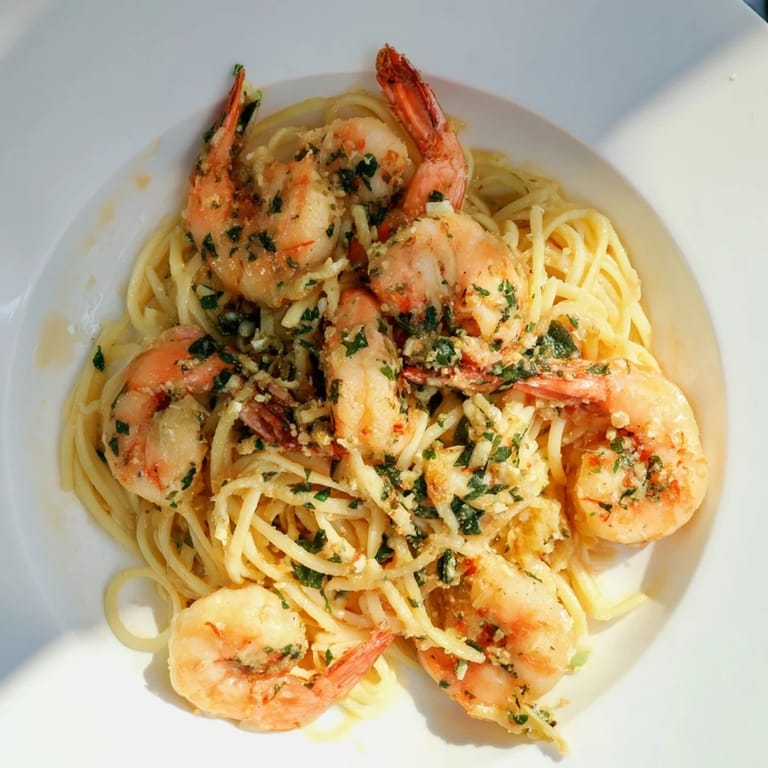
 There's something about the smell of garlic and lemon hitting hot oil that makes me stop what I'm doing. I discovered this pasta one evening when I had beautiful shrimp that needed cooking and a lemon that was begging to be used, along with whatever fresh herbs were still holding on in my kitchen. The whole dish came together faster than I expected, and suddenly I was eating something that tasted like a restaurant but took less time than ordering delivery.
I made this for someone I was trying to impress, and I remember being genuinely surprised when they asked for the recipe instead of just complimenting the meal politely. That's when I realized how special a simple dish could be if you paid attention to the ingredients and didn't overthink it.
Ingredients
- Large shrimp, peeled and deveined (400 g): The foundation of this dish, and they cook so fast that timing is everything—you want them just turned pink, still tender.
- Linguine or spaghetti (340 g): The pasta shape matters less than cooking it to al dente so it has some texture left to grab the sauce.
- Garlic, minced (3 cloves): The minute those cloves hit the oil, your kitchen smells ready for company, so don't skip this step.
- Lemon zest and juice (1 large lemon): The zest gives brightness while the juice balances everything, turning a simple dish into something memorable.
- Fresh parsley, finely chopped (3 tbsp): This adds color and a clean finishing touch that makes the whole plate feel intentional.
- Fresh basil, finely chopped (2 tbsp): Optional, but if you have it, add it—the warmth of basil softens slightly and rounds out the lemon.
- Extra-virgin olive oil (3 tbsp): Use something you actually like tasting, because here it's not just cooking medium, it's a main flavor.
- Unsalted butter (1 tbsp): Just enough to add a silky finish without making it heavy.
- Salt and freshly ground black pepper: Taste as you go because the pasta water is salty and the lemon is already acidic.
Tired of Takeout? 🥡
Get 10 meals you can make faster than delivery arrives. Seriously.
One email. No spam. Unsubscribe anytime.
Instructions
- Start the pasta:
- Bring a pot of salted water to a rolling boil—the water should taste like the sea. Pasta goes in once it's truly boiling, and you'll cook it until it's tender but still has a little resistance when you bite it.
- Prepare the shrimp:
- While the pasta cooks, pat your shrimp dry with a paper towel and season them simply with salt and pepper. Wet shrimp won't sear properly, so don't skip the drying step.
- Sear the shrimp:
- Heat olive oil in a large skillet over medium-high heat until it shimmers, then add the shrimp in a single layer. Let them cook undisturbed for about a minute so they develop a light golden edge, then flip and cook another minute until they're just pink and opaque through the middle.
- Build the sauce:
- Lower the heat to medium and add the remaining oil and butter to the same skillet, scraping up any golden bits from the bottom. Once the butter foams, add the garlic and let it smell amazing for about thirty seconds—don't let it brown.
- Bring it together:
- Add your drained pasta directly to the skillet along with the reserved pasta water, lemon zest, and lemon juice. Toss everything together so the starchy water creates a light sauce that clings to each strand.
- Finish with shrimp and herbs:
- Return the shrimp to the pan, add the parsley and basil, and toss gently until everything is warm and coated. Taste and adjust salt and pepper—remember you've got lemon acidity and salt from the pasta water already working in your favor.
- Serve immediately:
- Plate it while it's hot, and if you have them, add a squeeze from a fresh lemon wedge and a handful of extra herbs on top.
 Save to Pinterest
 I remember standing at my stove one weeknight, watching the steam rise off the pasta pot, and realizing that sometimes the most satisfying meals are the ones that don't require a recipe you've memorized or techniques you've practiced a hundred times. This dish proved that good ingredients and attention to what's happening in the pan were enough.
Why Fresh Herbs Matter Here
Dried herbs would turn this into something completely different—more muted, more one-note. Fresh parsley and basil add a brightness that makes you taste the lemon differently, almost like they're introducing each other at a dinner party. The herbs aren't just decoration; they're changing the entire character of what's on your plate.
The Pasta Water Secret
I learned this the hard way by ignoring it and ending up with a dry, sad plate where the sauce separated and pooled at the bottom. That starchy water is what transforms a simple pan of oil and lemon juice into something creamy and cohesive, binding to the pasta and shrimp in a way water never could. It's one of those quiet cooking secrets that makes a huge difference once you understand why it matters.
Making It Your Own
This recipe is a framework, not a rulebook. I've made it with whatever fresh herbs were in reach, added red pepper flakes when I wanted heat, and substituted different pasta shapes depending on what was in my pantry. The core method stays the same, but the details bend to whatever you have and whatever you're craving.
- A pinch of red pepper flakes adds a gentle warmth that doesn't overwhelm the lemon.
- If basil isn't available, extra parsley or fresh mint work beautifully in a pinch.
- For dairy-free, skip the butter and Parmesan without losing anything important to the dish.
 Save to Pinterest
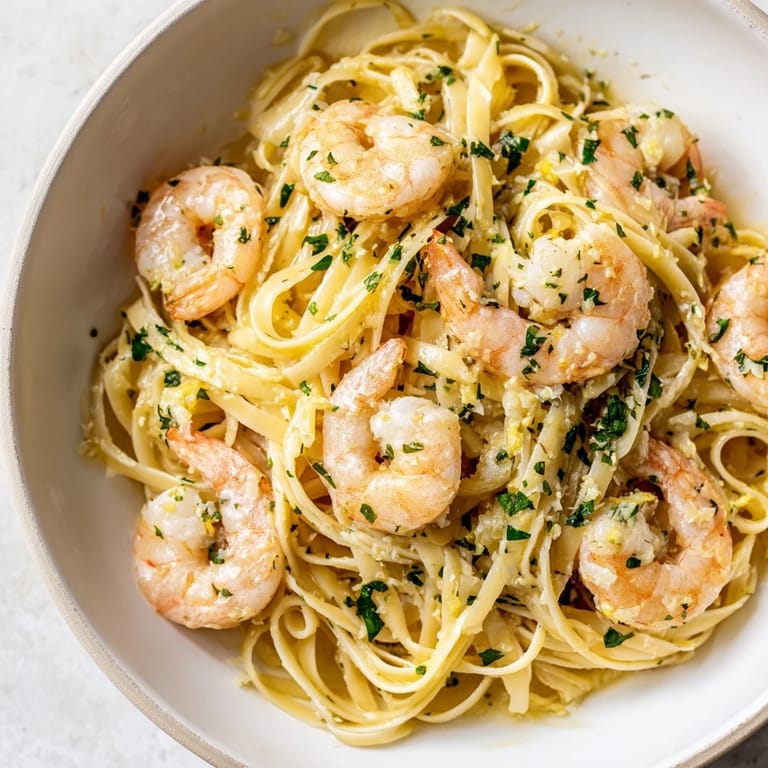
 This is the kind of meal that makes you feel like you've done something special without the stress or time commitment. Once you've made it once, it becomes something you reach for on nights when you want something good but also want to keep it simple.
Common Questions
- → What type of pasta works best for this dish?
Linguine or spaghetti are ideal for holding the lemon herb sauce, but fettuccine can also be used as a substitute.
- → How should the shrimp be cooked for optimal texture?
Sauté the shrimp quickly over medium-high heat until just pink and opaque, about 1–2 minutes per side, to keep them tender.
- → Can I adjust the lemon flavor intensity?
Yes, you can add more lemon zest or juice to brighten the dish or reduce it for a milder citrus touch.
- → Is there a way to add a spicy kick to this dish?
A pinch of red pepper flakes added during the garlic sauté brings a subtle heat complementing the lemon and herbs.
- → What are good beverage pairings with this meal?
Light white wines like Sauvignon Blanc or Pinot Grigio pair excellently, enhancing the fresh and zesty flavors.