 Save to Pinterest
 I discovered this sauce by accident on a Tuesday night when I had hungry guests arriving in twenty minutes and absolutely nothing prepared. Rummaging through my pantry, I found a can of tomato sauce, some butter, and a desperate idea: what if I just melted butter into it? That simple desperation became my secret weapon—something so ridiculously easy that I felt almost guilty how silky and restaurant-quality it tasted. Now it's the sauce I reach for when I want real food fast, no pretense, no fuss.
My partner tasted this for the first time on a rainy Sunday when I made it with fresh pasta I'd rolled out that morning. The sauce clung to each strand, rich and glossy, and he went quiet for a moment—that specific kind of quiet that means you've hit on something good. He asked for the recipe, and when I told him it was just tomato sauce and butter, he laughed and said I was pranking him. That moment taught me that simplicity isn't boring; it's just honesty on a plate.
Ingredients
- Tomato sauce: Use unsalted if you can find it, so you control the salt balance—I learned this after one too many batches that tasted like the sea. Plain tomato sauce is your blank canvas; fancy is unnecessary here.
- Unsalted butter: The whole point lives here; cold butter melting into warm tomato creates an emulsion that feels creamy without cream. Room-temperature butter works too, but cold straight from the fridge gives you more control.
- Garlic powder: A teaspoon might seem shy, but it whispers rather than shouts—taste first, add more if your mood demands it.
- Salt and black pepper: Adjustable because your tomato sauce brand might be saltier than mine, and your taste buds are the boss.
- Heavy cream: Optional, but it pushes the sauce from simple to luxurious if you have it on hand.
- Dried Italian herbs: A teaspoon added at the end lifts everything without overwhelming the tomato's natural sweetness.
Tired of Takeout? 🥡
Get 10 meals you can make faster than delivery arrives. Seriously.
One email. No spam. Unsubscribe anytime.
Instructions
- Start with medium heat and patience:
- Pour your tomato sauce into a medium saucepan and slice your butter into pieces—this helps it melt evenly and quickly. Turn the heat to medium and let the butter warm gradually; rushing with high heat makes it brown too fast and lose its delicate flavor.
- Let the butter emulsify:
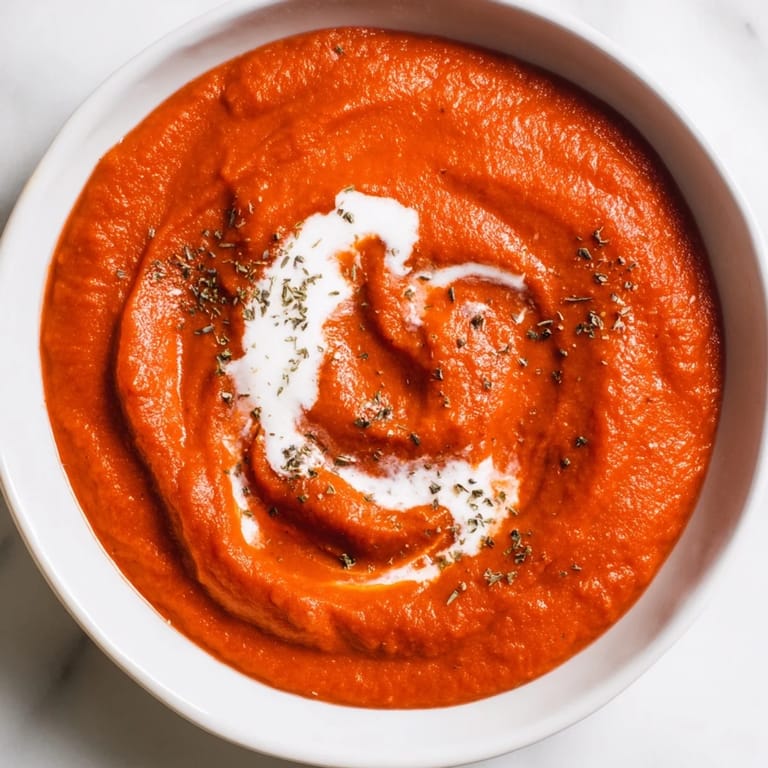
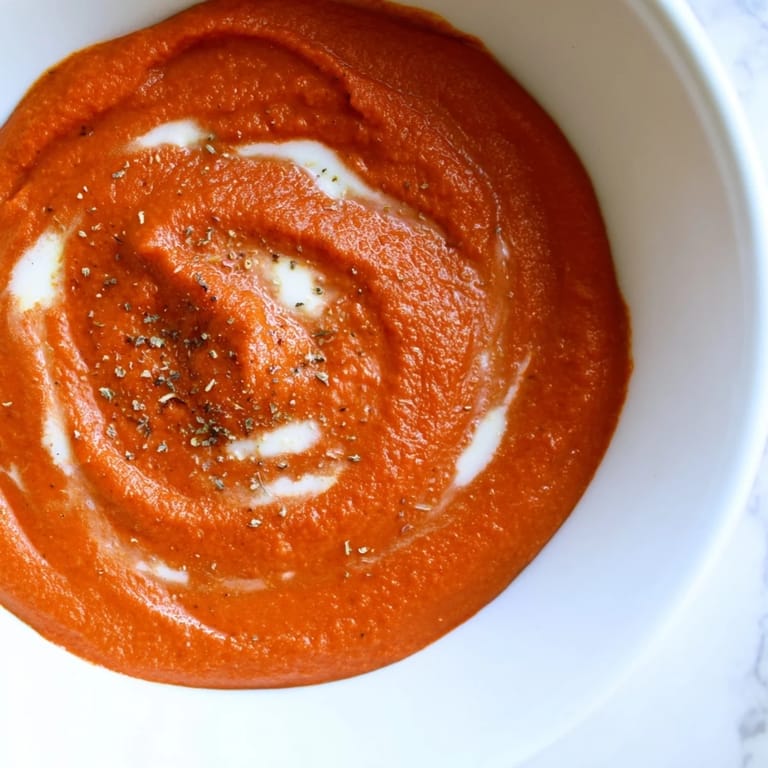
- Once the butter starts melting into the tomato sauce, you'll notice the color shift from red to a deeper, almost peachy tone as they combine. Stir gently and watch it happen—this is the magic, and it takes about five minutes of quiet simmering.
- Season with intention:
- Sprinkle in your garlic powder, salt, and pepper, then taste before you assume you're done. I learned to taste at this stage because every tomato sauce brand behaves differently.
- Optional richness:
- If you want extra creaminess, pour in the heavy cream and dried herbs if you're using them, stirring to combine. Let everything simmer together for two to three more minutes until it tastes like home.
- Serve and enjoy:
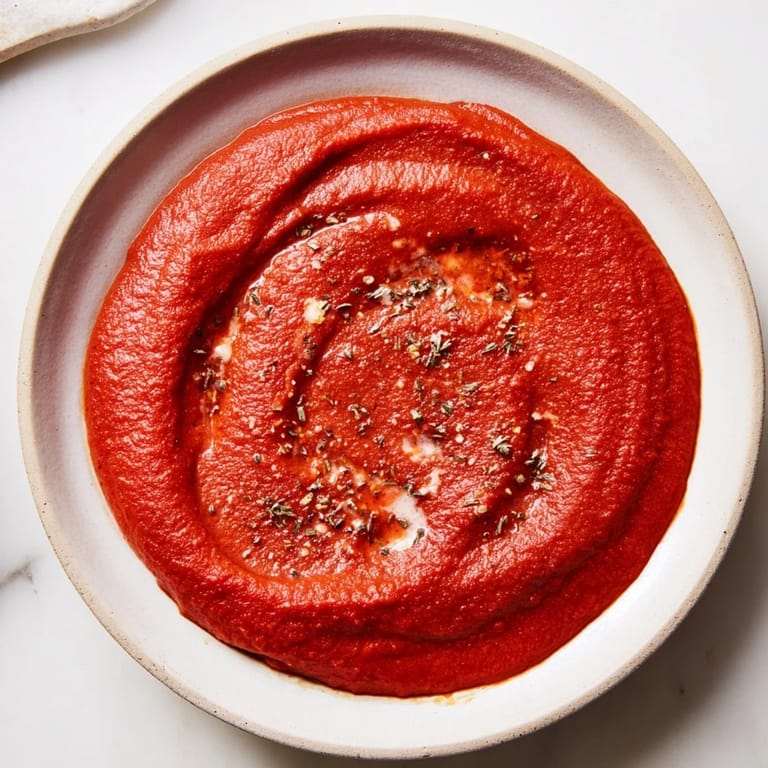
- Taste one more time, adjust seasoning if needed, and pour over hot pasta, use as a dipping sauce, or spread on pizza dough.
 Save to Pinterest
 There was an evening when my sister came home exhausted from a brutal shift at work, and I had this sauce waiting with fresh pasta. She sat down, took one bite, and her shoulders dropped like she'd set down a heavy bag. Food doesn't always fix what's wrong, but sometimes the gesture of effort—even ten minutes of it—says everything. That's when I understood this sauce isn't about being quick; it's about showing up for someone with something real.
The Butter-Tomato Difference
There's a chemistry that happens when butter meets tomato sauce that most people don't expect. The fat from the butter coats your palate differently than cream does—lighter, more refined, but still luxurious. I used to think you needed heavy cream to make a sauce feel indulgent, but butter taught me that richness comes in different forms. The emulsion that forms feels almost silky, and because you're using so little, it never weighs you down or makes you feel overstuffed afterward.
Flavor Combinations That Work
This sauce is endlessly flexible, which is part of why I love it. Beyond the basic garlic powder, you can think of it as a foundation for whatever your kitchen mood is that day. A pinch of red pepper flakes brings warmth and complexity, while a handful of fresh basil stirred in at the very end tastes like summer even in winter. I've added a small splash of balsamic vinegar when I wanted earthiness, or a tiny bit of anchovy paste when I craved something savory and deep. It's one of those rare recipes where your imagination doesn't feel out of place.
Storage and Make-Ahead
Leftovers keep beautifully in the refrigerator for up to four days, which means you can make a batch and use it through the week in different ways—over pasta one night, on pizza dough the next, stirred into soups or spread on bread. When you reheat, do it gently over low heat, stirring often so the butter doesn't separate from the tomato. I've also frozen small portions in ice cube trays and thawed them on busy nights, which feels like a gift to my future self.
- For a vegan version, swap the butter for a plant-based alternative and skip the heavy cream, or use coconut milk for richness.
- San Marzano or fire-roasted tomato sauce deepens the flavor profile if you want to experiment beyond basic tomato sauce.
- Always check ingredient labels for hidden allergens, especially in commercial butter and tomato sauce brands.
 Save to Pinterest
 This sauce taught me that some of life's best moments don't require complexity—just intention and ingredients that know what they're doing. Ten minutes and a handful of pantry staples become a meal that feels like someone cared.