 Save to Pinterest
 There's something magical about pulling a warm flatbread off the pan and watching the steam rise—that moment when you realize you've created something restaurant-worthy with just five ingredients sitting in your pantry. The first time I made these, I was looking for a way to use up a tub of cottage cheese that kept getting buried in the back of my fridge, and I stumbled onto this surprisingly simple dough. The combination of Greek yogurt and cottage cheese transforms ordinary flour into something tender and subtly tangy, with a golden exterior that crisps just enough to hold your favorite spreads.
I remember making a batch of these on a quiet Tuesday evening and my partner came home to the smell of butter-toasted bread filling the entire apartment. He ate three straight off the cooling rack, barely letting them cool enough to hold, and that's when I knew this recipe was worth keeping. Now whenever we have people over for soup, I make a double batch because these disappear faster than anything else on the table.
Ingredients
- Plain flour (200 g): All-purpose works perfectly here and creates structure for the dough without being heavy.
- Greek yogurt (120 g): This is your secret weapon for tenderness and tang—the acidity tenderizes the gluten, so don't skip the Greek kind.
- Cottage cheese (100 g): The lumps actually matter because they create small pockets of moisture and richness throughout the bread.
- Baking powder (1/2 tsp): Just enough lift to keep these light and slightly airy without making them cake-like.
- Fine sea salt (1/2 tsp): This balances the tang from the dairy and makes everything taste brighter.
- Olive oil or melted butter (2 tbsp): For pan-frying; butter gives richer flavor, but oil is equally good and makes them slightly crispier.
Tired of Takeout? 🥡
Get 10 meals you can make faster than delivery arrives. Seriously.
One email. No spam. Unsubscribe anytime.
Instructions
- Combine your dry ingredients:
- Whisk flour, baking powder, and salt together in a large bowl. This distributes the leavening evenly so you don't get dense pockets in any flatbread.
- Add the dairy and mix gently:
- Dollop in the Greek yogurt and cottage cheese, then use a wooden spoon or your hands to bring everything together into a shaggy, rough-looking dough. Don't overthink it at this stage—it'll look messy and that's exactly right.
- Knead until smooth:
- Turn everything onto a lightly floured surface and knead gently for just 2–3 minutes until it feels smooth and holds together. If it's sticky, dust with a bit more flour, but resist the urge to add too much or you'll end up with tough bread.
- Divide and shape into balls:
- Portion the dough into 6 equal pieces (I use a kitchen scale for consistency) and roll each into a smooth ball. This makes rolling them out much easier.
- Roll into rounds:
- On a floured surface, gently flatten each ball and roll it to about 5–6 mm thick, roughly the size of a small plate. Dust with flour as you go to prevent sticking, and don't worry about perfect circles—rustic looks better anyway.
- Prepare your pan:
- Heat a nonstick skillet or cast iron pan over medium heat for a minute or two. Medium heat is important here—too high and the outside browns before the inside cooks through.
- Cook the flatbreads:
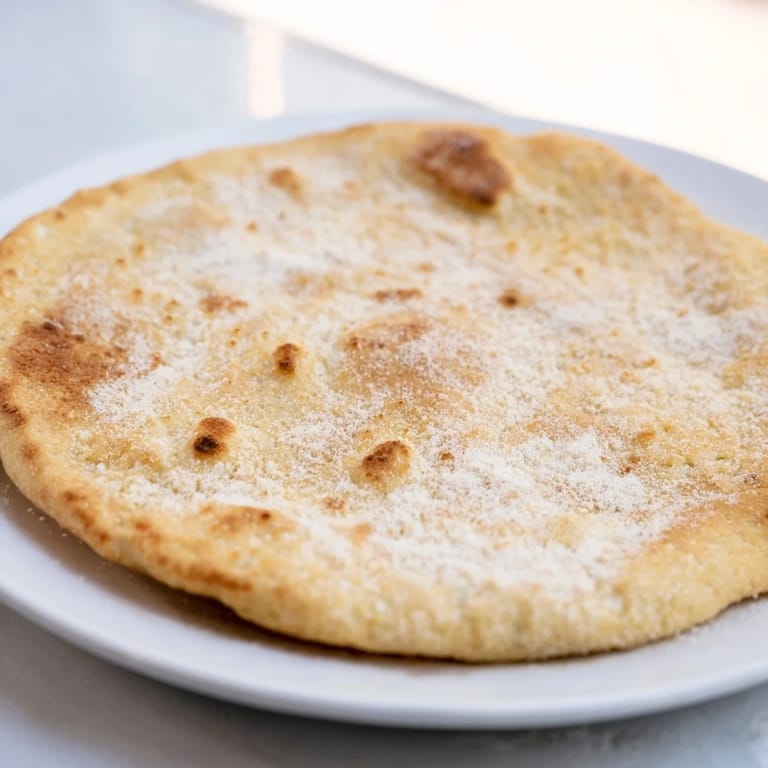
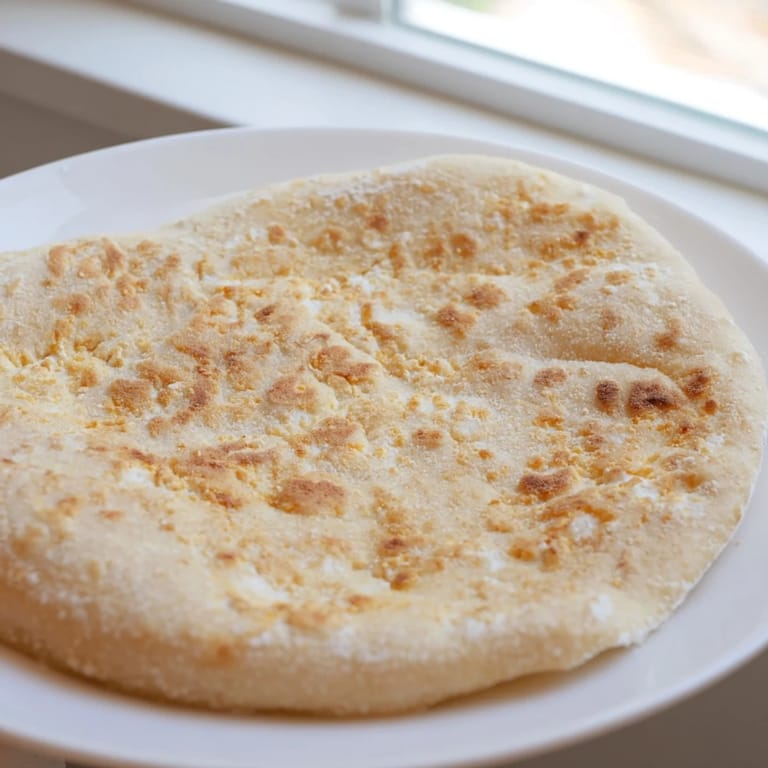
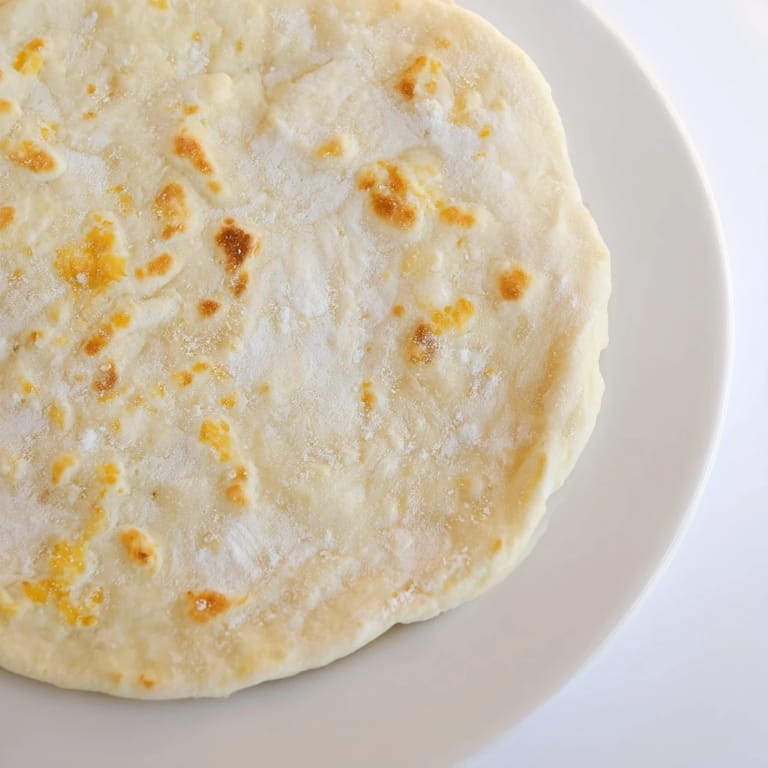
- Brush the hot pan with oil or butter, then lay one or two flatbreads in the pan and cook for 2–3 minutes per side. You're looking for golden-brown spots and a slightly puffed texture, which tells you the inside is cooked.
- Keep them warm:
- As each flatbread finishes, transfer it to a plate and drape a clean kitchen towel over the stack. The steam trapped by the towel keeps them soft and warm.
 Save to Pinterest
 There was a moment last spring when I made these for a casual lunch, and my neighbor stopped by just as the smell hit her—she ended up staying and we spent an hour at the kitchen table with warm flatbreads, hummus, and tea, talking about nothing in particular. That's when I realized these aren't just bread; they're a reason to slow down and share something warm with someone.
Flavor Variations to Try
Once you've made the basic version a few times, you can start playing with what goes into the dough. I've had great success stirring in a handful of chopped fresh herbs—parsley, chives, and dill all work beautifully—or mincing a clove or two of garlic for something more savory. One time I added a tablespoon of nigella seeds and they toasted beautifully in the pan, giving these subtle nuttiness.
What to Serve These With
Warm flatbread is endlessly flexible, which is part of why I make them so often. They're excellent alongside curry or any kind of soup because they're sturdy enough to dip but tender enough to enjoy on their own. I've used them as wraps for roasted vegetables and hummus, served them alongside a cheese board, and even had them plain with just a smear of good butter and sea salt.
Storage and Make-Ahead Tips
These keep beautifully in an airtight container for up to three days, and you can refresh them by laying them in a dry pan over medium heat for just a minute per side—they'll soften back to almost-fresh. I sometimes make a double batch on the weekend and portion them into the freezer in parchment layers; they thaw and reheat perfectly if you need bread on a busy weeknight.
- Store completely cooled flatbreads in an airtight container away from other baked goods, as they soften faster than denser breads.
- To freeze, layer them between parchment paper so they don't stick together, then wrap the whole stack in plastic.
- Reheat gently in a dry pan rather than the microwave, which makes them tough and rubbery.
 Save to Pinterest
 These flatbreads have become my go-to when I want to feel like I've made something impressive without the stress. There's real joy in pulling golden, warm bread from the pan knowing you made it in less time than it takes to order delivery.
Common Questions
- → What makes the flatbreads tender?
Cottage cheese and Greek yogurt add moisture and subtle tang, making the flatbreads soft and tender.
- → How should the dough be prepared for cooking?
After mixing, knead gently until smooth, then divide and roll into thin rounds about 5–6 mm thick before pan-frying.
- → Can I add herbs or spices to the dough?
Yes, chopped parsley, chives, dill, or minced garlic can be mixed into the dough to enhance flavor.
- → What is the best way to cook these flatbreads?
Cook them on a medium-heated nonstick or cast iron skillet, brushing the pan lightly with oil or butter for golden spots and perfect texture.
- → How should leftover flatbreads be stored?
Store in an airtight container and reheat gently in a dry pan to restore softness and warmth.