 Save to Pinterest
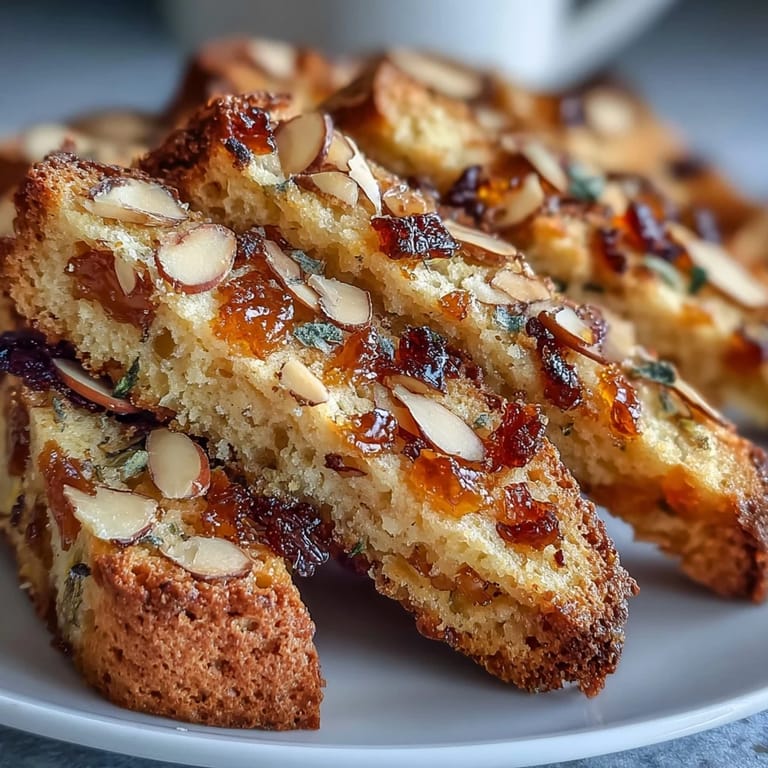
 My aunt's kitchen in Tuscany always smelled like candied citrus and strong espresso, and one winter afternoon she taught me how to make biscotti while rain pattered against the windows. The twice-baked technique seemed unnecessarily complicated at first—why not just bake them once?—but the moment I bit into one and felt that satisfying crunch give way to tender almond and orange, I understood completely. Now these crispy, dunkable cookies are my go-to when I want something that feels both homemade and deliberately elegant.
I made these for a dinner party where everyone was skeptical about homemade biscotti, assuming they'd be either rock-hard or disappointingly soft. Watching my friends dunk them in dessert wine and suddenly get quiet—that specific silence that means something tastes really good—made the whole process worth it.
Ingredients
- All-purpose flour (2 cups): This is your structure; don't sift it unless your flour is clumpy, as that can make the biscotti tough and dense.
- Baking powder (1 teaspoon): Just enough to give these cookies a gentle lift without making them cake-like.
- Salt (1/4 teaspoon): A small amount enhances the orange flavor and balances the sweetness perfectly.
- Granulated sugar (3/4 cup): Creaming this with eggs creates the pale, thick base that gives biscotti their characteristic tender crumb before the second bake.
- Large eggs (2): Room temperature eggs incorporate better and create a smoother dough; take them out of the fridge about 15 minutes before starting.
- Unsalted butter (1/4 cup, melted and cooled): Cooling it first prevents the eggs from cooking when you mix it in, and unsalted gives you control over salt content.
- Pure vanilla extract (1 teaspoon): Don't skip this; it deepens the overall flavor and makes the orange shine brighter.
- Orange zest (1 tablespoon, finely grated): The zest is where the real orange magic lives, so grate it fresh and don't use the white pith underneath.
- Candied orange peel (2/3 cup, diced): Look for pieces that are chewy but not rock-hard; if they're too stiff, soak them in warm water for a few minutes and pat dry.
- Sliced almonds (1/2 cup, optional): These add a subtle nuttiness and textural contrast, but the recipe works beautifully without them if you prefer nut-free cookies.
Tired of Takeout? 🥡
Get 10 meals you can make faster than delivery arrives. Seriously.
One email. No spam. Unsubscribe anytime.
Instructions
- Set your oven and prepare:
- Preheat to 350°F and line your baking sheet with parchment paper so nothing sticks and you get an even bake on the bottom of your logs. Having everything ready means you won't scramble midway.
- Mix the dry ingredients:
- Whisk together flour, baking powder, and salt in a medium bowl, breaking up any lumps with the back of your whisk. This distributes the leavening evenly so every cookie rises the same way.
- Cream sugar and eggs until pale:
- Beat them for about 2 minutes—you're looking for a noticeably lighter color and thick, ribbon-like texture. This aerates the dough and helps create that tender interior.
- Add butter, vanilla, and orange zest:
- Fold these in gently after beating; the mixture should smell intensely of orange now. If the dough looks separated, don't worry—the dry ingredients will bring it back together.
- Combine wet and dry:
- Add the flour mixture gradually, stirring just until combined; overmixing toughens the cookies, so stop as soon as you see no white streaks of flour. The dough should be thick and slightly sticky.
- Add candied peel and almonds:
- Fold these in carefully, distributing them evenly so every bite has orange and almond flavor.
- Shape into logs:
- Divide the dough in half and shape each half into a 12-inch log that's about 2 inches wide and slightly flattened on top. Use damp hands to prevent sticking, and keep them as even as possible so they bake uniformly.
- First bake:
- Bake for 25 minutes until lightly golden and set to the touch; the logs should hold together but still feel slightly soft inside. Cool for 10 minutes—this makes them firm enough to slice cleanly without shattering.
- Slice diagonally:
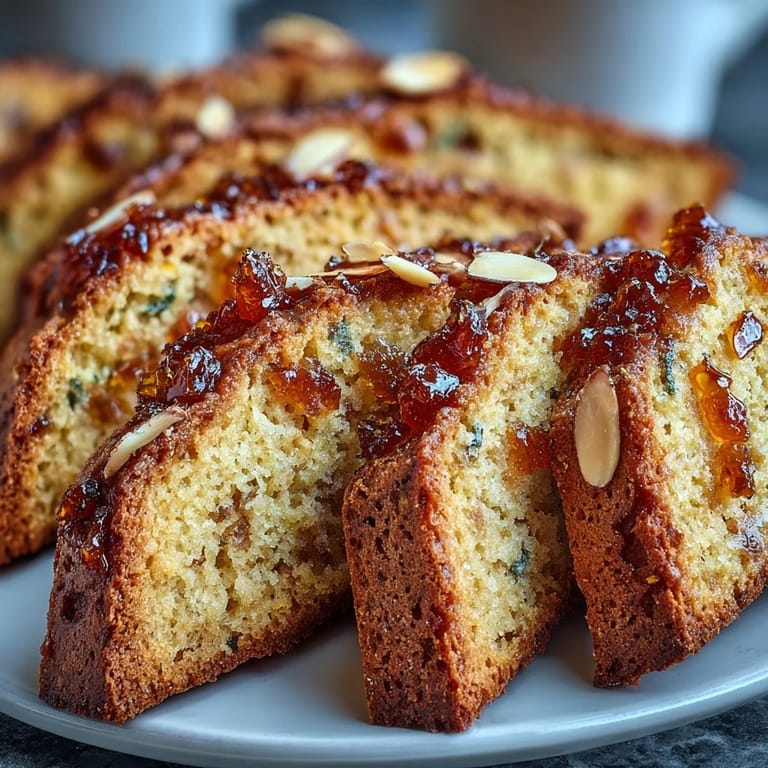
- Use a serrated knife and cut at a slight angle (about 45 degrees) to get those classic biscotti shapes. A gentle sawing motion works better than pressing down hard, which can crumble the edges.
- Second bake at lower temperature:
- Lower the oven to 300°F and bake the slices cut-side down for 10 minutes, then flip and bake another 10 minutes. You're removing moisture now to create that signature crisp texture.
- Cool and store:
- Let them cool completely on a wire rack before eating or storing; they continue to firm up as they cool. Warm biscotti feel soft and disappointing, but patience rewards you with proper crunch.
 Save to Pinterest
 These cookies found their way into my partner's office snack rotation, and now they're requested for every celebration. There's something about a homemade biscotti that says you cared enough to bake something twice.
The Magic of the Double Bake
The first bake creates a tender cookie structure, and the second bake removes just enough moisture to make them crisp without being hard or flavorless. This technique comes from Italy where biscotti were originally made to last for long sea voyages; the twice-baked method ensures they stay fresh and crunchy for weeks. Understanding this process helps you know exactly what you're looking for at each stage instead of just following steps blindly.
Why Orange and Almonds Work So Well Together
Orange zest brings bright acidity that wakes up your palate, while candied orange peel adds sweetness and chew. Almonds contribute a subtle earthiness that doesn't compete with the citrus but instead creates a quiet harmony—like a supporting actor who makes the lead shine brighter. This combination feels Italian and timeless, the kind of flavor pairing that's been working for centuries because it just works.
Variations and Serving Suggestions
Once you master the basic technique, these cookies invite experimentation. Try dipping cooled biscotti in melted dark chocolate for elegance, or swap almonds for pistachios if you want something earthier and more indulgent. They pair beautifully with coffee, tea, dessert wine, or even a glass of milk for something simpler and more nostalgic.
- For a nut-free version, simply omit the almonds and the recipe works just as well with just the orange and almond-free biscotti.
- Store them in an airtight container and they'll stay crisp for up to two weeks, making them perfect for gift-giving or having on hand.
- If they ever soften from humidity, pop them back in a 300°F oven for 5 minutes to restore their crunch.
 Save to Pinterest
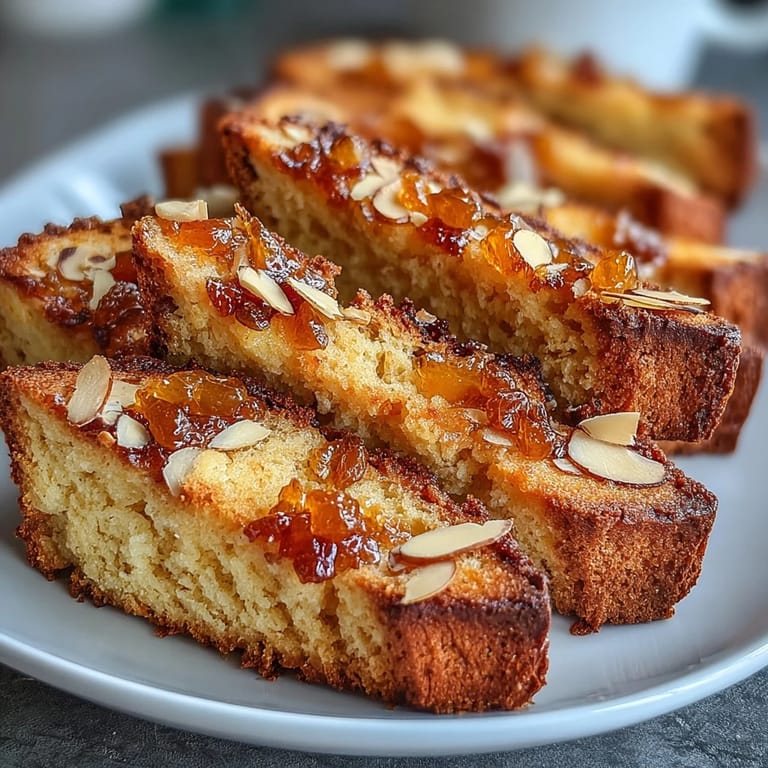
 These biscotti have become my version of an heirloom recipe, the kind I make when I want to give someone something that tastes like care and time. Every crispy, orange-scented bite carries a little bit of that Tuscan kitchen afternoon, and somehow that makes them taste even better.
Common Questions
- → What gives the biscotti its distinctive crunch?
The twice-baking process dries out the dough, resulting in a firm, crisp texture ideal for dipping.
- → Can I substitute almonds with other nuts?
Yes, pistachios or other nuts can replace almonds, or they can be omitted for a nut-free version.
- → How does the candied orange peel enhance the flavor?
The candied orange peel adds sweet citrus bursts that complement the orange zest and enrich the overall flavor.
- → What is the best way to store these biscotti?
Store in an airtight container at room temperature for up to two weeks to maintain crispness and freshness.
- → Are these cookies suitable for vegetarians?
Yes, the ingredients used comply with vegetarian diets, containing no meat products.