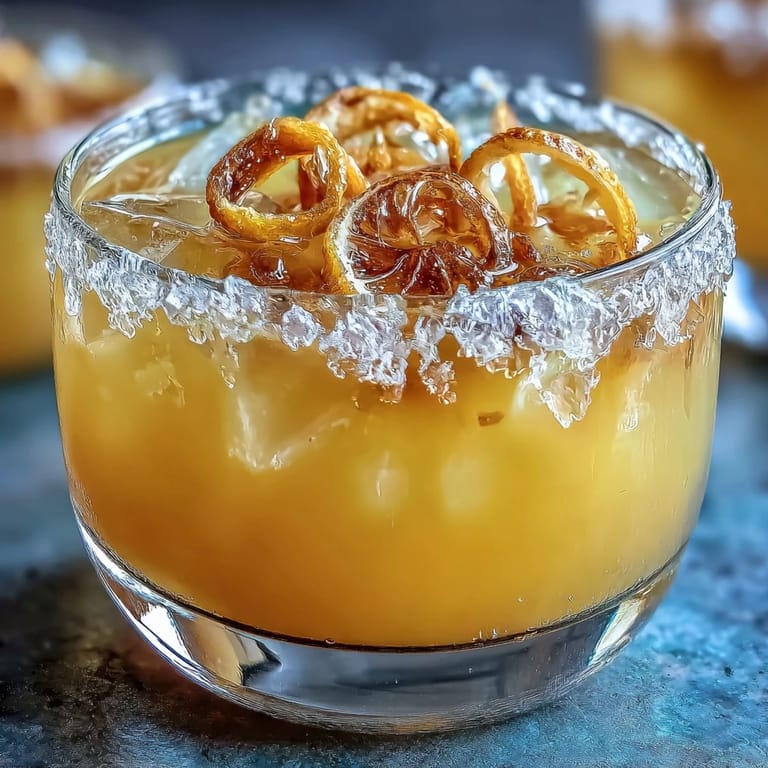
 Save to Pinterest
 My neighbor Maria handed me a tiny glass of limoncello one humid August evening, and I watched her face light up as I took that first sip—it was pure sunshine in liquid form. She'd been making it for thirty years, she said, and the secret was patience and the best lemons she could find. That night, I became obsessed with recreating that golden magic in my own kitchen, and what started as a weekend project turned into my favorite reason to give thoughtful gifts.
I made my first batch on a lazy Saturday when my sister was visiting, and we spent the afternoon peeling lemon zest while listening to old Italian music she'd found on her phone. By the time we sealed that jar, the kitchen smelled like a lemon grove had exploded, and we both knew something good was about to happen in that dark cabinet over the next few weeks.
Ingredients
- 8 large unwaxed organic lemons: This is non-negotiable—waxed lemons will give you that waxy taste that ruins everything, so hunt down the organic ones at farmers markets or specialty shops.
- 750 ml 95% pure grain alcohol (or 100-proof vodka): The high proof extracts every bit of lemon essence; don't cheap out here because you're literally flavoring your entire batch with this.
- 600 ml water: Filtered water makes a subtle but real difference in the final clarity and taste.
- 400 g granulated sugar: This balances the intensity of the alcohol and zest into something that actually tastes like a treat, not a burn.
Tired of Takeout? 🥡
Get 10 meals you can make faster than delivery arrives. Seriously.
One email. No spam. Unsubscribe anytime.
Instructions
- Prep your lemons like you mean it:
- Wash each lemon under hot water, really scrubbing with your fingers to get off any dirt or residue, then pat them completely dry with a clean towel. Wet zest won't infuse properly, and you'll end up diluting your alcohol, which defeats the whole purpose.
- Zest with intention:
- Using a vegetable peeler, slowly remove only the bright yellow outer layer, turning the lemon as you go and being careful not to catch any of that bitter white pith underneath. This takes patience, but it's worth it—those ribbons of zest are where all the magic lives.
- Start the infusion:
- Drop all your zest into a clean glass jar, pour in the alcohol until everything is covered, then seal it tight. Store it somewhere cool and dark, like a cabinet or closet, and shake it gently every couple of days as you pass by.
- Practice patience:
- Let it sit for at least 10 days, but honestly, if you can wait 20 or 30, your limoncello will thank you. The longer the zest steeps, the more deeply that lemon flavor infuses into the alcohol, and the results are noticeably brighter and more complex.
- Make your syrup:
- In a saucepan, combine water and sugar over gentle heat, stirring occasionally until every grain of sugar dissolves. Once it's smooth, take it off the heat and let it cool completely—this matters because hot syrup will damage the delicate alcohol vapors.
- Strain and combine:
- Pour your infused alcohol through a fine mesh strainer or cheesecloth into a clean bowl, pressing gently to release any last drops, then mix it with your cooled syrup. Stir well to marry all the flavors together.
- Bottle and rest:
- Pour everything into sterilized bottles and seal them tight, then tuck them away for at least a week before you even think about opening one. This resting period is when the flavors really settle and harmonize into something unforgettable.
- Serve it frozen:
- When the moment comes, pull your bottle straight from the freezer and pour tiny glasses for your lucky guests—that ice-cold intensity is exactly how this liqueur is meant to be experienced.
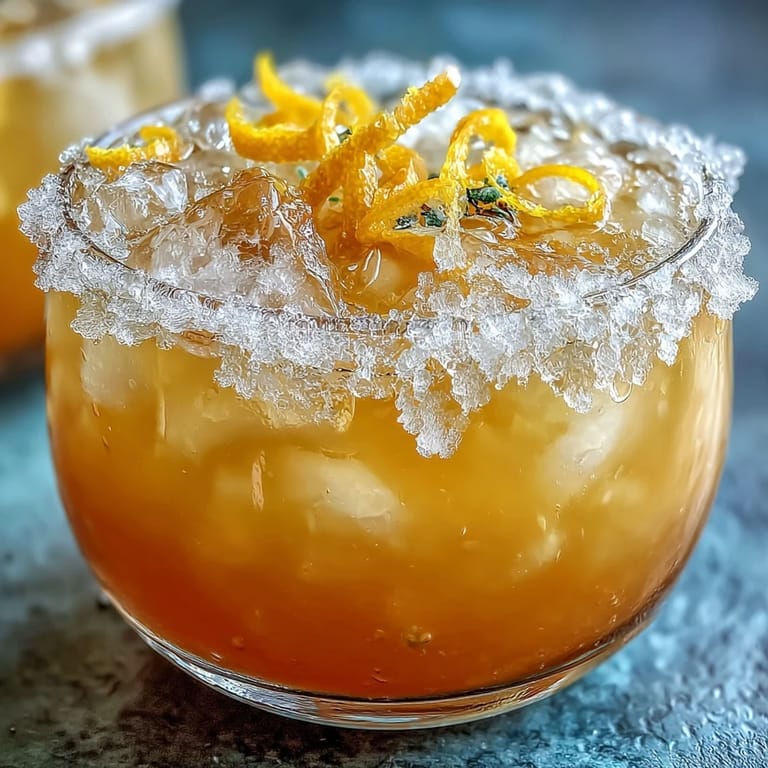 Save to Pinterest
 Three months later, I gave my first batch to Maria, and she tasted it with this knowing smile that made me feel like I'd finally been let into some beautiful secret. That single moment—seeing her nod in approval—made all those weeks of waiting feel like time well spent.
Choosing Your Lemons
The difference between ordinary and extraordinary limoncello comes down to lemon choice, and I learned this the hard way by making a batch with whatever was available at the grocery store. If you can access them, Meyer lemons bring a floral, slightly less acidic note that changes the whole character of the final product, making it feel more refined and complex. Hunt for lemons that feel heavy for their size and have thin, smooth skin—those tend to be juicier and more fragrant than thick-skinned ones.
The Waiting Game
There's something oddly meditative about making limoncello—the actual hands-on work takes maybe thirty minutes, but then you get to practice one of the hardest kitchen skills: doing absolutely nothing. I found that shaking the jar gently every couple of days became this small ritual, a moment to check on something you created and imagine how good it's going to taste. The minimum is 10 days, but if your life allows it, stretch it to three weeks; the difference in flavor intensity is genuinely noticeable and absolutely worth the extra patience.
Gifting and Storage
Homemade limoncello in a beautiful bottle becomes instant currency in the world of meaningful gifts—it says you spent time thinking about someone, and that's worth more than anything you could buy. Store your bottles in the freezer for the best experience; the cold makes it thicker and more luxurious, and it's actually meant to be served that way, which is a lovely detail that surprises people. Here are a few final touches that elevate this from nice to unforgettable:
- Label your bottles with the date and maybe a tiny card explaining what goes into making it.
- Keep a bottle for yourself in the freezer and serve it when you want to feel a little fancy on an ordinary Tuesday night.
- If someone gifts you a bottle, remember to drink it cold and savor it slowly—this isn't a shooter, it's a moment.
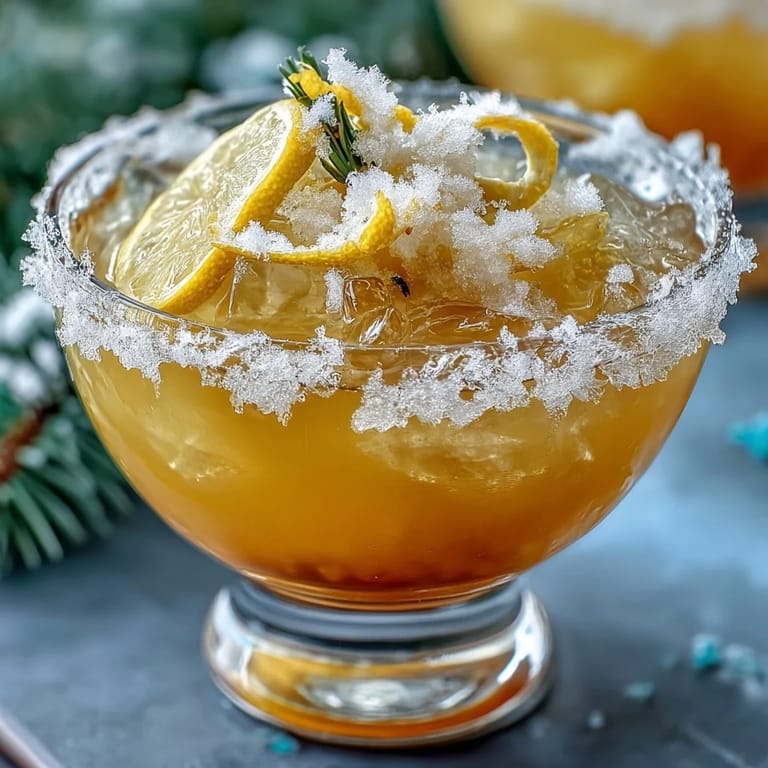 Save to Pinterest
 Making limoncello taught me that some of the best things in life require patience and faith that the small effort you're putting in today will pay off beautifully. Every time you pour a glass, you're holding the result of your care, and that's something worth celebrating.
Common Questions
- → What type of lemons work best?
Organic, unwaxed lemons are essential for a clean, vibrant zest without any chemical residues, which ensures the best flavor extraction.
- → Can vodka be used instead of grain alcohol?
Yes, 100-proof vodka is a suitable substitute though it may produce a slightly milder infusion compared to grain alcohol.
- → How long should the infusion last?
The infusion period ranges from 10 to 30 days, depending on desired intensity; longer soaking yields deeper lemon flavor.
- → Why remove the white pith from lemons?
The white pith is bitter and can impart unwanted harshness, so only the yellow zest should be used for a clean, bright taste.
- → How is the final sweetness adjusted?
Sugar syrup is added after infusion, and the amount can be varied to suit preferences for sweeter or drier profiles.