 Save to Pinterest
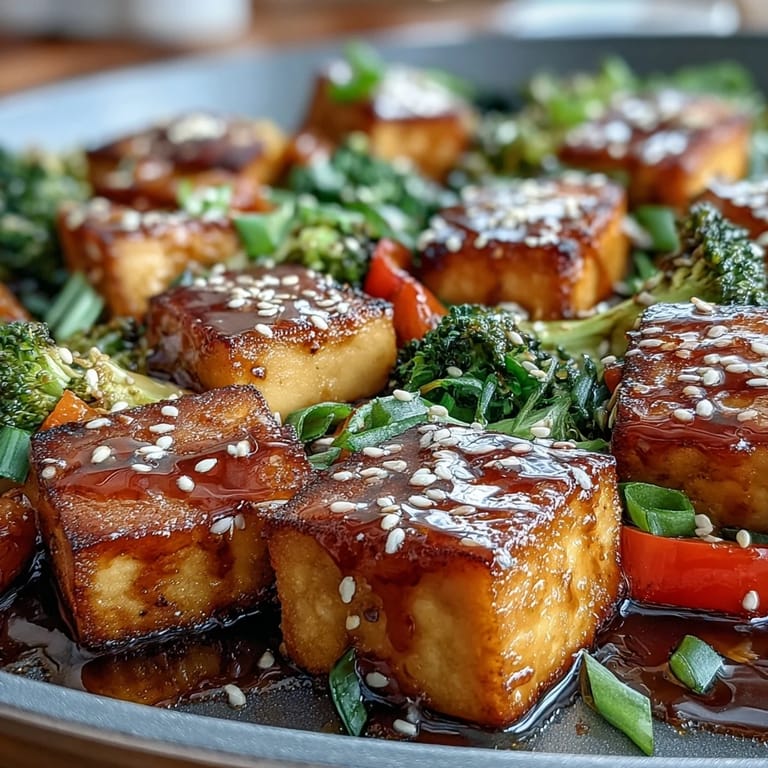
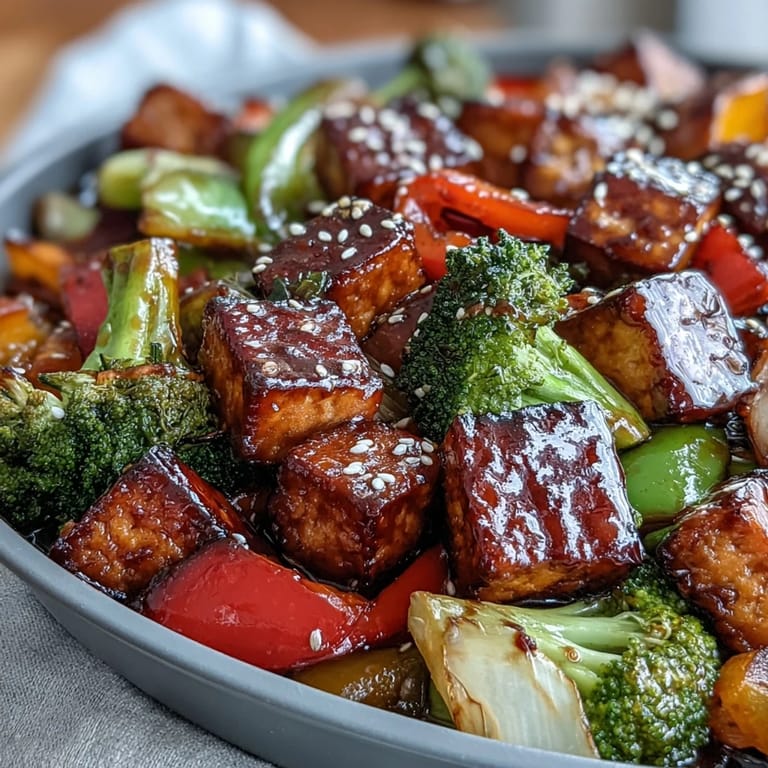
 My neighbor stopped by one Tuesday evening just as I was pulling a sizzling sheet pan from the oven, and the aroma of ginger and garlic hit her before she even stepped inside. She watched me toss the golden tofu with that glossy teriyaki glaze, vegetables glistening under the kitchen light, and asked if I could teach her how to make something that looked this restaurant-worthy but felt so effortless. That moment sparked something—I realized this simple sheet pan dinner had quietly become my go-to proof that vegan cooking doesn't require compromise or complexity.
I made this for my sister's book club, worried that serving vegan food to a group of devoted omnivores might land flat. Instead, three people asked for the recipe before dessert, and one admitted she'd been ordering takeout teriyaki for years when she could've made this at home. Watching someone taste food you've made and genuinely light up—that's when you know a recipe matters.
Ingredients
- Extra-firm tofu, pressed and cubed: Pressing removes moisture so the tofu crisps beautifully rather than steaming, and pressing takes maybe three minutes with a clean kitchen towel or tofu press.
- Broccoli florets: They roast to a sweet, caramelized tenderness at high heat, developing little crispy edges that rival any stir-fry.
- Bell peppers and red onion: The natural sugars concentrate in the oven heat, adding depth without any processed sweetness.
- Vegetable oil: Avocado or canola oil handles high oven temperatures without smoking, keeping flavors clean and bright.
- Soy sauce or tamari: Low-sodium versions let you control saltiness and taste the umami without overpowering the vegetables.
- Maple syrup: Brings a subtle complexity that refined sugar can't match, plus it's naturally vegan.
- Rice vinegar: Its gentle acidity balances the sweetness and prevents the sauce from tasting one-dimensional.
- Sesame oil: A small amount goes far—it's the flavor anchor that makes people ask what makes this different from regular teriyaki.
- Fresh garlic and ginger: Minced fresh versions matter here because they distribute evenly through the sauce and add that pungent, alive quality.
- Cornstarch: Creates a silky glaze that clings to every piece, transforming thin sauce into something restaurant-quality.
- Sesame seeds and green onions: These finishing touches add texture and a fresh herbal note that completes the dish.
Tired of Takeout? 🥡
Get 10 meals you can make faster than delivery arrives. Seriously.
One email. No spam. Unsubscribe anytime.
Instructions
- Heat your oven and prep the pan:
- Set your oven to 220°C (425°F) and line a large sheet pan with parchment paper so nothing sticks and cleanup becomes laughably easy. This high heat is what transforms everything into something crispy and caramelized rather than steamed.
- Build your pan with color and balance:
- Scatter the pressed tofu cubes across the pan, then arrange broccoli florets, bell pepper slices, and red onion slices around them—this isn't just for looks, it creates little pockets where oil settles and flavors concentrate. Drizzle everything with vegetable oil, season with salt and black pepper, then toss gently with your hands or two spoons until every piece glistens.
- First bake until vegetables soften:
- Slide the pan into your oven for 20 minutes, tossing everything halfway through so it cooks evenly. You'll notice the tofu turning golden at the edges and the broccoli developing darker spots—that's exactly what you want.
- Make the teriyaki sauce:
- While the pan roasts, combine soy sauce, maple syrup, rice vinegar, sesame oil, minced garlic, grated ginger, cornstarch, and water in a small saucepan over medium heat. Whisk constantly as it simmers for two to three minutes—you'll feel it thicken slightly and smell the garlic and ginger bloom into something irresistible, then it's done.
- Coat everything in glaze:
- Remove the sheet pan from the oven, pour that glossy teriyaki sauce over the tofu and vegetables, and toss gently so every piece gets coated. Return to the oven for five more minutes so the sauce sets and caramelizes slightly at the edges.
- Finish and serve:
- Take the pan out, scatter sesame seeds and sliced green onions across the top while everything's still steaming, then serve immediately over jasmine or brown rice. The contrast between the warm, glazed vegetables and the cool rice underneath is part of the magic.
 Save to Pinterest
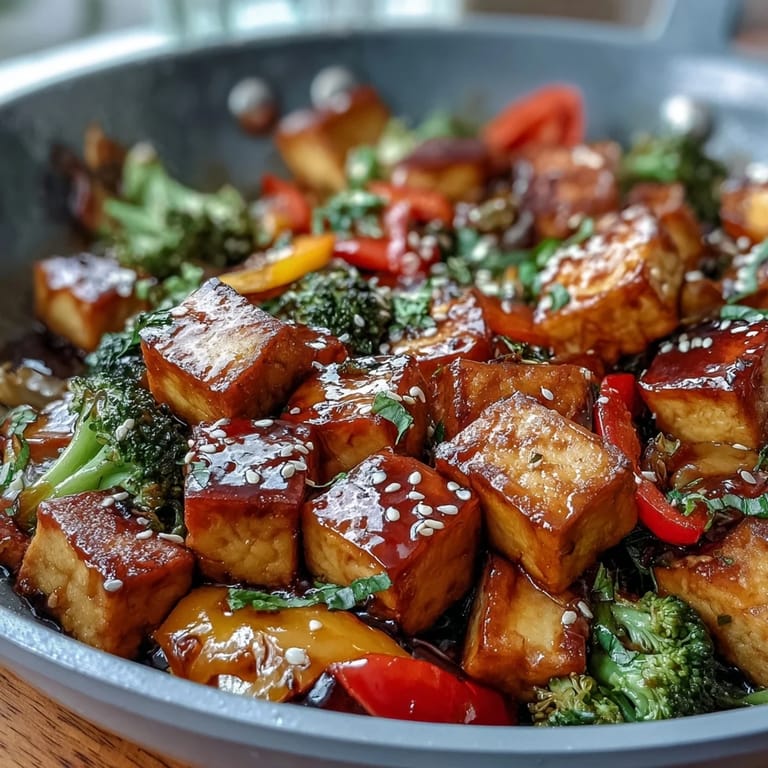
 My partner used to say they'd never understand the appeal of tofu until they bit into a piece from this pan, crispy outside and soaking in teriyaki, and suddenly understood what I'd been trying to explain for years. Food has a way of shifting perspective when it's made with intention and technique.
Customizing Your Stir-Fry
The beauty of a sheet pan stir-fry is how easily you can adapt it to what's in your fridge or what you're craving. Snap peas add a sweet crunch, sliced carrots become tender-sweet, mushrooms soak up the glaze like tiny flavor sponges, and zucchini brings a mild earthiness. I've made this with baby bok choy and cauliflower, with green beans and water chestnuts, and every combination has felt both new and deeply familiar. The teriyaki sauce is forgiving enough that it elevates whatever vegetables you choose, so think of the recipe as a template rather than a strict instruction.
The Science of Sheet Pan Cooking
High-heat roasting works its magic because the dry oven environment allows vegetables to caramelize rather than steam, concentrating their natural sugars and creating complexity from simple ingredients. Tofu benefits especially from this approach since most people's only experience with it comes from stir-fries where it sits in liquid and absorbs neither flavor nor texture properly. The cornstarch in the teriyaki sauce isn't just a thickener—it creates a coating that clings to the vegetables and tofu, carrying flavor in every bite rather than pooling at the bottom of the pan. Once you understand how heat and timing work together, you'll find yourself reaching for the sheet pan method for dozens of other dishes.
Serving Suggestions and Pairings
Steamed jasmine rice is the classic pairing, but brown rice offers more texture and nutritional depth if that matters to you. This dish also works beautifully over noodles—thin egg noodles, ramen, or even soba if you're keeping things gluten-free—and the sauce clings to them the same way it does the vegetables. I've served this alongside cucumber salad, pickled ginger, and steamed edamame to turn it into a more elaborate meal, and I've also spooned it straight into bowls with rice for lazy weeknight eating.
- A dry Riesling or crisp white wine cuts through the richness of the sesame oil and sauce beautifully.
- Chilled green tea is the perfect beverage pairing if you prefer something non-alcoholic.
- Leftover portions reheat gently in a 350°F oven for five minutes, staying moist and flavorful.
 Save to Pinterest
 This recipe proved to me that vegan cooking isn't about deprivation or complexity—it's about understanding ingredients and letting them shine. Every time you make this, you'll develop instincts about timing and heat that'll make you a more confident cook.
Common Questions
- → How do I make the tofu extra crispy?
Tossing the cubed tofu with cornstarch before baking helps achieve a crispy exterior while keeping the inside tender.
- → Can I substitute vegetables in this dish?
Yes, snap peas, carrots, or mushrooms can be swapped in to vary the texture and flavors.
- → Is tamari a good alternative to soy sauce here?
Tamari works well as a gluten-free option and maintains the savory depth of the teriyaki glaze.
- → What type of oil is best for tossing the vegetables?
Neutral oils like avocado or canola oil are ideal for coating the tofu and vegetables before baking.
- → Can this dish be served with different grains?
Yes, jasmine or brown rice are traditional accompaniments, but quinoa or noodles can also complement the flavors.