 Save to Pinterest
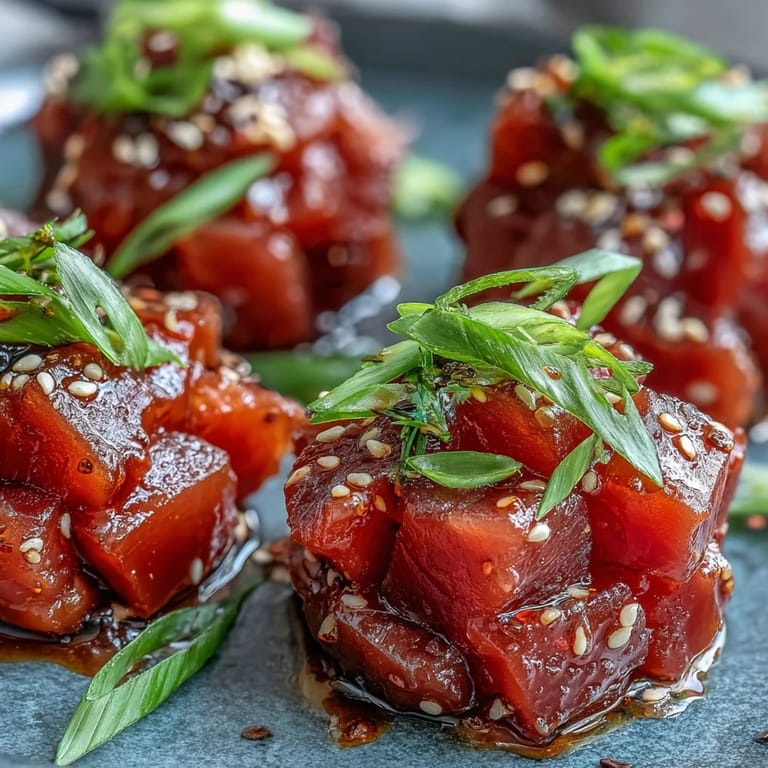
 My chef friend texted me one Thursday asking if I could handle making spicy tuna tartare for a dinner party she was hosting that weekend. I'd never made it before, but something about the simplicity of the ingredient list felt doable. Three days later, I found myself at the fish counter asking a dozen questions about sushi-grade tuna, watching the fishmonger nod knowingly at each concern. That first batch taught me that this dish is all about respecting quality ingredients and knowing when to stop fussing with them.
I served this to six people last summer on my apartment balcony, and someone asked if I'd trained as a sushi chef. I laughed because the truth was messier—I'd burned the first batch of wonton chips trying to fry them too fast, then overcompensated by leaving the second batch in the oil too long. But the tartare itself? That came together so naturally that the burnt chips became a funny story rather than a disaster.
Ingredients
- Sushi-grade tuna, 300g (10 oz), finely diced: This is where everything hinges—visit a reputable fishmonger and ask specifically for sushi-grade, which means it's been handled and frozen properly for raw consumption, and the freshness matters more than saving a dollar.
- Soy sauce, 2 tbsp: Use a good quality soy sauce here since it's tasted directly; low-sodium works if you prefer less salt, but the umami depth makes a real difference.
- Sriracha sauce, 1 tbsp (adjust to taste): Start with one tablespoon and taste as you go because sriracha heat varies wildly between brands and your guests' tolerance matters.
- Toasted sesame oil, 2 tsp: Never skip the toasting step when buying; regular sesame oil tastes bland by comparison and changes the whole flavor profile.
- Fresh lime juice, 1 tbsp: Squeeze it fresh the day of serving because bottled lime juice tastes flat and acidic in a way that takes away from the tuna's delicate flavor.
- Rice vinegar, 1 tsp: This balances the salt and heat with a subtle sweetness that keeps the dressing from becoming one-dimensional.
- Honey or agave syrup, 1 tsp: A tiny touch of sweetness rounds out the sharp flavors; agave dissolves more smoothly if you're whisking cold ingredients.
- Scallions, 2 tbsp finely chopped: Chop these just before assembly so they stay crisp and green rather than turning gray from oxidation.
- Fresh cilantro, 1 tbsp finely chopped (optional): I leave this out when serving to people unfamiliar with cilantro since it's deeply divisive, but it adds a bright herbal note if your crowd enjoys it.
- Toasted sesame seeds, 1 tsp: Toast them yourself in a dry pan for thirty seconds to wake up the nutty flavor, or buy pre-toasted and taste the difference immediately.
- Wonton wrappers, 12, cut diagonally in half: These fry quickly and shatter with the perfect crunch; cutting them diagonally gives you more surface area and a prettier presentation.
- Vegetable oil for frying: Keep it neutral so it doesn't compete with the tartare's flavors; peanut or canola both work well.
- Sea salt: Sprinkle sparingly on the warm chips since they'll continue seasoning as they cool.
- Ripe avocado, 1, diced: Add this last and fold it in gently or it becomes mush; choose an avocado that yields slightly to thumb pressure but isn't mushy.
- Lime wedges for serving: A squeeze of fresh lime just before eating brightens each bite and lets people control the acidity level.
Tired of Takeout? 🥡
Get 10 meals you can make faster than delivery arrives. Seriously.
One email. No spam. Unsubscribe anytime.
Instructions
- Heat your oil to the right temperature:
- Pour 2–3 cm (about an inch) of vegetable oil into a deep skillet and bring it to medium-high heat. The oil should shimmer and move easily but not smoke; test readiness by dropping a tiny piece of wonton wrapper in—it should sizzle and bubble instantly without burning.
- Fry the wonton chips in batches:
- Place the wonton triangles in the hot oil a handful at a time so they don't crowd and steam instead of fry. Work each batch for 30–45 seconds per side until they're deep golden and curl slightly at the edges, then lift them out with a slotted spoon and drain on paper towels while they're still warm.
- Season and cool your crispy chips:
- Sprinkle the chips lightly with sea salt right after they come out of the oil so the salt sticks to the moisture. Let them sit on the paper towels for at least five minutes before serving so they firm up completely.
- Build your dressing:
- In a small bowl, whisk together the soy sauce, sriracha, sesame oil, lime juice, rice vinegar, and honey until the honey dissolves and everything looks glossy and combined. Taste a tiny spoonful on your finger and adjust the sriracha upward if you want more heat, or add a squeeze more lime if it tastes salty.
- Dress your tuna with care:
- Place the diced tuna in a medium bowl and pour the dressing over it, then fold gently with a rubber spatula a few times until the tuna is evenly coated but not aggressively stirred. Add the scallions, cilantro if using, and sesame seeds, then fold once more to combine.
- Finish with avocado at the last moment:
- Just before plating, fold the diced avocado into the tartare gently so it stays in chunks rather than getting broken down. Move quickly here because avocado oxidizes and the tartare waits for no one.
- Plate and serve immediately:
- Arrange the tartare on a platter or divide among individual appetizer plates, leaving the presentation loose and natural rather than tightly packed. Surround or garnish with crispy wonton chips and extra lime wedges, then bring everything to the table right away while the chips are still crisp.
 Save to Pinterest
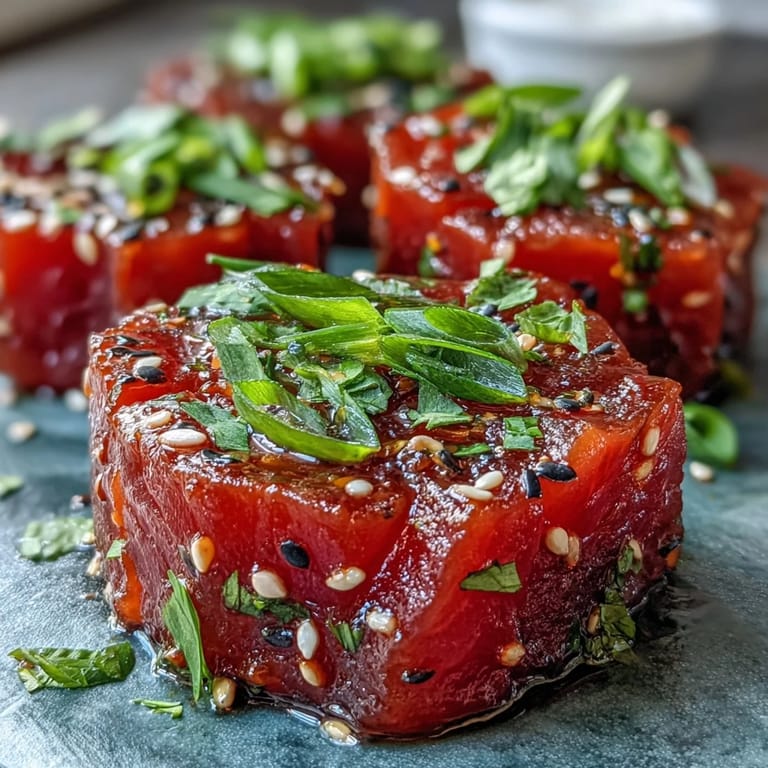
 There's a moment when someone bites into this for the first time and their eyes light up—that flash of surprise that something this elegant could come from a home kitchen. I watched that happen at a party once and realized tartare isn't fancy because it's complicated; it's fancy because it respects what's on the plate and gets out of the way.
The Wonton Chip Technique
The chips are easier than you'd think once you stop being nervous about the oil. I used to fry them in a shallow pan and they'd stick to each other, creating greasy bundles instead of individual crispy triangles. Moving to a deeper skillet and working in smaller batches changed everything—the chips had room to move, the oil stayed at the right temperature, and suddenly I had consistently golden, shatterable pieces. The sound they make when you bite into them matters too; it's the auditory confirmation that you've nailed the texture.
Balancing the Flavors
This dressing works because it plays four flavors against each other: salt from soy, heat from sriracha, acid from lime and vinegar, and a touch of sweetness from honey to smooth the edges. I learned this by making it poorly first, creating a version that was either too salty or too spicy or too vinegary with no nuance. Now I whisk the dressing separately and taste it before it ever touches the tuna, making adjustments in that small bowl where a tweak is simple rather than fixing a tartare that's already been mixed.
Sourcing and Storage Wisdom
Building trust with a good fishmonger changes everything about cooking with raw fish. I ask about when the tuna arrived, whether it's been previously frozen (which is fine and actually better for safety), and exactly how to handle it at home. Most fishmongers will happily tell you to use it the day of purchase or freeze it again if you can't, information that usually isn't printed anywhere else. Store the tuna in the coldest part of your refrigerator on a bed of ice and don't prep it until the last possible moment.
- Keep your knife sharp and damp when dicing the tuna so you create clean cuts rather than bruising the delicate flesh, which affects both texture and flavor.
- Taste-test the dressing components individually before mixing if you're using a new bottle of sriracha or different soy sauce brand, since these condiments vary in intensity.
- Assemble the tartare no more than five minutes before serving to keep the wonton chips crisp and the avocado from browning.
 Save to Pinterest
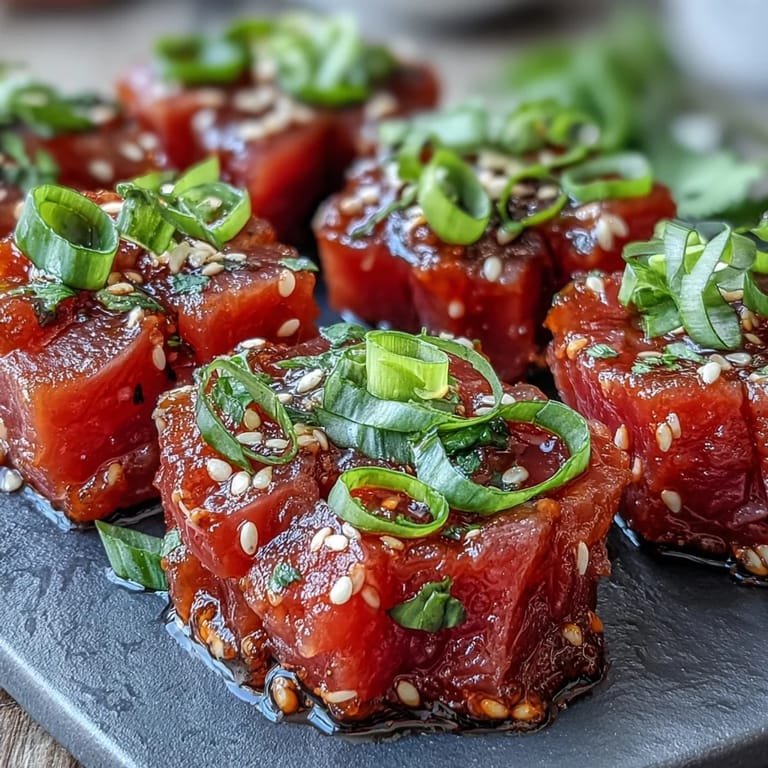
 This dish became my go-to when I want to feel like I'm cooking something restaurant-level but still want time to enjoy my guests. It's the kind of appetizer that doesn't demand constant attention once you understand the basics, which means you can be present instead of frazzled.
Common Questions
- → What type of tuna is best for this dish?
Sushi-grade tuna is preferred for its freshness and texture, ensuring safe consumption and optimal flavor.
- → How can I adjust the spiciness?
Modify the amount of sriracha sauce to taste. Start with less and add gradually for desired heat.
- → Can I prepare wonton chips ahead of time?
Wonton chips are best served freshly fried for maximum crispiness, but can be stored briefly in an airtight container.
- → What alternatives can I use for garnishing?
Diced avocado adds creaminess, but cucumber rounds or lettuce cups offer refreshing alternatives and added crunch.
- → Which drinks pair well with this dish?
A chilled dry Riesling or sparkling sake complement the vibrant flavors and balance the spice beautifully.