 Save to Pinterest
 I was scrolling through travel photos one afternoon when a friend mentioned her recent trip to Morocco, and suddenly I was craving something that tasted like warm sand and Mediterranean sun. That's when I started playing with hummus, shaping it into actual dunes on a plate, and cutting pita into jagged triangles that looked like they'd been sculpted by wind. The whole thing came together in under an hour, and now whenever I make it, that appetizer brings back the feeling of wanderlust without leaving my kitchen.
The first time I served this to my book club, someone asked if I'd bought it from a fancy restaurant, and I won't lie—that moment felt pretty good. Watching people's faces light up when they realized the landscape on the plate was actually creamy, garlicky hummus made me understand why food artists do what they do. It became the thing people requested at every gathering after that.
Ingredients
- Chickpeas (one 15 oz can, drained and rinsed): These become the silky base of your hummus—the kind where you can barely tell it started in a tin.
- Tahini (3 tablespoons): This sesame paste is what transforms chickpeas from beans into something luxurious; don't skip it or use peanut butter as a substitute.
- Fresh lemon juice (2 tablespoons): The acid that brightens everything and keeps the hummus from tasting flat or one-dimensional.
- Extra-virgin olive oil (2 tablespoons, plus more for drizzling): Good quality matters here since you taste it directly—it should smell grassy and peppery.
- Garlic clove (1, minced): Just one is enough if you're using fresh; garlic powder will make it taste stale by comparison.
- Ground cumin (1/2 teaspoon): The spice that whispers of the Sahara and ties the whole dish to its theme.
- Fine sea salt (1/2 teaspoon, adjust to taste): Taste as you go because you might need more depending on your other ingredients.
- Cold water (2–3 tablespoons): Added slowly, this is your secret to creamy hummus that doesn't become gluey.
- Pita breads (4 large, white or whole wheat): Cut into irregular triangles that feel more natural and playful than perfect shapes.
- Smoked paprika (1/2 teaspoon): Adds a subtle depth that plain paprika just can't deliver.
- Sumac or sweet paprika (pinch for garnish): The final touch that makes the plate look intentional and artistic.
- Fresh parsley leaves (optional but recommended): A whisper of green makes the whole thing feel alive.
Tired of Takeout? 🥡
Get 10 meals you can make faster than delivery arrives. Seriously.
One email. No spam. Unsubscribe anytime.
Instructions
- Heat your oven and prep your workspace:
- Set the oven to 375°F and line your baking sheet with parchment—this prevents sticking and makes cleanup effortless. Having everything ready before you start cooking is half the battle.
- Shape the pita into dunes:
- Cut your pita breads into irregular, curved triangles that look like they've been naturally shaped by wind. There's no right way to do this, so embrace the imperfect shapes.
- Season and brush the chips:
- Brush both sides of each pita triangle lightly with olive oil using a pastry brush, then sprinkle with smoked paprika, cumin, and salt. The spices should stick to the oil, creating a light, even coating.
- Bake until golden and crisp:
- Arrange the pita pieces in a single layer and bake for 8–10 minutes, turning them halfway through for even cooking. You'll know they're done when they're golden and they sound crispy when you tap them.
- Make the hummus while chips cool:
- Add chickpeas, tahini, lemon juice, olive oil, minced garlic, cumin, and salt to your food processor. Blend until completely smooth, pausing to scrape down the sides.
- Achieve the perfect consistency:
- Add cold water one tablespoon at a time, blending between additions, until the hummus is creamy but holds its shape. This usually takes 2–3 tablespoons, but it depends on your food processor.
- Taste and adjust your seasoning:
- Take a spoonful and really taste it—you might want more lemon juice for brightness, more salt for depth, or a tiny pinch of cayenne for heat. Trust your palate here.
- Sculpt your dunes:
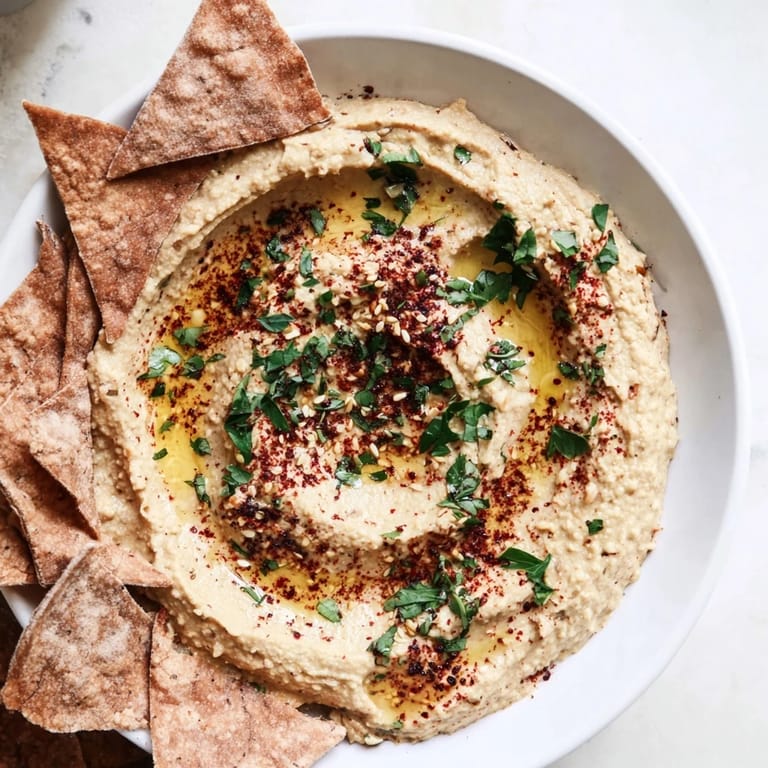
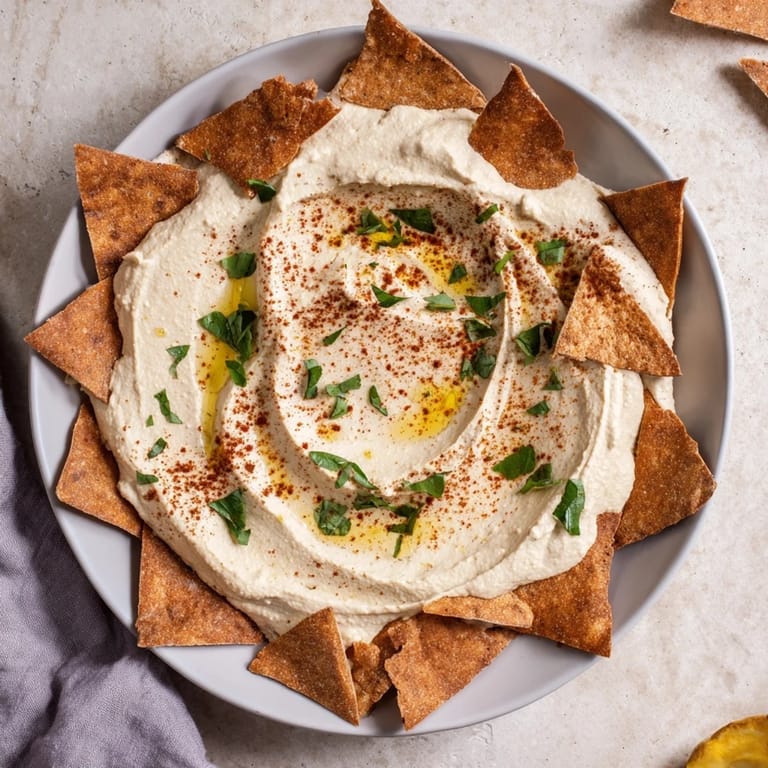
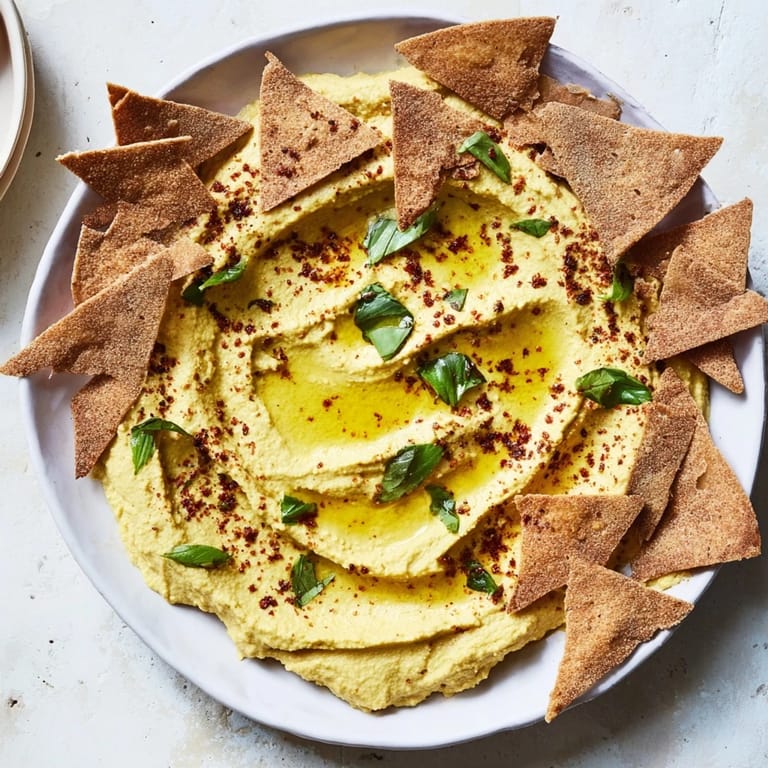
- Use a spoon or offset spatula to create smooth, undulating mounds of hummus on your serving platter. Think of it like sculpting sand, where each mound should feel organic and slightly different from the last.
- Finish with oil and garnish:
- Drizzle the hummus generously with olive oil, dust with sumac or sweet paprika, and scatter fresh parsley leaves across the top. Arrange your pita chips around the hummus like they're blowing in from the desert.
 Save to Pinterest
 There's something almost meditative about shaping hummus into dunes, turning a plate into landscape art. It taught me that presentation matters not just for Instagram, but because when food looks intentional, people eat differently—more slowly, more gratefully.
Why This Dish Sparked Joy
This appetizer landed in my life at a moment when I was craving adventure but stuck at home. Creating a little Sahara on a plate became my small way of traveling, and sharing it with people who got what I was trying to do felt like sharing a secret. Now it's the one thing I reach for when I want to impress without stress.
Making It Your Own
The beauty of hummus is how forgiving it is—roasted garlic becomes smoky and sweet, a pinch of cayenne adds heat, a spoonful of harissa brings complexity. I've made versions with sun-dried tomatoes, roasted beets, even za'atar swirled on top, and each one told a different story. The pita chips are equally flexible; I've used za'atar seasoning, dukkah, or just salt and pepper when I was being minimalist.
Serving Ideas and Pairings
Serve this alongside a crisp Sauvignon Blanc or a cold beer, and watch how the flavors brighten against each other. Sliced cucumbers and carrots aren't just garnish—they're refreshing bites that cut through the richness of the tahini and oil. I've also served it alongside olives, roasted almonds, and fresh figs, turning it into a full spread that feels like a feast.
- Pair with hummus-friendly drinks like sparkling water with lemon or mint tea to balance the richness.
- Set out small plates and forks so people can actually eat without ending up with hummus on their shirt.
- Make extra pita chips because everyone eats them before the hummus is even half gone.
 Save to Pinterest
 Every time I make The Sahara Dune, I'm reminded that the simplest dishes—with good ingredients and a little creativity—can transport people somewhere unexpected. That's the magic worth cooking for.
Common Questions
- → How do I get the hummus to be so smooth?
Using a food processor and adding cold water gradually helps achieve a creamy, smooth texture in the hummus.
- → What spices give the pita chips their unique flavor?
Smoked paprika, ground cumin, and a touch of sea salt create the distinctive, warm seasoning for the pita chips.
- → Can the pita chips be made gluten-free?
Yes, gluten-free pita or crackers can be substituted to accommodate gluten-free diets without compromising taste.
- → How should I shape the hummus for the best presentation?
Use a spoon or offset spatula to sculpt smooth, undulating mounds resembling desert dunes on the serving platter.
- → What garnishes enhance the overall flavor?
Drizzling extra virgin olive oil, sprinkling ground sumac or sweet paprika, and adding fresh parsley leaves bring color and complexity.