 Save to Pinterest
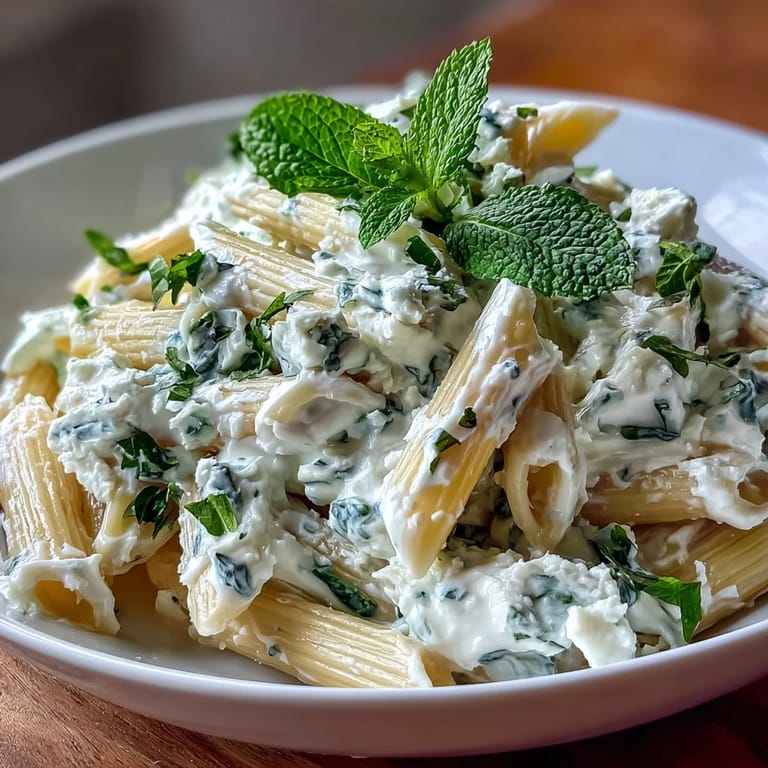
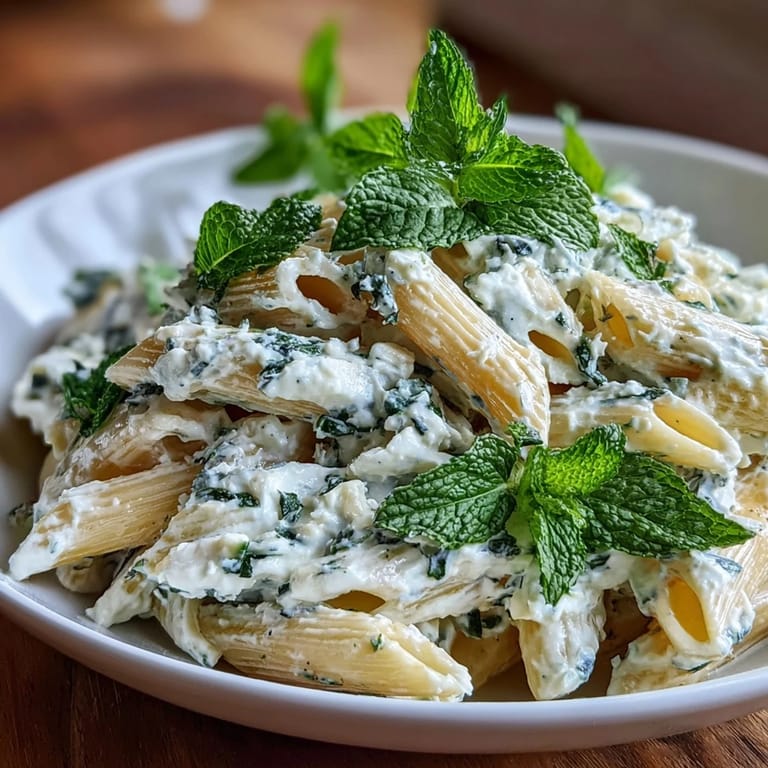
 There's a moment every spring when I stand in the kitchen and realize I've been eating heavy food for too long. That's when this pasta finds its way onto my counter—no planning required, just the sudden urge to taste something bright and alive. The ricotta melts into the pasta water like magic, creating this cloud of creaminess that somehow feels lighter than any butter-based sauce I've made. Fresh mint and lemon zest do the heavy lifting here, turning what could be ordinary into something that tastes like May.
I made this for my neighbor last summer when she'd just moved in with boxes everywhere. She was overwhelmed and tired, and I remembered her mentioning she loved Italian food. Twenty minutes later, we were sitting on her porch with bowls of this, and she literally said the mint made her feel like the move wasn't so bad after all. Sometimes a dish becomes part of someone's story without you even meaning for it to.
Ingredients
- Pasta (350g): Short shapes like penne or fusilli work best because they catch the creamy sauce in all their little crevices—avoid long pasta here, it'll just slide around.
- Fresh or frozen peas (250g): If you can find fresh spring peas, use them, but honestly frozen ones are picked at peak ripeness and taste just as good, sometimes better.
- Garlic (2 cloves): Finely chopped and cooked gently in oil is your flavor foundation—burnt garlic ruins everything, so keep the heat medium.
- Lemon zest (from 1 unwaxed lemon): This is where half the brightness comes from, so don't skip it or use that bottled stuff.
- Ricotta cheese (250g): The creamy heart of this dish—use whole milk ricotta if you can find it, it's lusher and less grainy than low-fat versions.
- Parmesan cheese (50g grated): A proper wedge grated fresh tastes entirely different from pre-grated, but either works in a pinch.
- Fresh mint (1 small bunch): Don't chop this until the last moment or it bruises and turns dark—tear it by hand if you're worried.
- Extra-virgin olive oil (2 tbsp): This is a supporting actor, so use something you actually like drinking.
Tired of Takeout? 🥡
Get 10 meals you can make faster than delivery arrives. Seriously.
One email. No spam. Unsubscribe anytime.
Instructions
- Boil the pasta:
- Fill a large pot generously with water and salt it like the sea—this is your only chance to season the pasta itself. Get it to a rolling boil before the pasta goes in, and set a timer for 2 minutes before the package says it's done.
- Cook the garlic and peas:
- While pasta cooks, warm olive oil in a large pan over medium heat and add your chopped garlic, listening for that toasted fragrance. When the peas hit the pan, they should brighten up almost immediately if fresh, or take a few minutes longer if frozen.
- Combine pasta and peas:
- Drain the pasta but first scoop out a cup of that starchy cooking water into a measuring cup—you'll need it soon. Toss the hot pasta with the peas and garlic, coating everything evenly.
- Create the creamy sauce:
- Pull the pan off the heat and stir in the ricotta like you're folding in something precious, then add lemon zest and Parmesan. Slowly add pasta water a splash at a time until you get a sauce that coats the back of a spoon without pooling.
- Finish and serve:
- Taste and season boldly with salt and pepper, knowing the pasta water is helping carry flavors. Scatter the remaining mint and extra Parmesan on top.
 Save to Pinterest
 My mother once told me that Italian cooking is really just about respecting your ingredients—not drowning them in technique or complicated steps. This dish proved her right. Every element shows up clean and clear: you can taste the sweetness of the peas, the tang of lemon, the herbal snap of mint, the earthiness of ricotta. It's the kind of meal that makes you feel like you're eating well.
Why Frozen Peas Might Actually Be Better
I spent years thinking fresh was always superior until I read about how frozen vegetables are processed within hours of harvest, locking in nutrients and flavor that fresh produce sometimes loses during transport and storage. Fresh spring peas from a farmers market are a joy, but a bag of frozen peas in your freezer is honest convenience—they cook beautifully and taste clean without any frozen-food aftertaste if you treat them right.
The Mint Situation
Mint can disappear into a dish if you're not careful, or it can taste like you're chewing toothpaste if you overdo it. The trick I've learned is splitting the mint in half—some goes in off-heat where it stays fresh and green, and some goes on top as a final flourish where your mouth actually encounters it. Fresh mint should be added at the end of cooking whenever possible, which is why this recipe works so well.
Variations That Actually Work
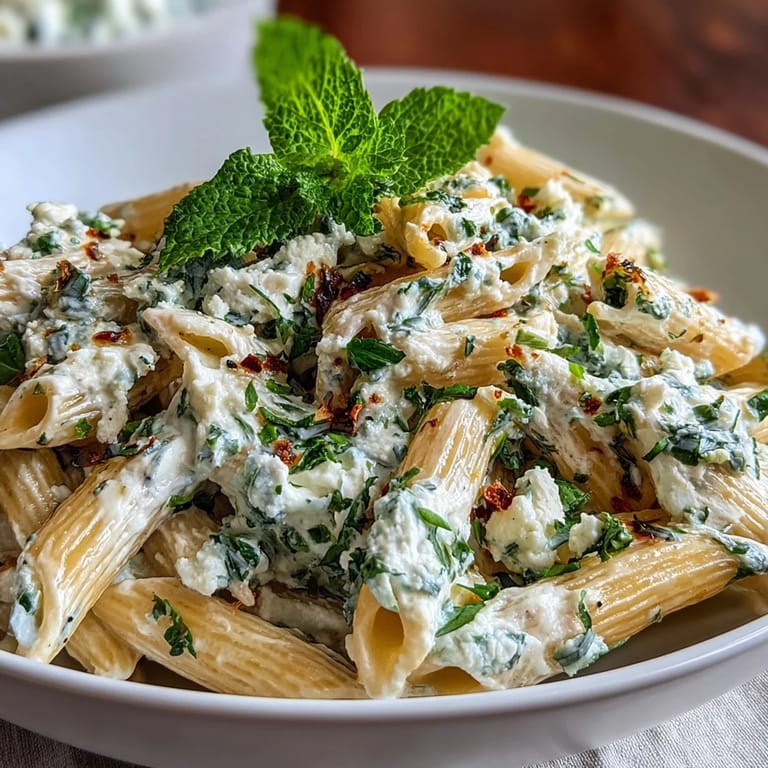
Once you understand how this sauce comes together, you can play around without breaking anything. Spinach or arugula add earthiness, toasted pine nuts bring crunch, and a whisper of red pepper flakes creates tension against all that cream. Some people finish with a squeeze of fresh lemon juice instead of zest, which brightens everything one more time at the table.
- Baby spinach wilts right into the sauce if you stir it in while the pan is still warm but off heat.
- Pine nuts toasted dry in a pan for 2 minutes before serving add texture without needing extra fat.
- A tiny pinch of red pepper flakes scattered on top creates a sophisticated finish that looks intentional.
 Save to Pinterest
 This pasta is spring in a bowl, the kind of thing that makes you grateful for warm weather and fresh herbs. Make it when you're in the mood for something that tastes effortless but actually delivers real flavor.
Common Questions
- → Can I use frozen peas instead of fresh?
Yes, frozen peas work well. Cook them slightly longer until tender and bright green to preserve flavor and texture.
- → How can I make the sauce creamier?
Reserve some pasta cooking water and add it gradually when mixing ricotta and Parmesan to create a smooth, creamy sauce.
- → Which pasta shapes are best for this dish?
Short pasta like penne, fusilli, or orecchiette hold the creamy sauce well and complement the peas and ricotta beautifully.
- → What can I add for extra freshness?
Try stirring in baby spinach or arugula leaves along with the peas for added color and a fresh flavor boost.
- → Is there a recommended wine pairing?
A crisp white wine such as Sauvignon Blanc or Pinot Grigio enhances the dish’s bright and creamy elements nicely.
- → Can I substitute the cheeses for a vegan option?
Yes, use plant-based ricotta and Parmesan alternatives to maintain the creamy texture and umami flavor.