 Save to Pinterest
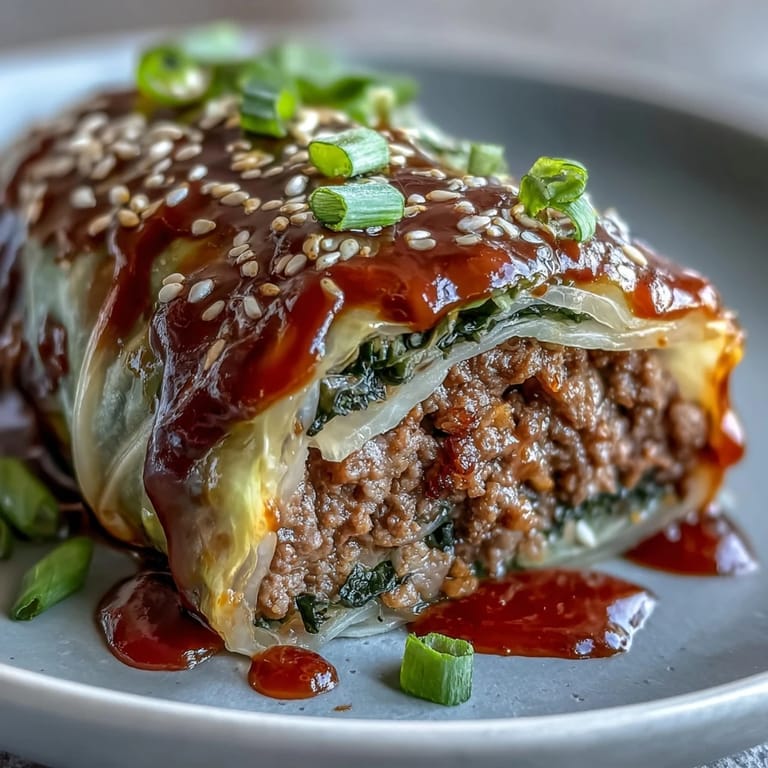
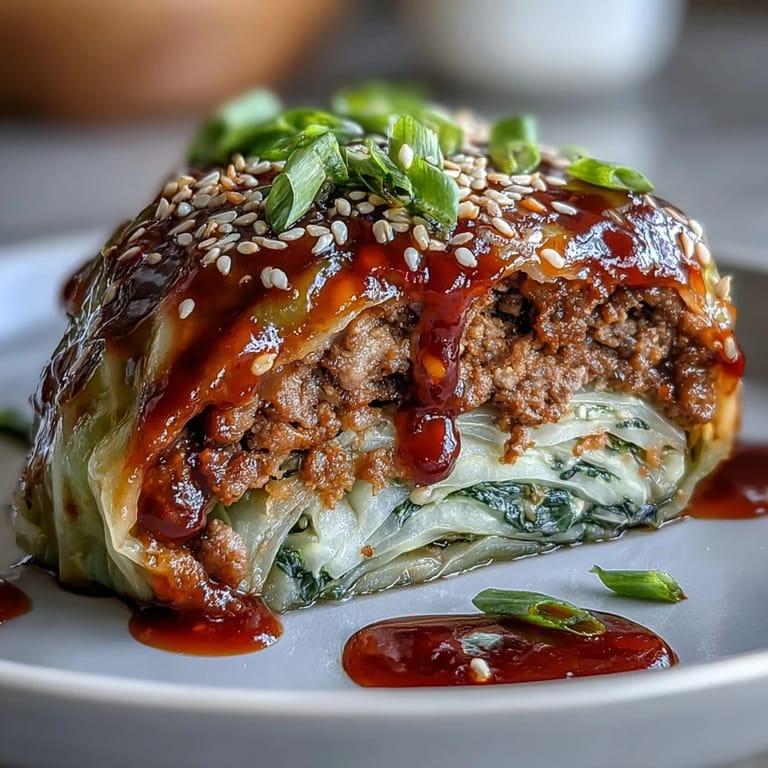
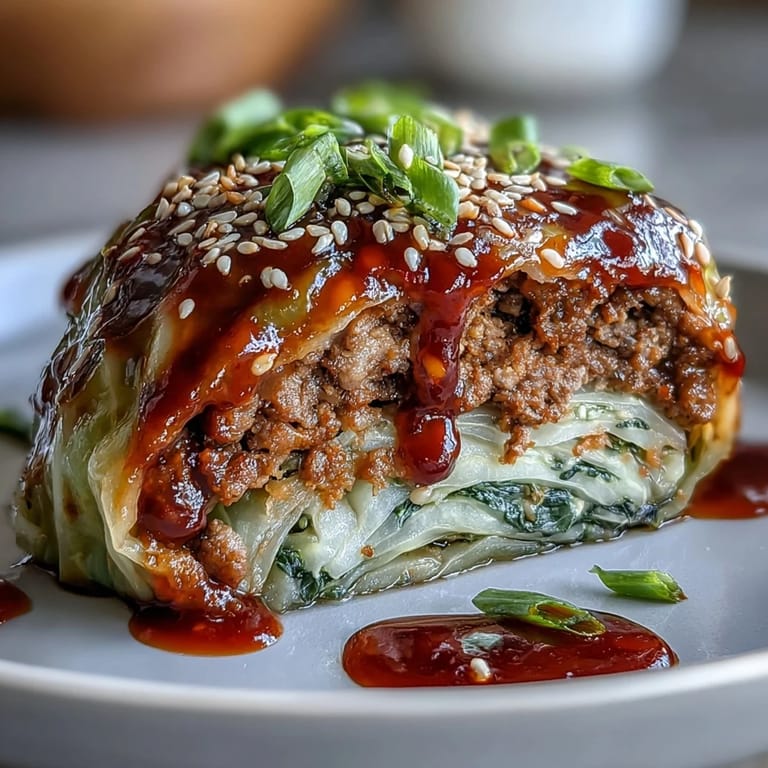
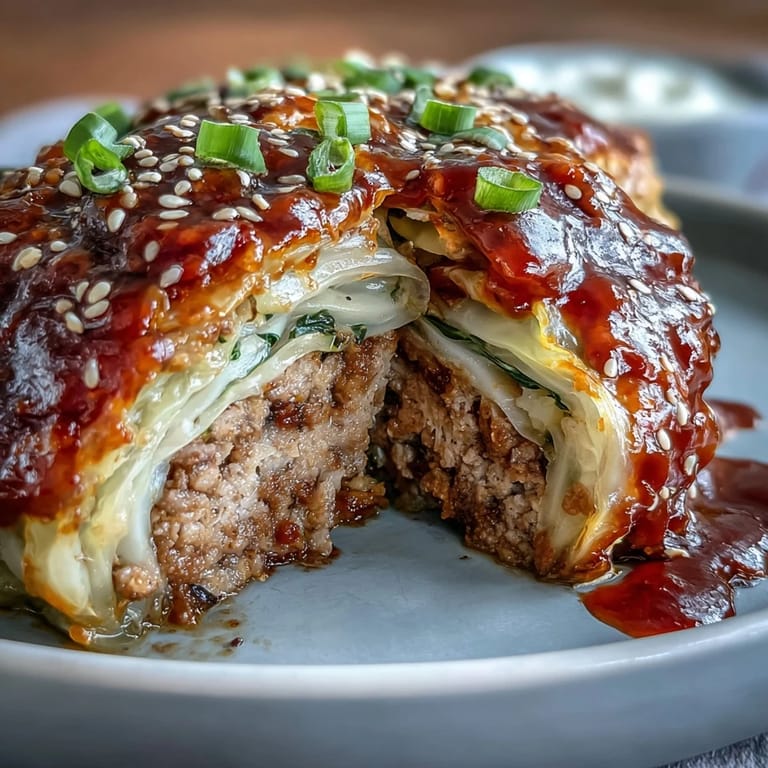
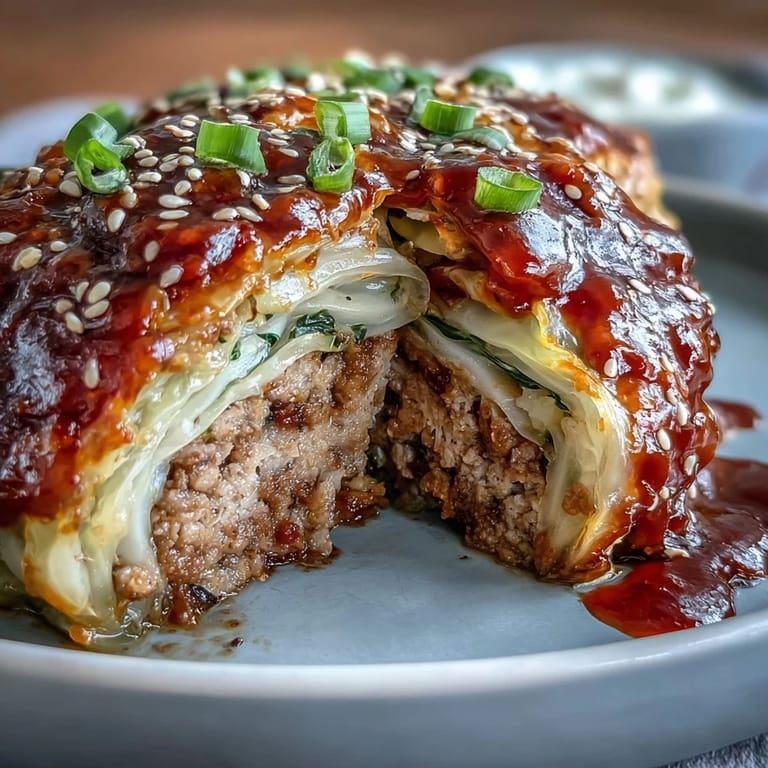
 Steam rising from a basket got my attention before I ever tasted Korean cabbage rolls: the gentle hiss, the earthy aroma of cabbage, and the faintly sweet scent of ginger all have a way of turning a quiet kitchen moment into a small adventure. The first time I took a chance on this recipe, it was the kind of weekday evening where you hope for a dinner that'll both wake up your palate and reward your patience a little. Compared to the usual, these rolls feel like the result of a late-night craving colliding with a spark of inspiration. Honestly, I was surprised by how fun it is to tuck the spiced beef inside each pliant cabbage leaf, assembling tidy parcels that steam up glossy and tender. A swirl through the savory-sweet dipping sauce seals the deal in a way rice paper or lettuce wraps just can't match.
One chilly spring night, with rain tapping the windows, I made these cabbage rolls for friends squeezed around my little table, and the laughter that filled the room was practically as steamy as the kitchen. Somebody insisted on rolling their own, promptly overfilling it and causing a cabbage-leaf rupture, which became the night's running joke. We kept alternating between chopsticks and fingers, dipping, laughing, and eating until plates were clean. It made me realize that the real fun of this recipe is sharing the mess and delight of the making, not just the finished rolls. Even now, I remember the way the gochujang’s heat bounced off the cool crunch of Napa cabbage and how nothing ever stuck around for leftovers.
Ingredients
- Napa cabbage: Its wide, tender leaves are easy to roll and have just the right structure for steaming—blanch them just enough to turn flexible.
- Ground beef: Rich and meaty, it soaks up the seasoning—use lean or regular, but not extra fatty for best texture inside the rolls.
- Green onions: They bring freshness and a faint bite, so don't mince them too small or too coarse.
- Garlic: Adds depth and warmth—smash the cloves gently before mincing to unlock the fragrance.
- Carrot: Grated for subtle crunch and color, its natural sweetness balances the spice.
- Fresh ginger: Don’t skip it—grating releases its juice and fragrance more fully than chopping.
- Gochujang (Korean chili paste): The heart of the heat and savor—adjust to taste, but try not to skip if you want true flavor.
- Soy sauce: Salty and robust, it anchors the filling and the dipping sauce.
- Sesame oil: Nutty aroma brings depth to both filling and sauce—add it last to preserve potency.
- Sugar: Just a touch to round out the salty and spicy notes—taste the filling to dial it in.
- Black pepper: For an undercurrent of heat—freshly ground is worth it.
- Toasted sesame seeds: They bring texture and toasty flavor—sprinkle some into the filling and over the rolls to finish.
- Rice vinegar: Gives the dipping sauce its tang—balance carefully with honey.
- Gochugaru (Korean chili flakes): Optional for even more heat—adds color and subtle fruitiness.
- Honey: Just enough to take the edge off the vinegar’s sharpness.
Tired of Takeout? 🥡
Get 10 meals you can make faster than delivery arrives. Seriously.
One email. No spam. Unsubscribe anytime.
Instructions
- Prep the Cabbage:
- Bring a big pot of water to a full boil and carefully ease off about a dozen cabbage leaves. Dunk the leaves for 1 to 2 minutes, just until they're soft and bendy, then plunge into cold water to stop the cooking; pat completely dry so they’ll roll easily.
- Mix the Filling:
- In a large bowl, toss in the ground beef, green onions, garlic, carrot, ginger, gochujang, soy sauce, sesame oil, sugar, black pepper, and sesame seeds. Use clean hands to mix and squeeze it all together—don't be shy here; you want everything fully combined and slightly sticky.
- Shape the Rolls:
- Lay a cabbage leaf flat (stem side nearest you), scoop 2–3 tablespoons of filling at the base, fold both sides in, and roll up snugly from the stem end. Tuck the seam underneath; repeat with all your leaves and filling, lining up your little rolls like soldiers awaiting steam.
- Steam Everything:
- Arrange the rolls seam-side down in a single layer in a steamer basket. Cover and steam over simmering water for 15–20 minutes (peek at one to make sure the beef is cooked through).
- Make the Dipping Sauce:
- While the rolls are steaming, whisk together soy sauce, rice vinegar, gochugaru, sesame oil, honey, garlic, and sesame seeds in a small bowl until glossy.
- Serve and Enjoy:
- Let the rolls rest for a minute before serving them hot, with plenty of sauce on the side for dipping and drizzling.
 Save to Pinterest
  Save to Pinterest
 The first time my family went silent at the table was thanks to these rolls—everyone was too busy scooping up bites and chasing every last drop of dipping sauce to say a word. That’s when I knew this recipe was no longer just something I’d scribbled down: it had officially earned its place in our regular dinner rotation.
The Secret to Perfect Rolling
Rolling cabbage leaves is a soothing rhythm once you get the hang of it: keep the base thick enough for support, and don’t overfill, or they’ll burst mid-steam. Loosen any stubborn stems by slicing away the thickest part—it makes wrapping seamless and prevents tearing. I like to line up all the filling and leaves before assembling, so the process flows without stopping for cleanup every few minutes.
Sauce That Steals the Show
Don’t underestimate the dipping sauce: its salty-sweet punch makes the rolls sing, and guests often ask what magic ingredient is inside. A drizzle of toasted sesame oil right before serving deepens the fragrance, and it’s totally fair game to add extra gochugaru if you like a bolder kick. Sometimes I double the dipping sauce if I know people will want more for their rice.
Making It Your Own
If you’re feeling adventurous, swap in ground pork or turkey for a new spin—the seasoning loves any protein you throw at it. Vegetarians, feel free to try tofu crumbles or even mushrooms as a protein base, just be sure to press out any excess moisture for best texture.
- Chill extra rolls overnight—they reheat perfectly for lunch the next day.
- If rolls crack slightly, just nestle them closer in the steamer—nobody will notice.
- Have extra sauce handy—the real secret is letting everyone add as much as they like.
 Save to Pinterest
  Save to Pinterest
 Each spicy, savory roll is its own little care package—steamy, fragrant, and meant to be shared. If you find yourself making them twice in one week, you’ll be in good company.
Common Questions
- → How long should I blanch the cabbage leaves?
Blanch leaves 1–2 minutes until pliable, then shock in cold water to stop cooking. Pat dry to prevent extra moisture when rolling.
- → What is the ideal steaming time?
Steam the rolls over simmering water for 15–20 minutes, depending on thickness, until the meat is cooked through and juices run clear.
- → How can I reduce the heat level?
Use less gochujang and omit gochugaru in the dipping sauce. You can also add a touch more honey or soy sauce to balance spiciness.
- → Can I prepare these ahead and reheat?
Assemble and refrigerate up to a day before steaming. Reheat gently in a steamer for 8–10 minutes or steam from cold until heated through.
- → What are good filling substitutions?
Swap ground beef for pork or turkey, or use a mix of finely chopped mushrooms and tofu for a lighter option while keeping the same seasonings.
- → How do I avoid soggy rolls?
Thoroughly drain and pat dry blanched leaves and avoid overfilling. Arrange seam-side down in the steamer so rolls hold their shape as they cook.