 Save to Pinterest
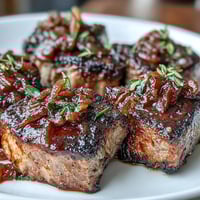
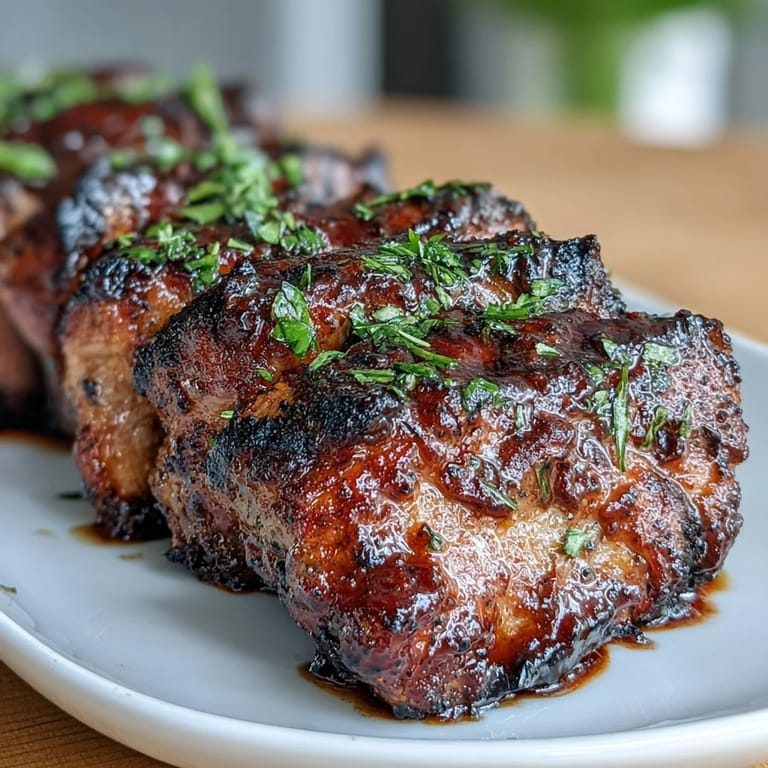
 A friend handed me a plate of jerk spiced pork at a rooftop dinner in Brooklyn, and I was completely unprepared for how alive my mouth felt. The heat wasn't aggressive—it was welcoming, layered with warm spices that made me keep reaching for another slice. That evening, I decided to chase that feeling in my own kitchen, and this tenderloin became the dish I'd return to again and again whenever I wanted something that felt both exciting and comforting.
The first time I made this for my sister's birthday dinner, I panicked about the Scotch bonnet—I've never been comfortable with truly hot peppers. But wearing gloves and keeping my fingers away from my face made all the difference, and the pepper's fruity, complex heat ended up being the soul of the dish. She took a bite, closed her eyes, and said nothing for a few seconds, which meant I'd done something right.
Ingredients
- Pork tenderloin (1 to 1.25 lbs, trimmed): This cut is naturally tender and cooks quickly, so you won't end up with something dry if you're not paying close attention.
- Olive oil: It carries the flavors into the meat and helps the coating stick during roasting.
- Soy sauce: Adds umami depth; use gluten-free if that matters to your table.
- Brown sugar: Balances the heat and helps create a light crust as it roasts.
- Fresh lime juice: The brightness cuts through the spices and keeps everything from tasting heavy.
- Ground allspice, cinnamon, and thyme: These three are the backbone of authentic jerk flavor—don't skip or swap them out lightly.
- Smoked paprika: Gives you that subtle barbecue undertone without needing an actual grill.
- Salt and black pepper: Basic seasoning, but measured carefully so the Scotch bonnet's heat shines.
- Cayenne pepper (½ teaspoon, adjustable): If you're sensitive to heat, start with less and taste as you go.
- Garlic and green onions: Fresh aromatics that keep the dish from tasting like a spice jar.
- Scotch bonnet or habanero pepper: Handle with gloves—this pepper is the heat engine, but it's fruity and complex, not just painful.
- Lime wedges and cilantro: Serve alongside for brightness and a fresh finish.
Tired of Takeout? 🥡
Get 10 meals you can make faster than delivery arrives. Seriously.
One email. No spam. Unsubscribe anytime.
Instructions
- Set your oven and prep your space:
- Heat your oven to 425°F and line a baking sheet with foil or parchment—this keeps cleanup simple and prevents sticking. Everything moves faster when you're ready.
- Build your marinade:
- In a small bowl, whisk together the olive oil, soy sauce, brown sugar, lime juice, and all the spices—allspice, cinnamon, thyme, paprika, salt, pepper, and cayenne. This is where the magic happens, so don't rush it; let the flavors mingle for a moment as you whisk.
- Prepare the pork:
- Pat your tenderloin completely dry with paper towels—this helps the marinade stick better and encourages browning. Place it on your prepared sheet.
- Coat generously:
- Rub the jerk mixture all over the pork, getting into the nooks and making sure every side glistens. If you're in a hurry, let it sit for 10 to 15 minutes at room temperature; if you have time, cover it loosely and refrigerate for up to 4 hours for deeper flavor.
- Roast until juicy:
- Put the pork in your preheated oven and roast for 20 to 25 minutes, depending on thickness. Check it with an instant-read thermometer—you're aiming for 145°F in the thickest part, which keeps it pink and tender inside.
- Rest before slicing:
- Pull the pork from the oven and loosely tent it with foil for 5 to 10 minutes—this step is not optional if you want juicy slices. The meat continues cooking slightly and the juices redistribute.
- Slice and serve:
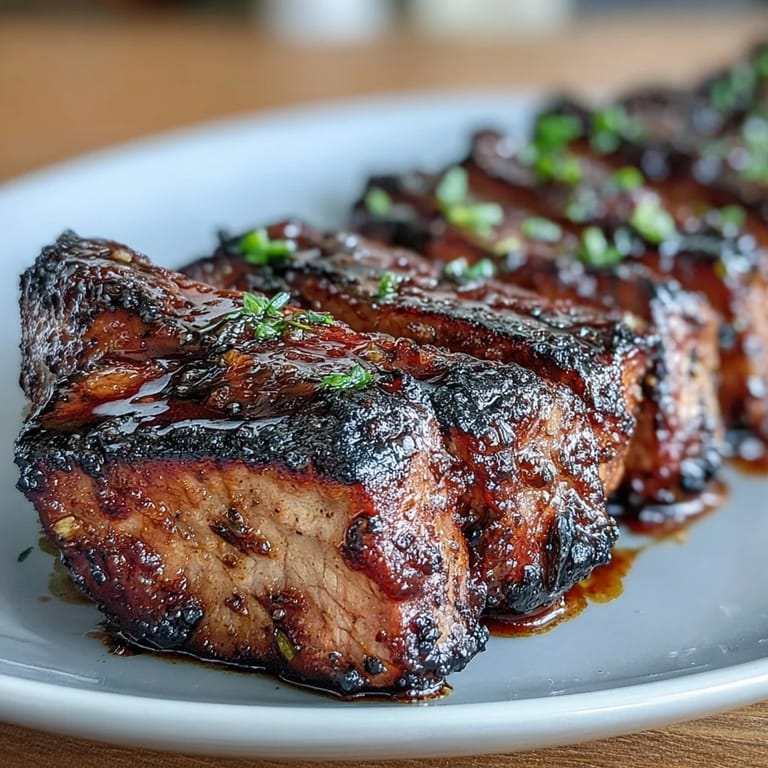
- Cut the pork crosswise into thick slices and arrange on a plate with lime wedges and fresh cilantro if you like the extra brightness.
 Save to Pinterest
 There's a moment when you taste something and realize why a whole cuisine exists around those flavors—why Caribbean cooking uses these spices and heat in this particular way. Eating this pork with my hands, getting sticky from the lime, wiping my mouth with a napkin, and reaching for another slice felt like understanding something ancestral. It stopped being just dinner and became a conversation.
Adapting the Heat Level
Heat is personal, and there's no shame in dialing it down or cranking it up depending on who's eating. If you're cooking for people who flinch at spice, remove the seeds completely from the Scotch bonnet before mincing—this cuts the heat by almost half while keeping the fruity flavor. On the flip side, if your crew loves fire, leave some seeds in and bump the cayenne up to three-quarters of a teaspoon. I've learned that the best meal is one where everyone at the table is actually enjoying their food, not suffering through it to be polite.
What to Serve Alongside
This pork is bold enough to hold its own, but it shines brightest with something that balances or complements it. Rice and peas (the Caribbean way, cooked with coconut milk) is the traditional pairing and honestly, it's traditional for a reason. Grilled pineapple adds sweetness and a charred edge that plays beautifully against the jerk spices, or go simple with a crisp green salad and avocado if you want to keep things light.
Making Leftovers Work
Cold pork tenderloin becomes something entirely different the next day—it's firmer, easier to slice thin, and the flavors have settled into a more mellow place. I've layered it into sandwiches with pickled red onions and mayo, wrapped it in tortillas with avocado and cilantro, or shredded it and tossed it with noodles and a little lime dressing for a quick lunch. You might actually find yourself roasting extra with leftovers in mind.
- Slice leftovers thin for sandwiches or wraps the next day.
- Shred any remaining pork and toss with noodles, greens, or rice for a completely different meal.
- Store in an airtight container in the fridge for up to four days.
 Save to Pinterest
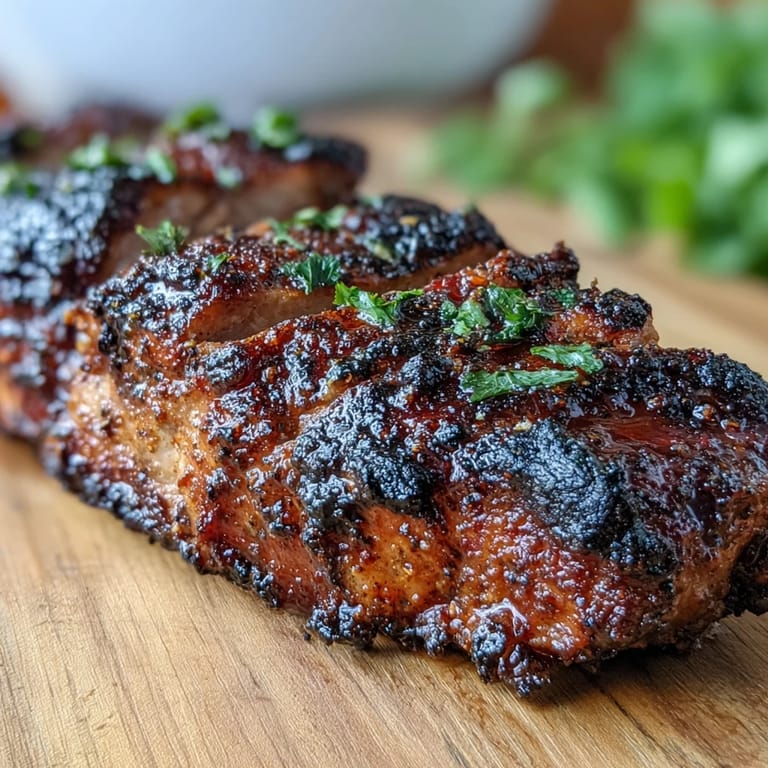
 This dish proves that bold flavors and simple technique can make something memorable. You don't need hours of fussing or a fancy kitchen to taste the warmth and character of Caribbean cooking.