 Save to Pinterest
 My daughter came home from school one afternoon with a note about a field trip, and suddenly I was that parent scrambling to pack something the kids would actually eat. Store-bought granola bars felt lazy, fruit got bruised, and then I remembered my neighbor's brilliant trick: snack cups with hummus. The first time I assembled them, watching her eyes light up at the little vegetable sticks standing like colorful soldiers in creamy hummus, I knew I'd stumbled onto something special. Now these cups are my go-to for anything requiring portable food, and honestly, I sneak one for myself before packing the lunch box.
I still remember packing these for my son's soccer tournament last spring—it was sweltering, and I was genuinely worried the hummus would separate or the veggies would wilt. Instead, they stayed cool and crisp in the cooler all morning, and by halftime, his entire team was asking where he got those fancy snack cups. He proudly showed them off like they were gourmet treats, and I realized it wasn't about fancy at all—it was about how much more appealing food becomes when it's presented thoughtfully.
Ingredients
- Hummus: The creamy base that holds everything together—use store-bought if you're short on time, but homemade gives you control over salt and spices, which matters when feeding picky eaters.
- Carrots: Their natural sweetness makes them a gateway vegetable for skeptical kids, and they stay satisfyingly crisp for days.
- Cucumber: Refreshing and hydrating, though cut them thicker than you think or they'll get floppy by day two.
- Red and yellow bell peppers: The colors matter more than you'd expect—they make the cup look like edible art, and somehow that encourages actual eating.
- Snap peas: These are crowd-pleasers because they're naturally sweet and fun to crunch, plus they photograph beautifully.
- Cherry tomatoes: Leave these whole and nestle them in—they add juiciness and visual appeal without extra cutting.
- Celery and jicama (optional): Celery adds that classic crunch, while jicama brings a subtle sweetness and novelty factor that can surprise people in the best way.
Tired of Takeout? 🥡
Get 10 meals you can make faster than delivery arrives. Seriously.
One email. No spam. Unsubscribe anytime.
Instructions
- Wash and prep your vegetables:
- Rinse everything under cool water and pat dry—any excess moisture clinging to the vegetables will make them soggy faster. Peel the carrot, halve the cucumber lengthwise to remove watery seeds, and seed the peppers before cutting into strips.
- Portion out the hummus:
- Divide it evenly among your cups, about a quarter cup each, smoothing the top slightly so it looks intentional. This isn't just measurement—a flat surface gives the vegetables a stable base to stand in.
- Arrange the vegetables with intention:
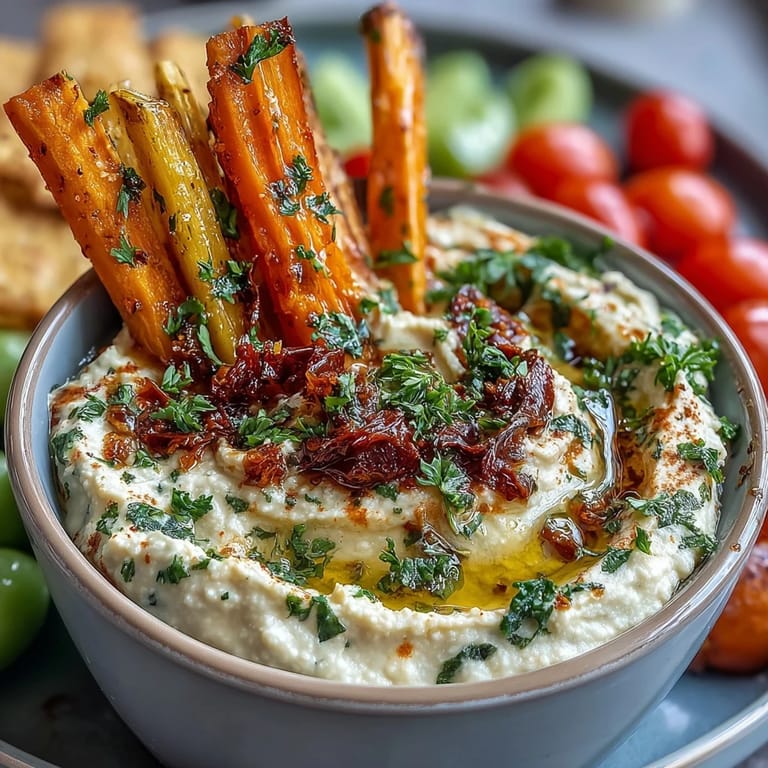
- Stand the sticks upright in the hummus like you're creating a little edible bouquet, alternating colors as you go. This takes maybe two extra minutes but transforms a snack into something that feels special.
- Seal and chill:
- Pop the lids on and refrigerate until you're ready to go—they'll stay fresh and crisp for up to two days, though they're best consumed within that window when everything's at its peak.
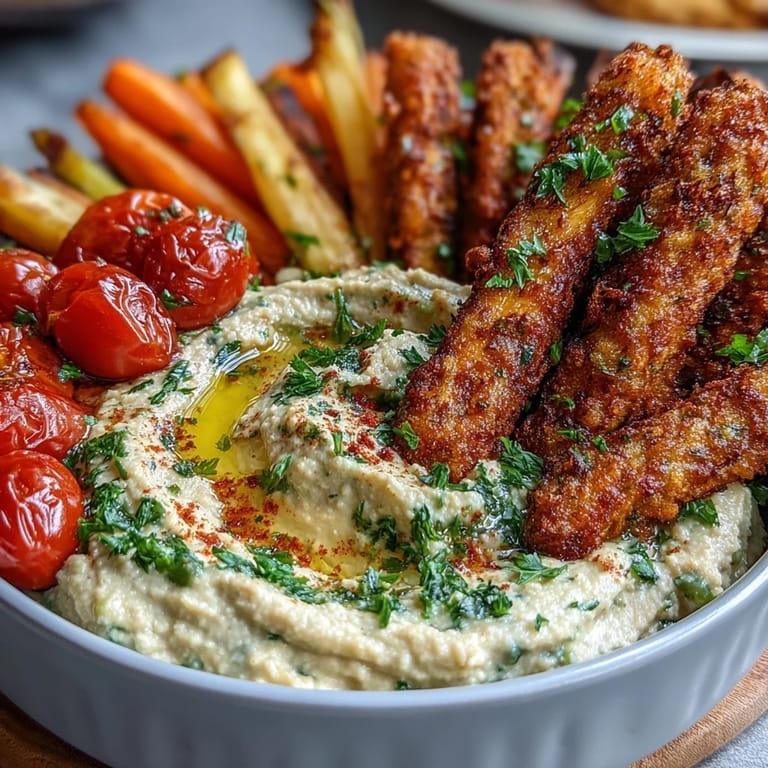 Save to Pinterest
 What I didn't expect was how these cups became a conversation starter. My sister brought them to her book club, and suddenly everyone wanted the recipe—not because it was complicated, but because it felt thoughtful and tasted genuinely good. Food that looks cared for gets eaten, and these little cups prove that sometimes the simplest efforts make the biggest impression.
Flavor Variations That Work
Plain hummus is wonderful, but I've discovered that a small sprinkle of paprika, a pinch of sumac, or a drizzle of good olive oil transforms these cups from simple to memorable. Zaatar is my current favorite because it adds earthiness without overpowering the fresh vegetables. You can also try mixing a tablespoon of tahini into the hummus for extra richness, or swirl in a little pesto if you're feeling adventurous.
Seasonal and Dietary Flexibility
Winter brings radishes and blanched green beans, spring offers baby asparagus and snap peas at their peak, and summer is all about heirloom tomatoes and crisp zucchini rounds. If someone at your table is avoiding dairy, these are naturally perfect; if you want to add protein, roasted chickpeas stirred into the hummus or scattered on top do the trick beautifully. I've even added small mozzarella balls for friends who aren't vegan, tucking them between the vegetable sticks like little edible surprises.
Packing and Transport Tips
The real magic of these cups happens when you pack them in the right containers—small mason jars with tight-fitting lids work best because they're durable and actually keep things fresh. I've learned to pack them on their side in a lunch bag if space is tight, and the hummus actually helps cushion the vegetables so nothing bruises. One last thing: if you're traveling more than a few hours, pack an ice pack directly against the cups because hummus can separate in heat, though it'll still taste fine, it won't look quite as pretty.
- Clear containers let you see what's inside, which makes people actually want to open and eat them.
- Label your cups with tape if you're bringing multiple to share, so people know if there are allergens like sesame.
- Pack a small fork or pick if the cups are heading to a place where fingers might not be welcome.
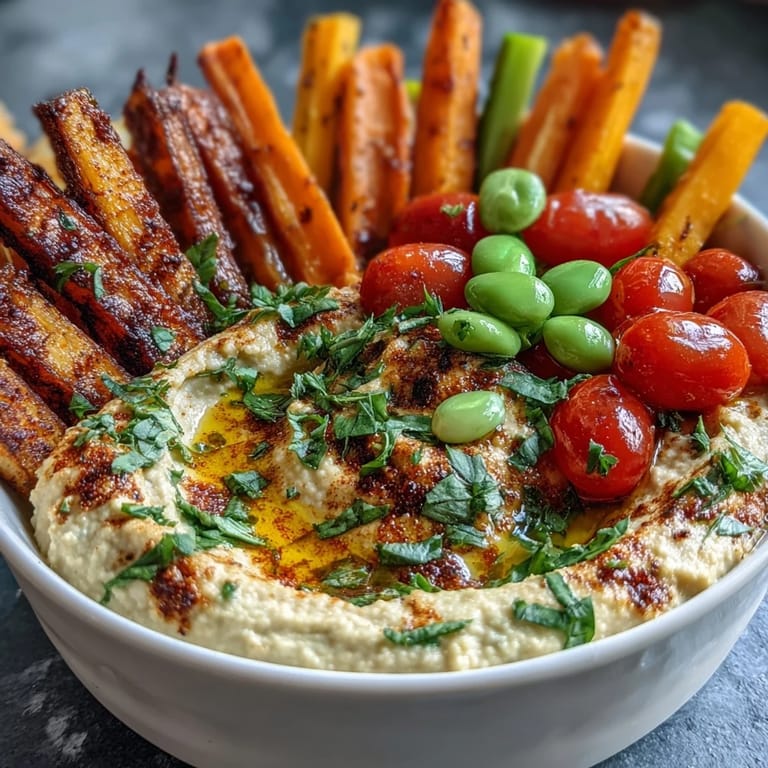 Save to Pinterest
 These snack cups have quietly become my answer to so many feeding moments—school lunches, road trips, unexpected guests, even my own afternoon hunger at three o'clock. They're proof that simple, thoughtful food rarely goes unappreciated.
Common Questions
- → What vegetables work best in these snack cups?
Crunchy veggies like carrots, cucumbers, bell peppers, snap peas, and cherry tomatoes provide a refreshing texture and complement the creamy hummus.
- → How can I keep the veggies fresh longer in the cups?
Store the assembled cups covered in the refrigerator and consume within two days to maintain crispness and flavor.
- → Are there suggestions for added flavors or textures?
Try sprinkling paprika, zaatar, or a drizzle of olive oil over the hummus. You can also swap or add veggies like blanched green beans or broccoli florets for variety.
- → Can I add protein to these snack cups?
Yes, incorporating baked tofu sticks or cheese cubes (if suitable) enhances protein content without altering ease of eating.
- → What tools are recommended for preparation?
A sharp knife, cutting board, and small lidded cups or jars make prepping and storing these snack cups simple and efficient.