 Save to Pinterest
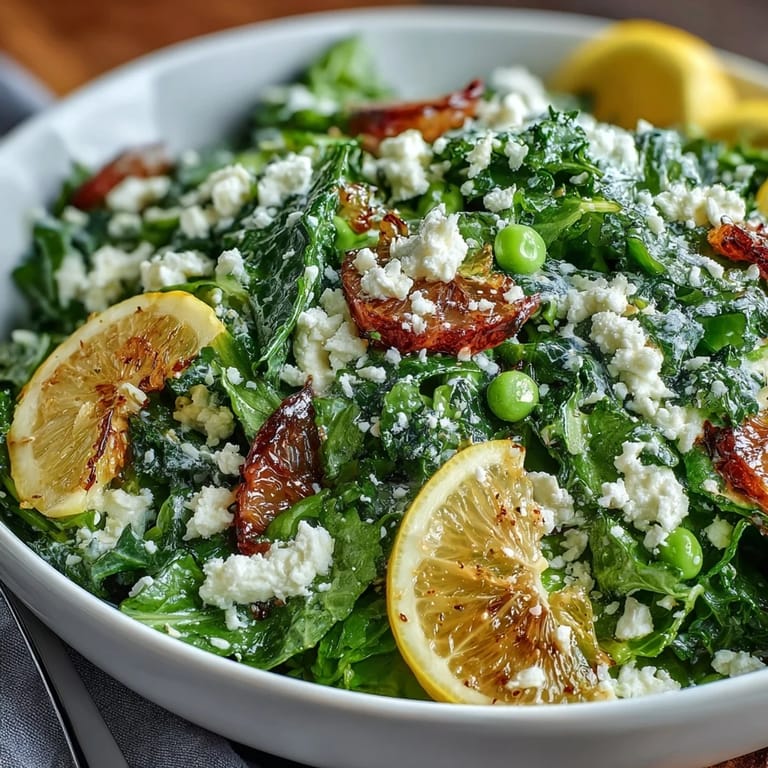
 There's something about the first warm afternoon of spring that makes you crave something bright and alive on your plate. I was at the farmers market last April, surrounded by vendors shouting about their fresh peas and radishes, when I grabbed a bunch of everything that looked dewy and crisp. Standing in my kitchen with a pile of these jewel-toned vegetables, I realized I didn't need anything complicated—just a whisking together of lemon and olive oil to let them sing. That simple moment turned into this salad, which I've made dozens of times since whenever I want to taste the season.
My neighbor knocked on my door one May evening asking if I had something vegetarian she could bring to a potluck, and I threw this together in her presence while we chatted. She came back the next week asking for the recipe, which meant everything—not because it's fancy, but because it felt like a conversation between us through food. Now whenever I make it, I think of how she always adds toasted almonds and how that simple addition changed the whole texture.
Ingredients
- Mixed spring greens: Arugula, baby spinach, and watercress create a peppery, tender base that doesn't wilt when you dress it.
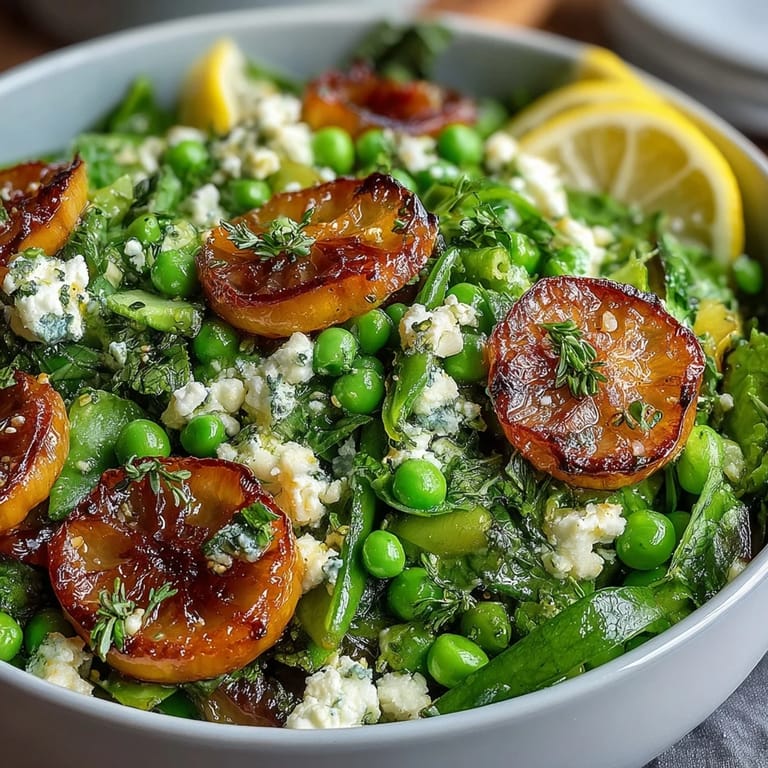
- Sugar snap peas: Slice them on the diagonal and they catch the vinaigrette in all the right ways while staying snappy.
- Fresh green peas: If you use frozen, thaw them completely and pat dry so they don't water down your salad.
- Radishes: Slice them thin enough to eat raw but thick enough to stay crisp; they're the surprise burst of peppery heat in every bite.
- Red onion: Just a whisper of it, sliced paper-thin so it softens slightly from the vinaigrette without overpowering.
- Extra virgin olive oil: Don't skimp here—this is where half your flavor comes from, and good oil makes all the difference.
- Fresh lemon juice: Squeeze it yourself if you can; bottled lemon juice will make the whole thing taste flat and tired.
- Lemon zest: This is the secret that makes people ask what you did differently—it adds brightness that juice alone can't deliver.
- Dijon mustard: A teaspoon acts as an emulsifier so your vinaigrette actually holds together instead of separating.
- Honey: Just enough to balance the acidity and bring out the natural sweetness of the peas.
- Sea salt and black pepper: Taste as you go; these flavors are meant to be prominent, not shy.
- Fresh chives: Chopped fine at the last moment so they stay bright green and tender.
- Feta cheese: Crumbled by hand if you have time; it adds a salty, creamy note that makes this feel less like diet food and more like something you actually want to eat.
Tired of Takeout? 🥡
Get 10 meals you can make faster than delivery arrives. Seriously.
One email. No spam. Unsubscribe anytime.
Instructions
- Gather and prep your vegetables:
- Wash your greens and pat them very dry—this takes an extra minute but changes everything. Slice your radishes thin on a mandoline if you have one, and trim those sugar snap peas with a sharp knife.
- Build your salad base:
- Toss the greens, both kinds of peas, radishes, and red onion together in a large bowl, being gentle so you don't bruise the delicate leaves. This is where you set the stage for everything else.
- Make the vinaigrette:
- In a small jar or bowl, whisk the olive oil, lemon juice, and zest together first, then add the mustard, honey, salt, and pepper. Keep whisking until it looks silky and emulsified, which takes about one minute of real attention.
- Dress with intention:
- Drizzle the vinaigrette over your salad and toss gently but thoroughly so every leaf gets coated. Don't be shy—use all of it.
- Finish and serve:
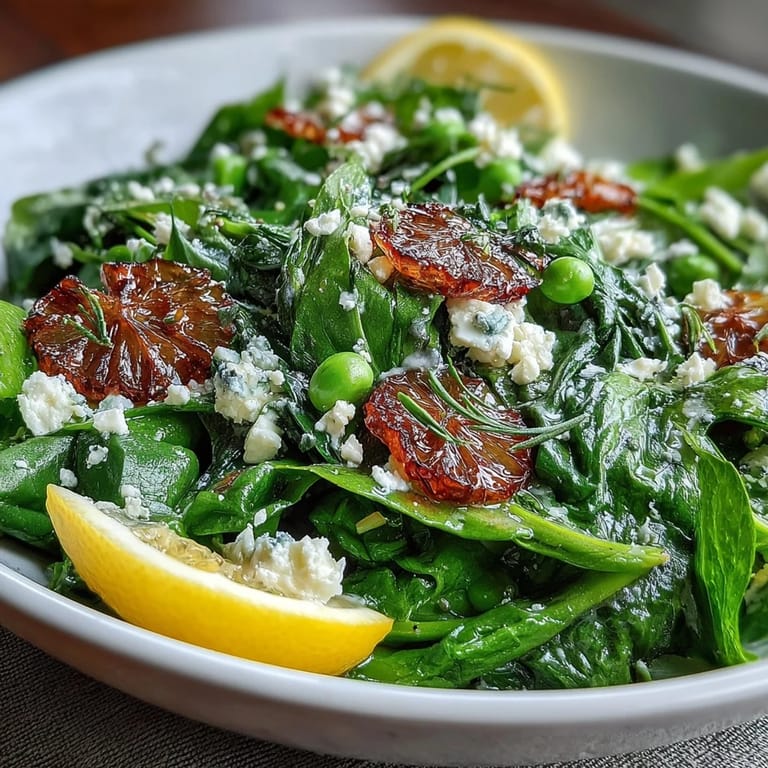
- Scatter chives and feta across the top right before you plate it, so they stay fresh and don't get lost in the mix. Eat it right away while everything is at its crispest.
 Save to Pinterest
 There was an afternoon when my daughter's friend came home from school and actually asked for seconds of salad, which in the world of picky eaters felt like winning the lottery. Watching her eat radishes like they were candy made me realize that sometimes the best cooking is just about letting good ingredients speak for themselves without fussing.
The Art of Raw Vegetable Preparation
Slicing vegetables for salad is one of those quiet skills that separates okay salads from ones people actually crave. Thinner radish slices soften slightly from the acid in the vinaigrette and become sweet rather than harsh. Sugar snap peas benefit from that diagonal cut because it exposes more surface area to the dressing, so every piece tastes intentional. Your knife matters here—a dull blade will bruise tender greens, while a sharp one glides through radishes like butter.
Emulsification as a Kitchen Superpower
The moment you whisk mustard into oil and lemon juice, something chemical and magical happens—they stop being separate puddles and become one silky whole. I learned this by accident one afternoon when I made vinaigrette the lazy way, dumping everything in at once, and it split immediately. Now I understand that this tiny moment of technique is what separates a dressing people actually want to eat from one that tastes like you just squeezed lemon on oil. Mustard contains emulsifiers that hold the mixture together, which is why a teaspoon matters even though it seems like nothing.
Seasonal Variations and What to Add
Spring salads are forgiving in the best way—you can swap greens based on what looks good at the market, and the salad still works. Summer calls for adding crispy chickpeas or sunflower seeds for crunch, while a handful of toasted almonds in spring feels warm and substantial. Some mornings I toss in shredded cucumber or snap beans, other times I layer grilled chicken on top for something more like dinner.
- Toasted sunflower seeds add crunch and nutty flavor without weighing the salad down.
- Crumbled goat cheese or ricotta salata work beautifully if you're out of feta or want something different.
- A soft-boiled egg on the side turns this into a complete meal that feels elegant for no extra effort.
 Save to Pinterest
 This salad has become my answer to the question of what to bring when I want to show up with something that tastes like care without looking like I spent all day cooking. It's spring on a plate, ready in the time it takes to have a real conversation with someone you're making it for.
Common Questions
- → What makes the vinaigrette flavorful?
The vinaigrette blends fresh lemon juice, zest, Dijon mustard, honey, and olive oil, creating a perfect balance of tangy and sweet flavors that complement the vegetables.
- → Can I use frozen peas in this salad?
Yes, thawed frozen green peas work well and add a fresh sweetness alongside the sugar snap peas and radishes.
- → What are good garnishes for this salad?
Freshly chopped chives add mild onion notes, while crumbled feta cheese provides creamy, salty contrast, though both can be omitted or substituted based on preference.
- → How can I add texture to this dish?
Incorporate toasted sunflower seeds or sliced almonds to introduce a satisfying crunch that complements the tender vegetables.
- → Is this salad suitable for vegans?
Yes, simply omit the feta cheese or replace it with a plant-based alternative to keep it vegan-friendly while maintaining flavor.